
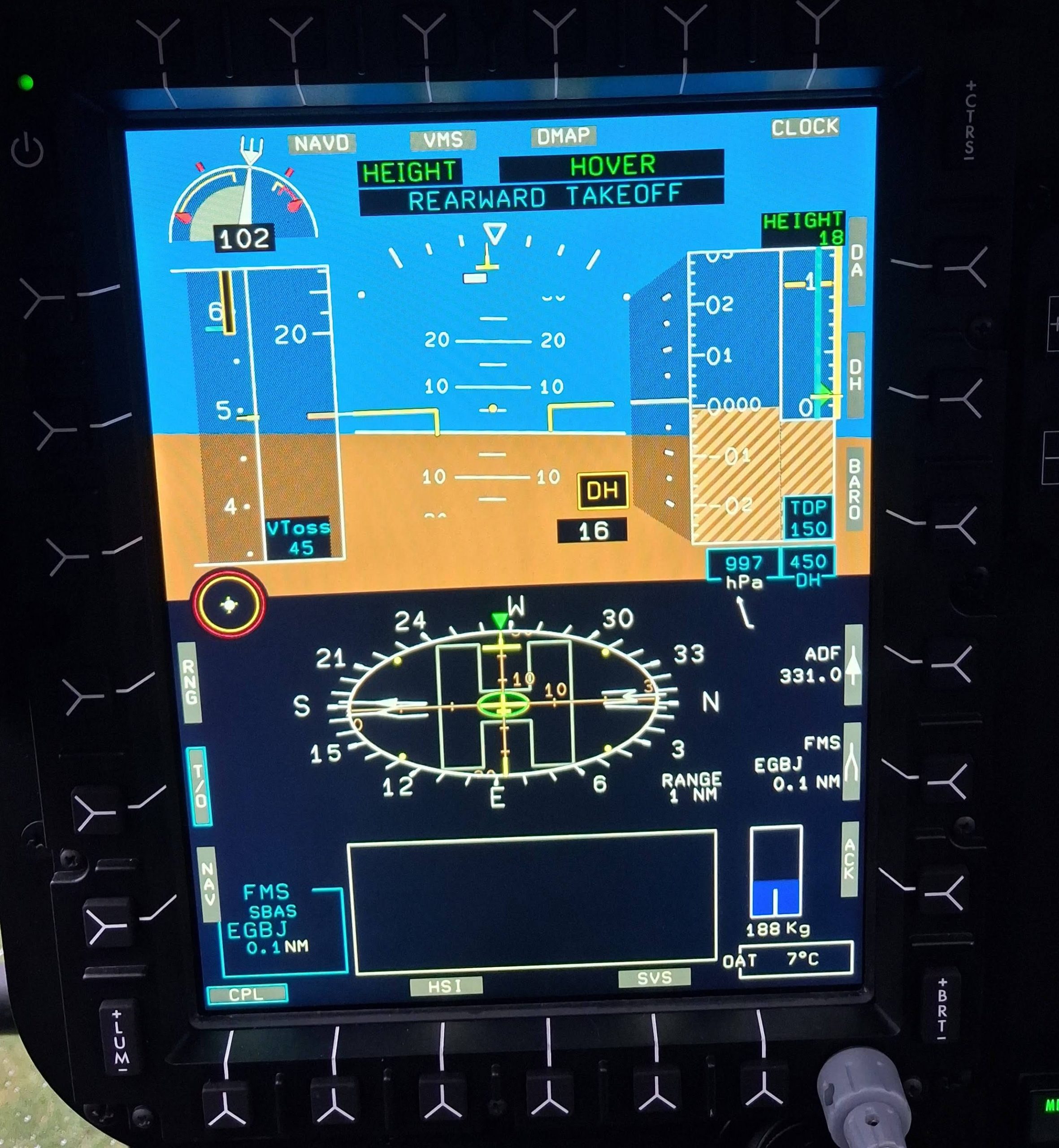
On most light twin helicopters an autopilot is either part of the basic equipment or is available as a manufacturer option. But are they created equal or has Airbus’ Helionix-based Automatic Flight Control System (AFCS) won the race? In this article, we look at the current state of play for light twin helicopter AFCS and look at how Airbus’ version stacks up against the competition.
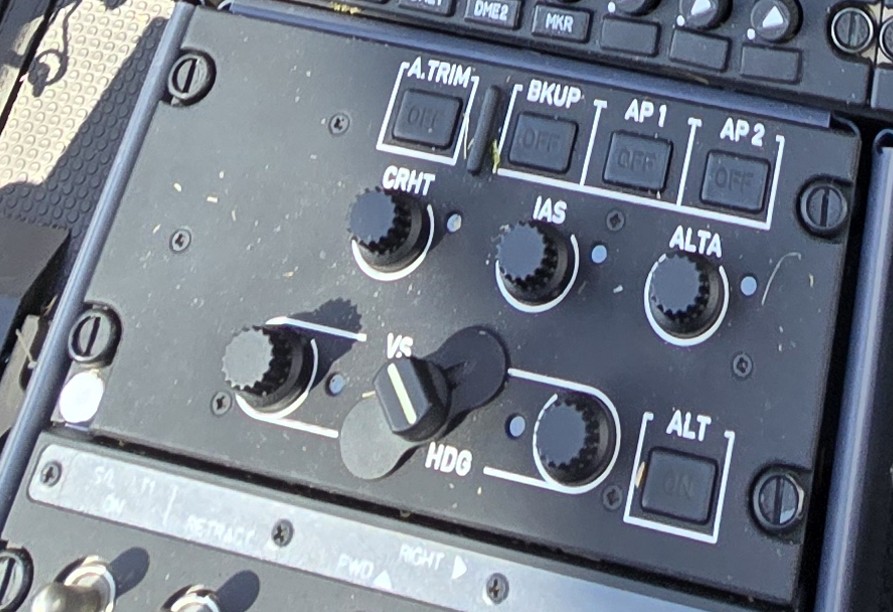
We will first look at why an operator might select a helicopter with an AFCS, even for VFR operations and what levels of AFCS are generally available, including a brief explanation of some common terms. Then we review what the regulations require. Then we will introduce a selection of light twin helicopters to serve as a basis for the comparison.
Let’s get stuck in.
Contents
Why would we want an AFCS?
The need for various options on a helicopter is heavily dependent on the role the helicopter is used for.
It’s all about the role
There is no point in equipping a basic R22 used for basic flight training with a sophisticated AFCS. It would add needless weight and complexity. But if we want to operate with a single pilot under Instrument Flight Rules (IFR) we might be compelled to have an AFCS with suitable modes to hold height and heading. Finally, a helicopter doing complex, precision tasks such as hoisting or powerline inspection might be much less of a handful for the pilot if it can hold a hover automatically.
Handling qualities
Another reason to have an AFCS is that the raw underlying airframe and flight control system does not provide suitable handling qualities. A basic Stability Augmentation System (SAS) might be needed to turn a helicopter with the handling qualities of an inebriated pigeon into a steely-eyed hawk. Even without adding any holds (airspeed, heading etc), a SAS might be enough to make a helicopter useable. Of course some machines require no SAS to deliver fine handling qualities (the EC120 Colibri is a good example) but most light twins do some augmentation.
Instrument Flying / Degraded Visual Conditions
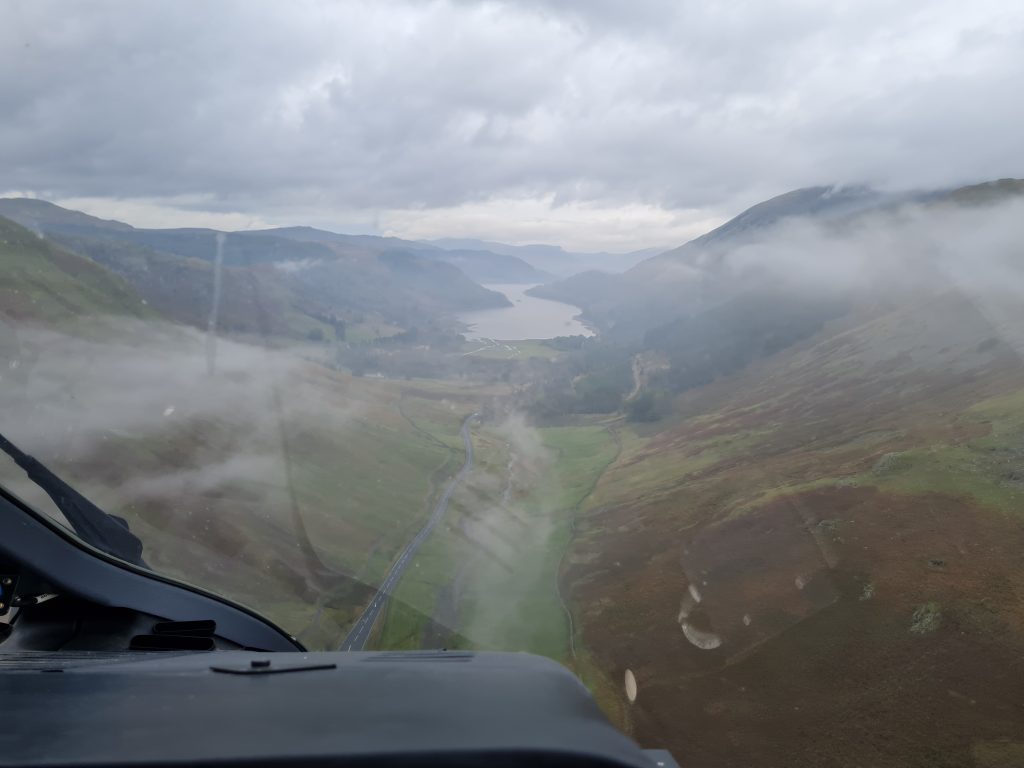
The reduction or loss of external references can be another compelling reason for fitment of a sophisticated AFCS. The goal of the designer is to make the act of IFR flight as low workload as possible for the pilot so they can grapple with the complexity of communications and interpretation of complex procedures.
The language of AFCS
Before we get into of comparison of AFCS, we need to define some terms and explain some jargon. We need to start with AFCS…
Common terms
- Automatic Flight Control System (AFCS) – An AFCS is an integrated system which takes in data from a variety of sensors and outputs inputs through actuators to provide various of stability and control augmentation for a pilot
- Autopilot – A part on AFCS that provides automatic control of various flight path parameters set by the pilot such as speed, altitude and routes.
- Levels of automation
- Un-stabilised – The raw helicopter. This may be perfectly flyable on a good weather day but there may be a high workload on the pilot and there may be significant cross-coupling between control axes. Sudden transition to an un-stabilised mode of flight can be catastrophic – see the loss of EC135 in Selkirk, Scotland
- Stability Augmentation System (SAS) – An AFCS mode which stabilises a control axis but does not attempt to hold a particular attitude, heading or height (also known as Stability and Control Augmentation System (SCAS))
- Attitude mode – A common AFCS mode which provides retention of an attitude (pitch/roll) or heading (yaw). There may be a function to adjust the attitude held by beeper trim or force trim release
- Upper Modes (UM) – Upper modes are the modes of an autopilot. These are broken down into:
- Basic Upper Mode – A mode which holds a particular parameter (eg airspeed) and allows adjustment of the parameter)
- Navigation Upper Mode – A mode which allows following of a horizontal and/or vertical path through the sky based on sensor information (eg VOR, GNSS)
- Approach Upper Mode – A mode which allows capture of sensor guidance for final approach (eg ILS, TACAN, GNSS)
- Low Speed Upper Mode – A mode used at low speed to provide capture and adjustment of position or groundspeed in lateral and/or vertical axes. These modes may allow a degree of control from the cabin
- Higher Order Upper Modes – A mode which allows automatic completion of complex tasks (eg a mode which automatically transitions from the hover to forward flight or back again)
- Control axis – A control axis is one of pitch cyclic, roll cyclic, collective and yaw
- 2-axis AFCS – A 2-axis AFCS controls the pitch and roll of the helicopter. The yaw and collective are controlled manually by the pilot.
- 3-axis AFCS – A 3-axis AFCS controls the pitch, roll and yaw of the helicopter. The pilot controls the collective. Also called a “2-cue” system in the USA
- 4-axis AFCS – A 4-axis AFCS controls the pitch, roll, yaw and collective of the helicopter. Also called a “3-cue” system in the USA
- Coupled – The AFCS is linked to the controls and is actively using the controls to achieve the requested commands
- Un-coupled – The AFCS is not linked to the controls. On some aircraft the AFCS may still generate cues (the Flight Director) to allow the pilot to manipulate the controls to achieve the AFCS commands
- Flight Director (FD) – Cues shown on the flight display which show where a particular control needs to be placed. On some helicopters this allows uncoupled flight with the AFCS generated control position visual cues, but the pilot actually moves the controls to follow these cues
- AFCS Bug – A marker on the flight display showing what a particular AFCS’ modes datum is (eg a marker on the airspeed display showing the currently selected speed datum)
- Hands-off – The pilot is in a relaxed position but their hands and feet are not in close proximity to the controls
- Hands-off attentive – The pilot is closely following the movement of the controls, but the AFCS is controlling them
- Hands-on – The pilot is actively manipulating or controlling a particular control. An upper mode may also be engaged.
- Fly-through – The ability of a pilot to take temporary control of a control axis when the AFCS is providing some function in that axis. Called “Out of detent” by some manufacturers
- Force trim system – A system which provides artificial feel (spring-feel) in a control axis and possibly the capability to fully release (force trim release) or adjust (beeper trim) the force feel system
- Follow Up Trim – A system which automatically re-trims the aircraft to provide a trimmed position without pilot input. This might be available just in low speed flight or across the whole flight envelope
- Attitude Heading Reference System (AHRS) – Provides attitudes, rates, accelerations and magnetic heading data to the AFCS. Can use a variety of technologies to provide the data (eg Fibre Optic Gyros (FOG), Micro-Electro-Mechanical Systems (MEMS))
- Air Data Computer (ADC) – Takes air pressure and temperature data for various sensors (eg pitots, static ports, Total Air Temperature sensors) to provide air data to the AFCS.
- Air Data Attitude Heading Reference System (ADAHRS) – Combination of AHRS and ADC.
Ok we now speak AFCS. What do the regulations say we have to have?
Regulatory requirement
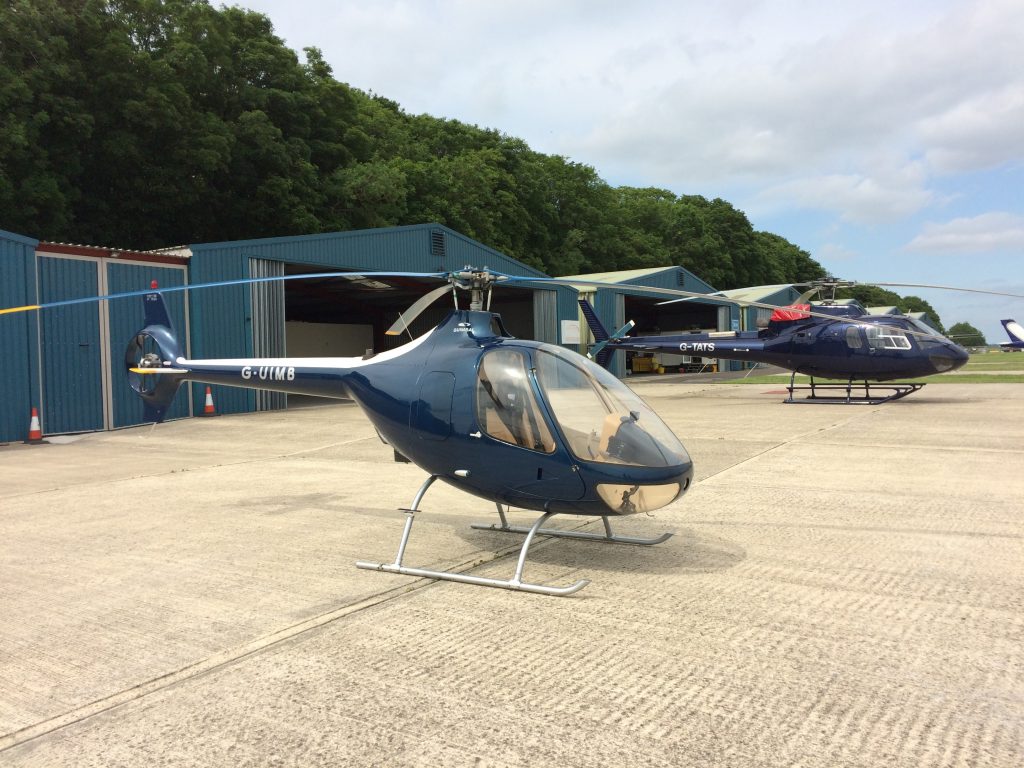
The design requirements for helicopters are contained in the Certification Specifications (CS-27 / FAR 27 (up to 3175 kg), CS-29 / FAR 29 for heavier helicopters)) . This includes requirements for handling qualities. This will dictate the minimum acceptable stability requirements. Some helicopters require no artificial augmentation to reach the required handling criteria (eg the Cabri G2) but in the light twin world, there is generally a need for some stability augmentation, even for basic VFR flying.
In addition, in the operational requirements, such as Regulation 965/2012, the Instruments, Data and Equipment (IDE) sections dictate that for single pilot IFR operations, an autopilot must be fitted to the helicopter with at least a heading and an altitude mode (see NCO.IDE.H.126 as an example.)
Light Twin Helicopters
Now you speak AFCS and we know what we have to have, we can introduce our stable of light twin helicopters we are going to use for our comparison.
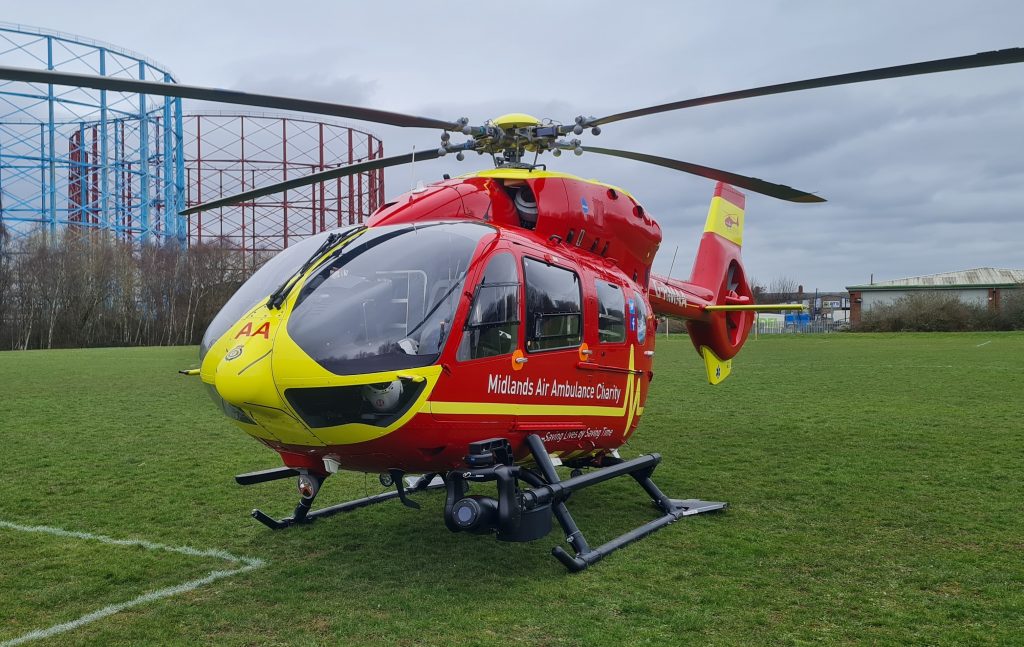
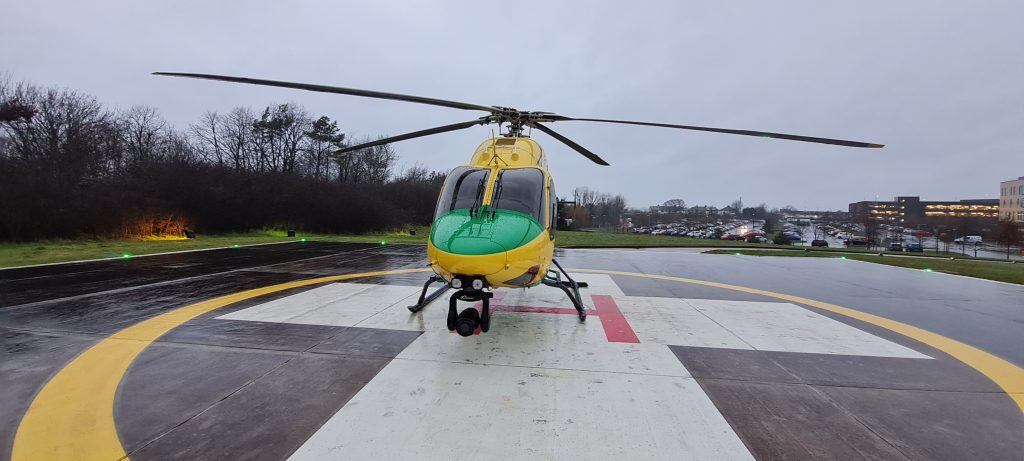
Airbus Helicopters H145 D3 / H135 T3/P3 H / H140
For the purposes of this article, all the Airbus helicopters are grouped together as they share a common AFCS which is hosted on the integrated avionics system Helionix. Whilst the developmental path of each aircraft has been different through incremental upgrades, Airbus are now working to align the versions in the next update. This update is also mandatory as a fault was found in an earlier versions which could lead to all Multi-Functional Displays (MFD) failing at the same time. For purpose of this article, we will focus on H145 Helionix V10 and H135 Helionix V11. The H140 is assumed to have similar software.
Leonardo Helicopters AW109SP
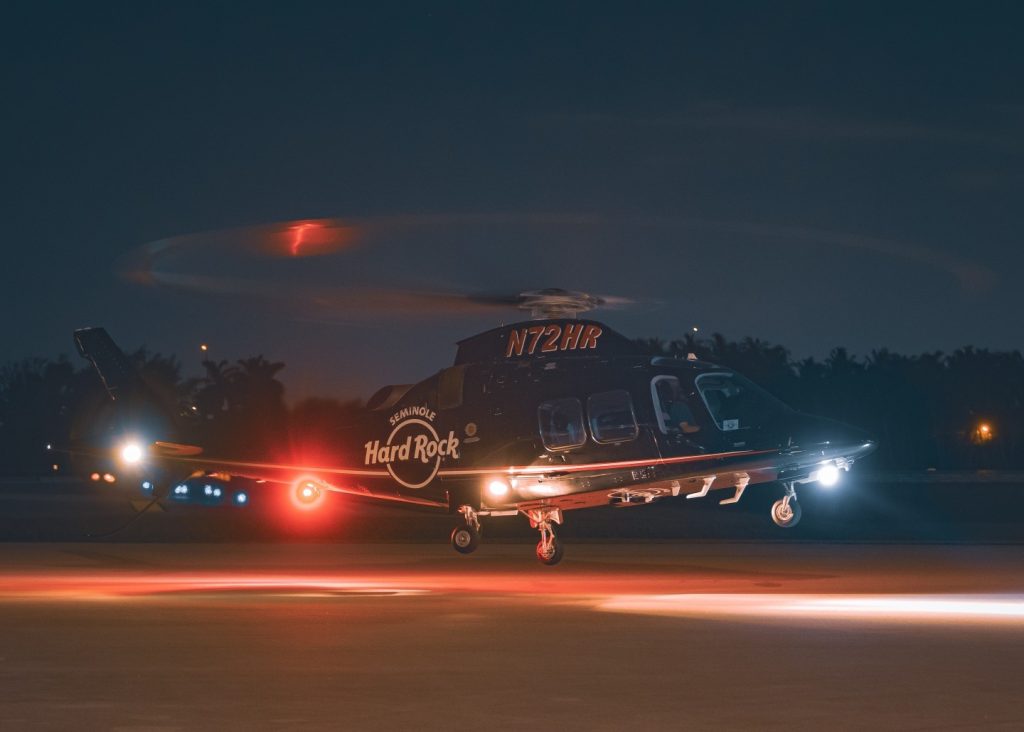
The AW109SP is the latest upgrade in the A109 series of helicopters. The comparison focuses on the 4-axis in this variant and excludes all earlier A109 and AW109 variants.
Leonardo Helicopters AW169
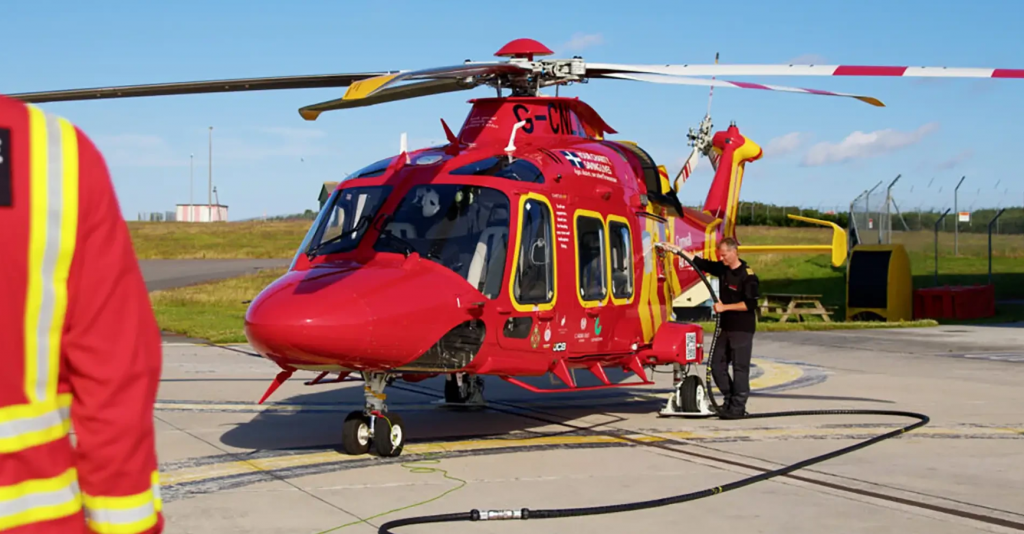
The AW169 was a new design with a family concept commonality with the AW189 and to a certain degree the AW139. The software load (Phase) of the avionics makes a major difference to the functionality of the AFCS. In this article, Phase 8 is used as a basis for the comparison.
Bell Helicopters 429
The Bell 429 is a clean sheet design for Bell and is not a incremental development of the Bell 427. The AFCS is available in 2 major options: a 3-axis system and a 4-axis system. The functionality of the AFCS has some minor differences dependent on whether the original Rogerson Kratos MFD or later Astronautics MFD are fitted. In this article the focus is on the 4-axis AFCS.
AFCS Comparison
The Role
For the purposes of comparison of AFCS, it is not enough to simply put the aircraft up against each other. There has to be a role in mind. As a certain section of the helicopter community are delighted to say, “The answer is a Chinook, what was the question?”. However, a Chinook is definitely not the right answer for some roles. Given our selection of helicopters, one of the most challenging roles is Helicopter Emergency Medical Service (HEMS), where crews have a life-saving role and need to operate day and night in difficult weather conditions.
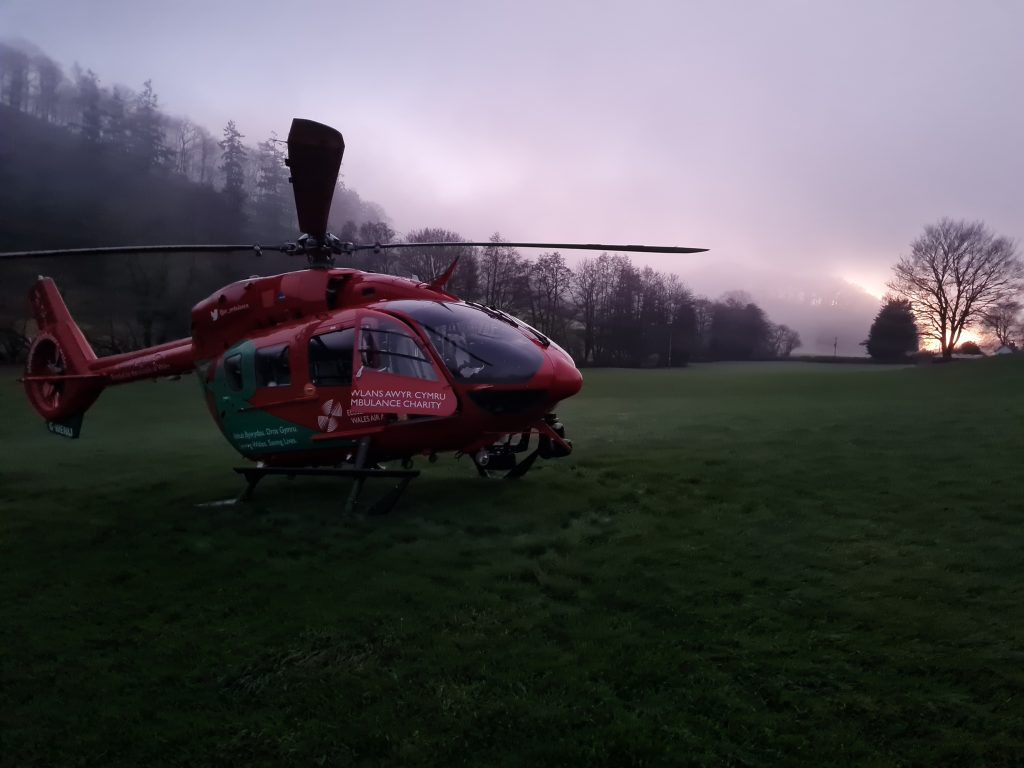
With this in mind, the role selected for this comparison is HEMS.
Helionix Features
The Helionix avionics suite was first introduced on H145 D2 and has been incrementally developed and rolled out onto H135, H145, H160 and H175; it is also going to be installed on H140. To explore if the Helionix AFCS is the system to beat, we are going to look at some of it’s features and see how the rest of the hangar compare.
- Default mode
- Follow Up Trim
- Hands On Cyclic and Collective
- Recovery Function
- Backup SAS
- Ground Trajectory Control (GTC) / Hover mode
- Track / Flight Path Angle (FPA) hold
- Pre-selectable datums
- Flight envelope protections
- Commonality
- Upgrades
- Automated take offs
Default mode
On initial start the default flight control mode on Helionix is Attitude Hold (with Follow Up Trim (see later)). On AW109/AW169 the default mode is also Attitude Hold although without Follow Up Trim. Attitude retention is a good starting point for precise position control and further layers of augmentation.
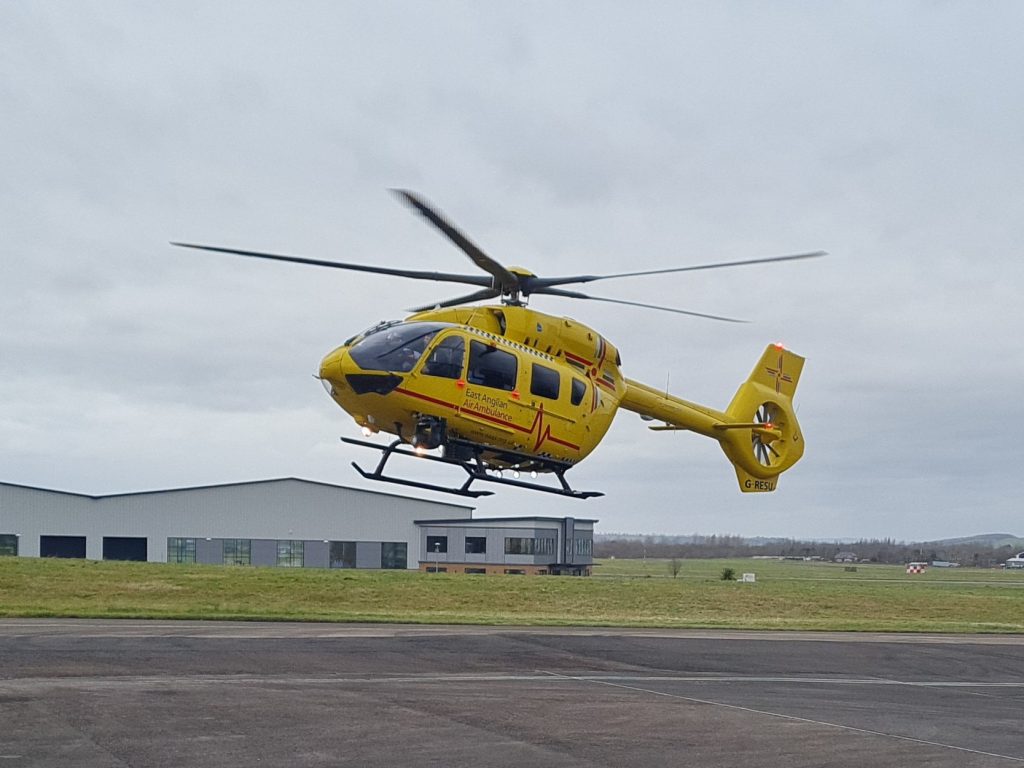
The odd one out is Bell 429. The default mode is SCAS which has no attitude retention or capability to be upgraded to a higher AFCS function without specific pilot input. Should the pilot try to engage an Upper Mode from SCAS, the system works as uncoupled Flight Director which is not ideal in a helicopter used in marginal VFR conditions where an instrument abort manoeuvre may be needed.
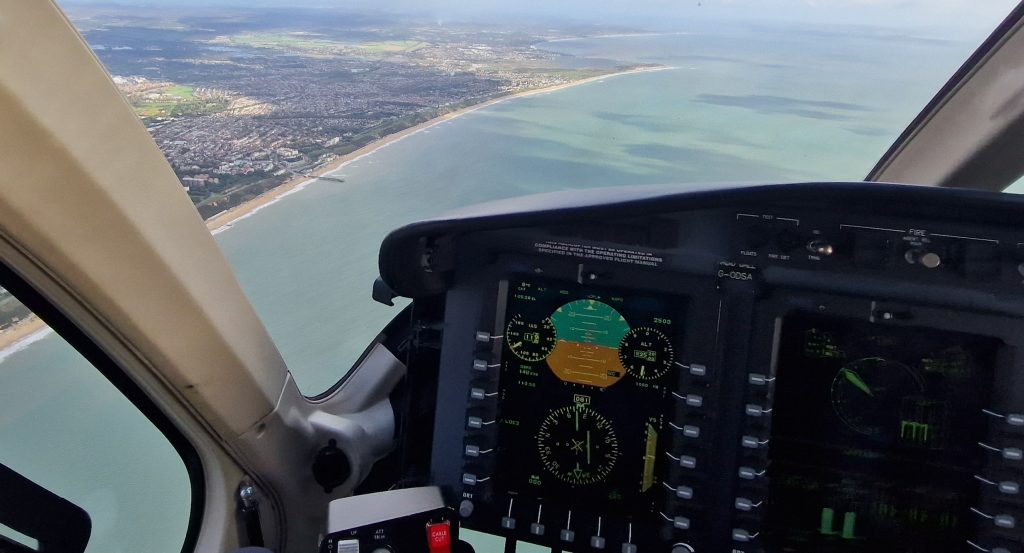
The Bell 429 SCAS mode is suitable for VFR flying but requires the pilot to make a switch selection before attitude hold is available and similarly another switch selection for visual manoeuvring. The Airbus approach adopted for the default mode is far superior for the HEMS role.
Follow Up Trim
For the HEMS role, there is often a need to manoeuvre the helicopter in the low speed environment for aerial surveys, movement inside confined areas and for transitions to and from the hover. This is one of the highest workload parts of visual flight. With that in mind, being able to trim the aircraft accurately is very important. With Helionix and early AFCS iterations, Airbus followed a different to most other manufacturers – Follow Up Trim.
In simple terms, Follow Up Trim re-trims the aircraft over time after a pilot manipulates the controls to put the aircraft in a new position. For example, if the pilot starts with the aircraft in trim pointing into wind then does a spot turn onto downwind. The aircraft trim will slowly adjust to reflect the new control positions as the pilot settles on the new heading.
In practice it means the pilot does not touch either force trim release or beeper trim at all in the low speed environment. The trimming all happens below the pilots perception and the aircraft feels “planted”. It does have to be disengaged for sloping ground operations but otherwise it is always there.
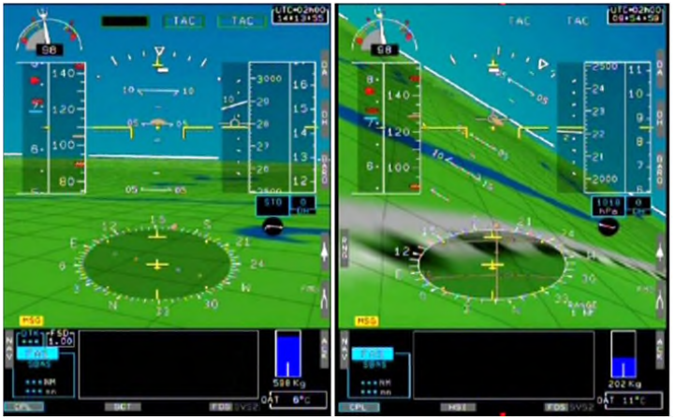
Airbus have also recently taken this trim function beyond the low speed environment. With the optional TAC mode, Follow Up Trim can be used throughout the flight envelope. This makes for very carefree handling and becomes many pilots favourite way to fly when manoeuvring visually.
On all the other types listed, there is nothing equivalent available. In each case, the pilot must trim using either force trim release or beeper trim. In every case the beeper trim tends to be too slow to initiate any manoeuvre leading to use of the force trim release. Trimming with force trim release can lead to stick jumps as stick force is removed (although on AW109 the stick forces are reduced when flying at low speed to reduce this tendency).
Again, Follow Up Trim sets the standard for how a helicopter should be controlled at low speed in HEMS.
Hands On Cyclic and Collective
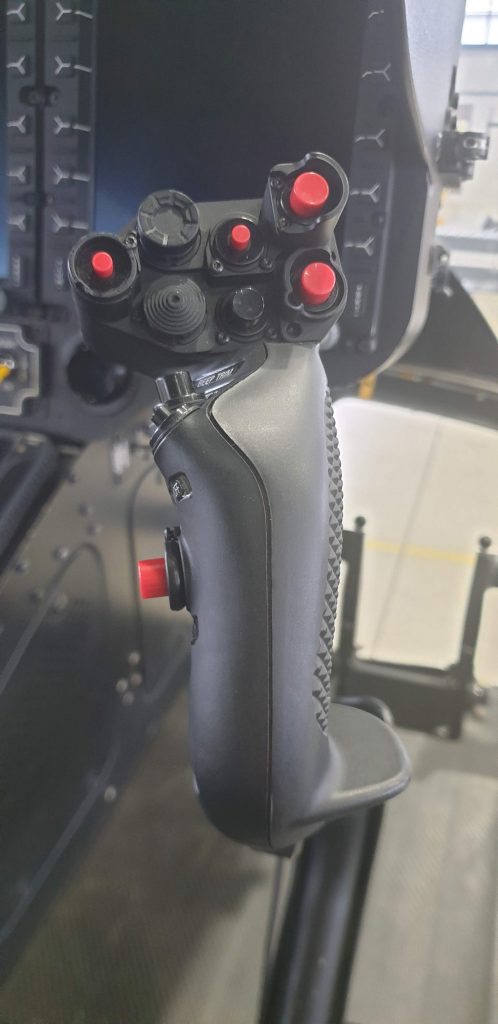
For the Helionix AFCS, many commonly used functions are available directly on the pilot’s flight controls, removing the need to release a control to activate them. Of particular note here are the Recovery Function and GTC/Hover modes (see later). For a typical HEMS flight leg, a pilot could setup an automated departure on the ground including transit altitude and cruise speed (see our previous article here about automated take offs) and then just use controls on the cyclic and collective to achieve a fully coupled transit to a HEMS site (using GA/Recovery Function then beeper trim) before letting down in TAC or GTC modes for landing.
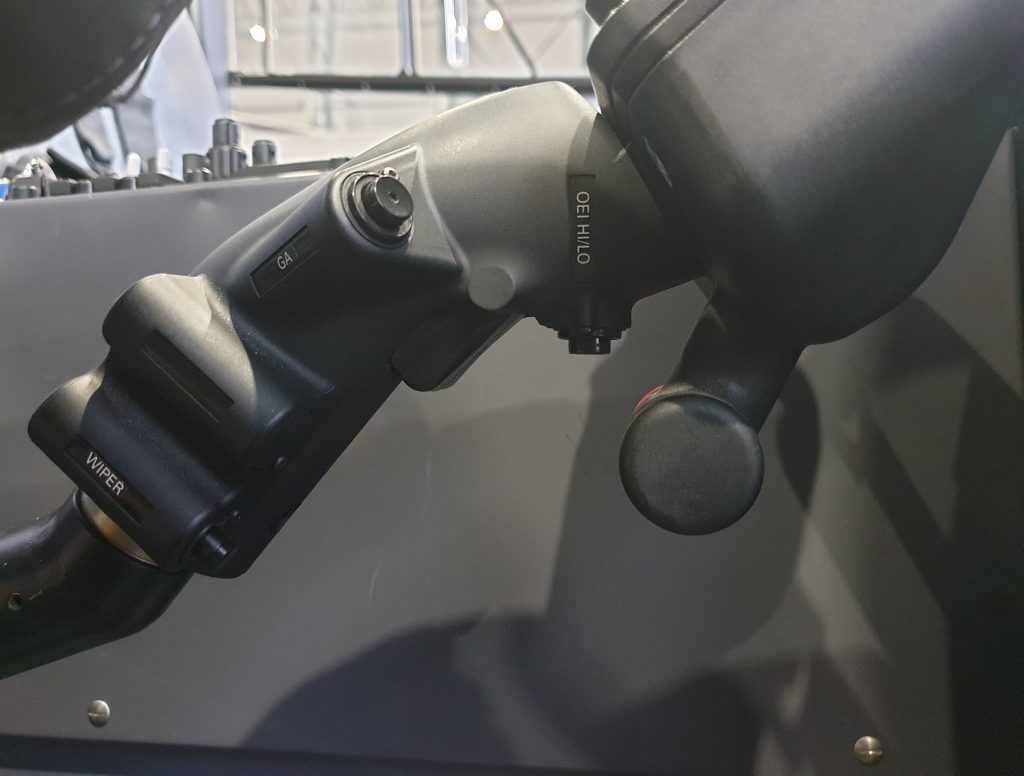
None of the other machines have such a comprehensive one-touch AFCS engagement mode like the Recovery Function or Go Around function which we discuss later. The pilot on a Bell 429 cannot even adjust the heading mode with their hands on the controls let alone initiate a recovery mode. These combined Helionix modes engage appropriate modes in each axis for typical flight functions and can be customised to the scenario (we look at pre-setting targets datums later).
Should the pilot need to make other adjustments, the AFCS controls on the centre console on Helionix are dedicated buttons/knobs which include the means to engage them (eg twist knob to set datum then press to engage the mode). This minimises time off the controls.
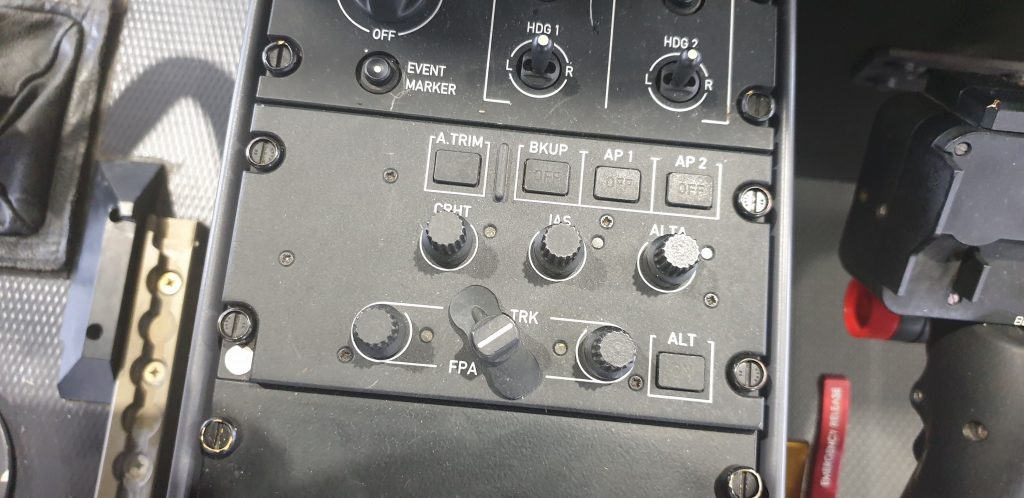
On Bell 429, the pilot may have to do a lot more. Take an altitude change for example (called Altitude Select or ALT S). For a task that is “Twist – Press” on Helionix ALT.A mode, the following is needed on Bell 429:
- Select ALT S mode on Display Unit
- Adjust target of ALT S on Display Unit
- Accept ALT S change on Display Unit
- Engage ALT S mode on CHFD panel on centre console
- Adjust VS mode datum using beeper trim to initiate climb or descent
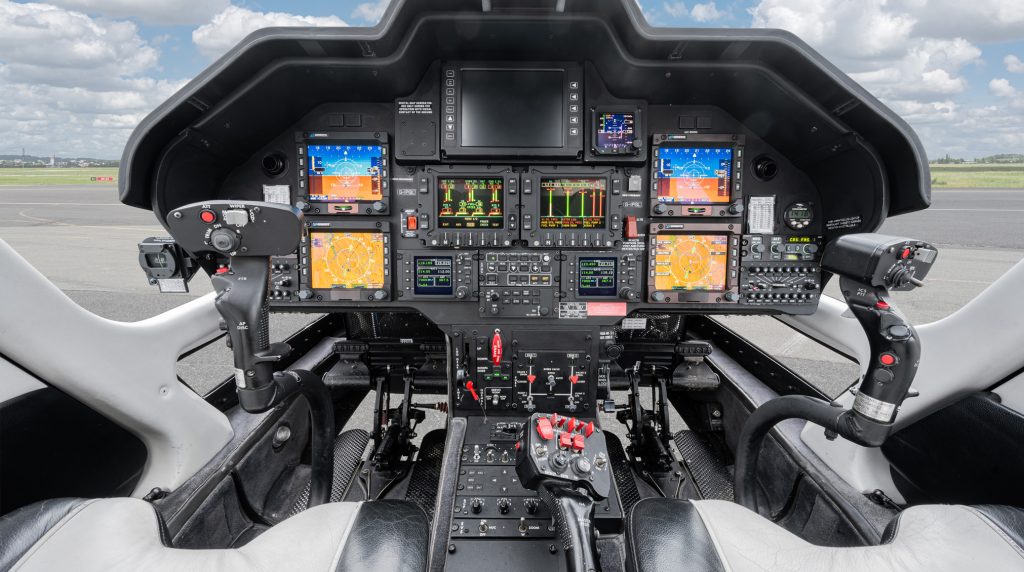
The process on AW109/AW169 for an ALT A altitude change is similar to Helionix, although on AW109 the pilot needs to set the target altitude on the Remote Bug Panel and then engage the mode on the central Autopilot Mode Select panel.
Helionix’s AFCS integration with the flight controls and simplification of input is the one to beat here. Workload using Helionix for the pilot flying is very low in HEMS.
Recovery Function
With a comprehensive AFCS and operation in degraded visual conditions, there is a chance the pilot will become disoriented. Having a simple method to achieve straight and level flight at constant speed is very useful. As already mentioned, having that capability available without moving the pilot hands from the controls is extremely useful.
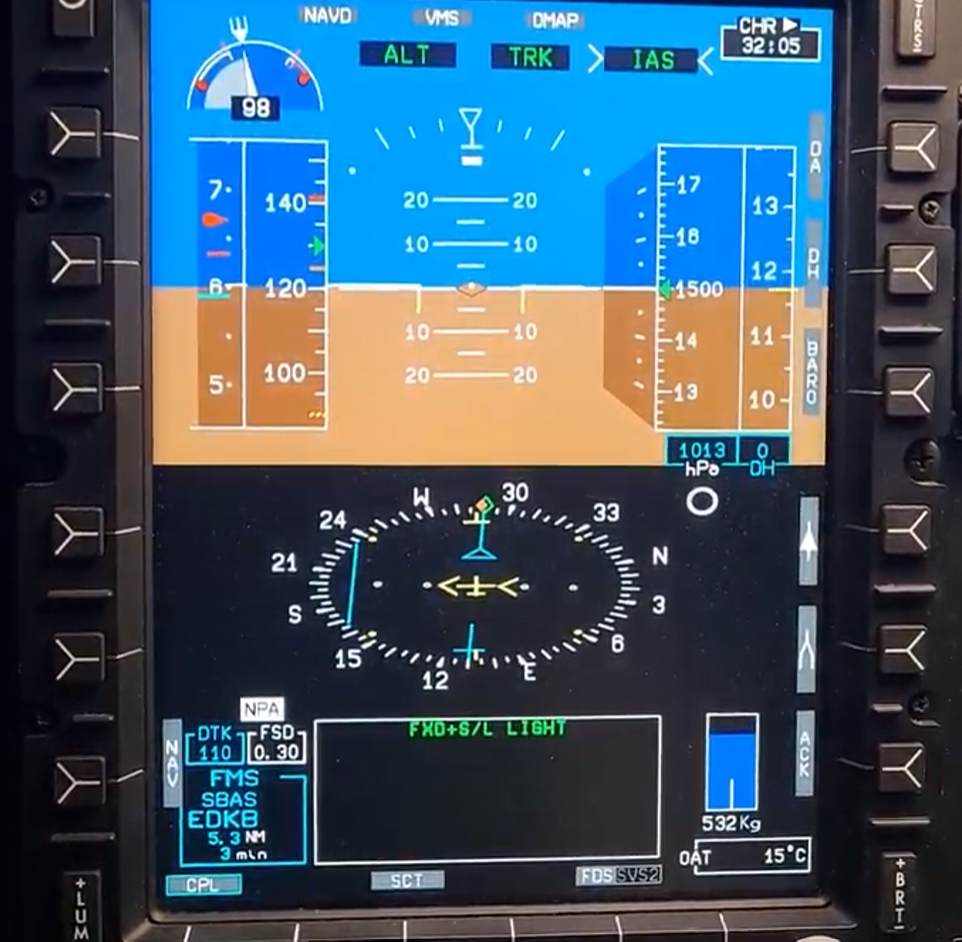
On Helionix, a double push up on the AP select switch on the cyclic engages the Recovery Function. This captures and engages airspeed, heading/track and altitude hold modes at the current parameters. In a recent update (software v10+) it will not capture airspeed below 30 kts to allow the pilot to stabilise and adopt a suitable datum once back the right way up.
The mode sounds like a great way to deal with an Unusual Attitude (UA) or upset. However, the Recovery Function is not omnipotent and the recommended technique is to get the aircraft roughly the right way up before engaging. The Recovery Function is useable from any AFCS state (even OFF) and is typically used to just change from manual up to fully coupled flight on reaching cruise altitude.
The Bell 429 does not have a similar function on the controls, although engaging the Flight Director will couple airspeed, heading and vertical speed. This is a hands off controls action though. Both the AW109 and AW169 have a wings level function but as the name suggests, it is a little more basic than the Recovery Function.
Recovery Function is an easy win for Helionix, particularly for low level NVIS operations in HEMS where disorientation can occur.
Backup SAS
Sometimes your luck is out. The Flight Control Computer or displays might be having a bad day and the autopilot has disengaged. As has occurred on several types, a drop to totally unstabilised flight can make an aircraft into quite a handful for the pilot, even leading to complete loss of control
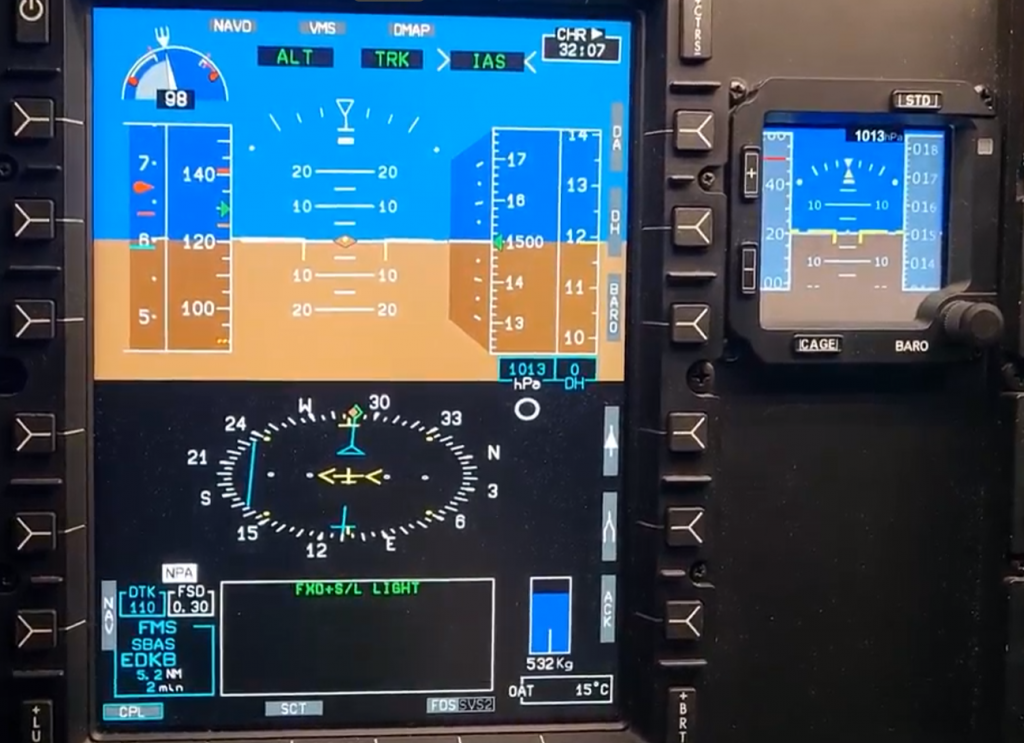
On Helionix, a loss of the main autopilots is mitigated by a fully independent SAS system being available, controlled entirely by the standby artificial horizon and some of the series actuators. The aircraft maintains good visual handling characteristics with a severely degraded aircraft. This can also be selected by the pilot using controls on the cyclic if needed.
Whilst the Bell 429, AW109 and AW169 have reversionary and degraded flight control modes, they all rely on the same hardware as the full AFCS. Should these systems fail entirely, there is no safety net of an independent backup mode underneath. A complete failure of the AFCS is very unlikely but nevertheless for a HEMS operation, having this backup ready in the background is very re-assuring.
Ground Trajectory Control (GTC) / Hover mode
On Helionix, GTC captures and holds a velocity in three dimensions (horizontal groundspeed and vertical descent angle. Hover mode captures and maintains a position in three dimensions. In each case the datums can be adjusted using beeper trims or by flying through the modes (overriding) to reach a new velocity or position respectively. Each mode can be selected from a button on the cyclic. GTC is excellent for achieving a consistent flight path into confined sites and hover mode is exceptional at holding a position with very light workload for the pilot. Each mode has high utility in many HEMS scenarios. Some operators even use Hover to perch above a landing site for a survey of the site before landing.
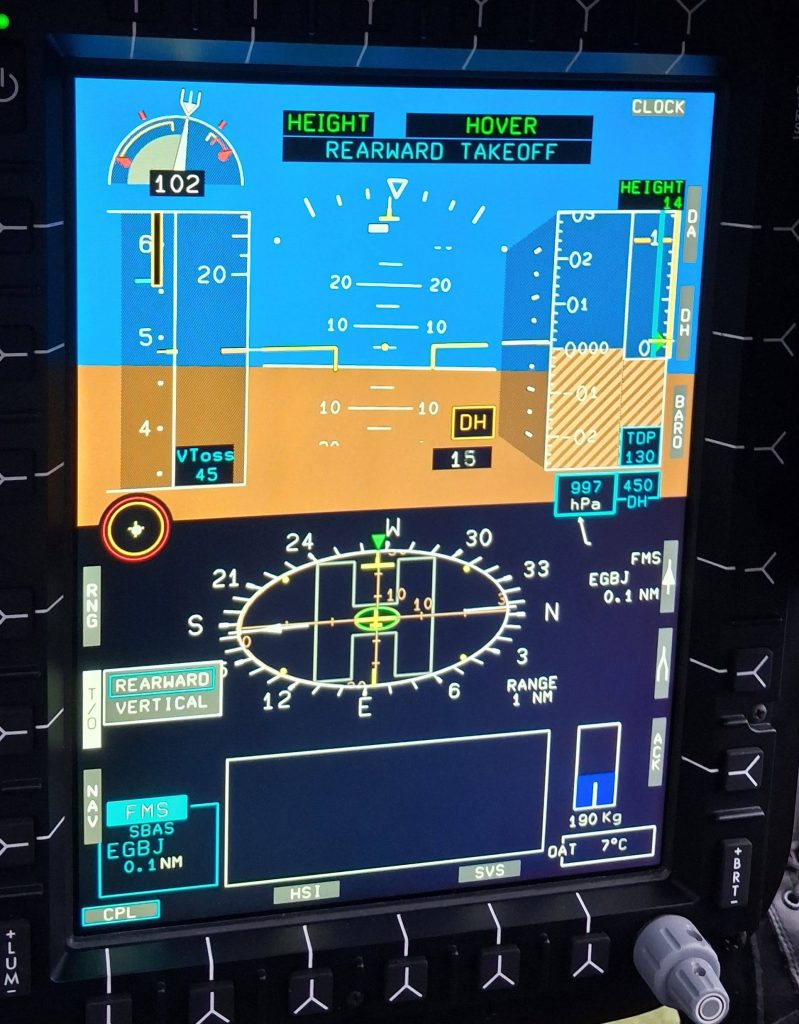
The Bell 429 again lags the pack here as hover modes are only available with a specific upgrade package and extra low speed sensor. The AW109SP has a hover mode which transitions into a groundspeed hold with pilot beep input. It can be engaged from the cyclic but is limited to use below 300 ft above ground whereas Helionix has no restricted (making it particularly suited for Police operations). The AW169 hover mode and groundspeed modes are similar to Helionix but engaged via the control panel rather than through the flight controls.
Track / Flight Path Angle (FPA) hold
Due to the wind, it is very rare for pilots to want to hold a heading. As anyone going through an instrument rating will tell you, having a system which shows your track along the ground makes following radials very easy.
Airbus have taken this a step further on Helionix by providing a track hold function. This is linked to the vertical Flight Path Angle mode and requires GNSS aiding to accomplish. Once shown this mode, Helionix pilots typically use the track hold function is all operations. The only exception is for radar headings given by ATC. Holding a track is simply the way navigation and flight tasks are done and any HEMS task is easier. Incidentally, the Helionix system seamlessly moves to a heading hold in the very low speed envelope when track data becomes unreliable.
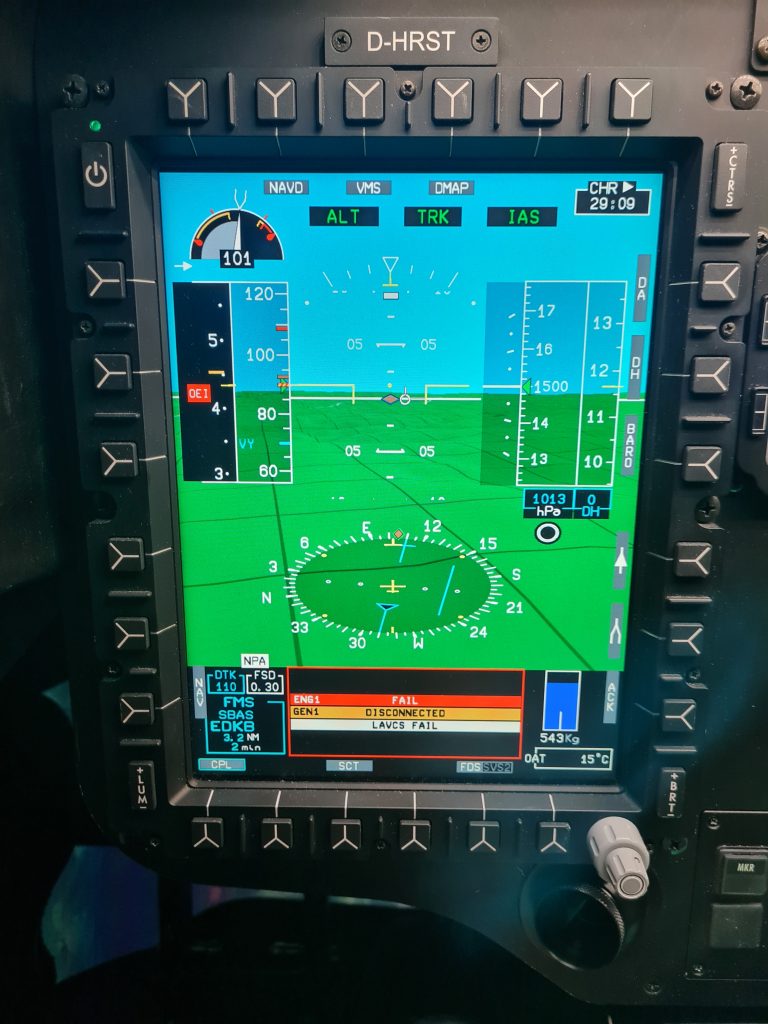
On AW109 and AW169 no track mode is available. On Bell 429, a track hold mode was added in a recent update to the AFCS software but it requires considerable pilot workload to use and is not cleared for IFR operations (where Track mode really shines on Helionix). The display of the aircraft’s track only recently became available on all screens on Bell 429 with the introduction of Astronautics Display Units which may be why the system is lagging behind Airbus.
Pre-selectable datums
There are many tasks in helicopter operations where a pilot knows a speed, altitude or track where they want to get to (eg an IFR departure or a departure from scene on track to hospital). It is really helpful if these parameters can be setup before use then automatically captured. In the Helionix system this is available across all basic parameters including:
- Airspeed
- Altitude
- Track or Heading
This functionality is fully integrated with the Go-Around mode. A pilot could set cruise parameters of 120 kts, 3000 ft altitude and a track of 040. When the pilot presses the Go-Around button, either following an automated take off, from forward flight or from the hover, the aircraft will smoothly transition and achieve those parameters. This is also possible from an instrument approach and as an added bonus will capture and follow a pre-programmed missed approach procedure if the pilot sets it up.
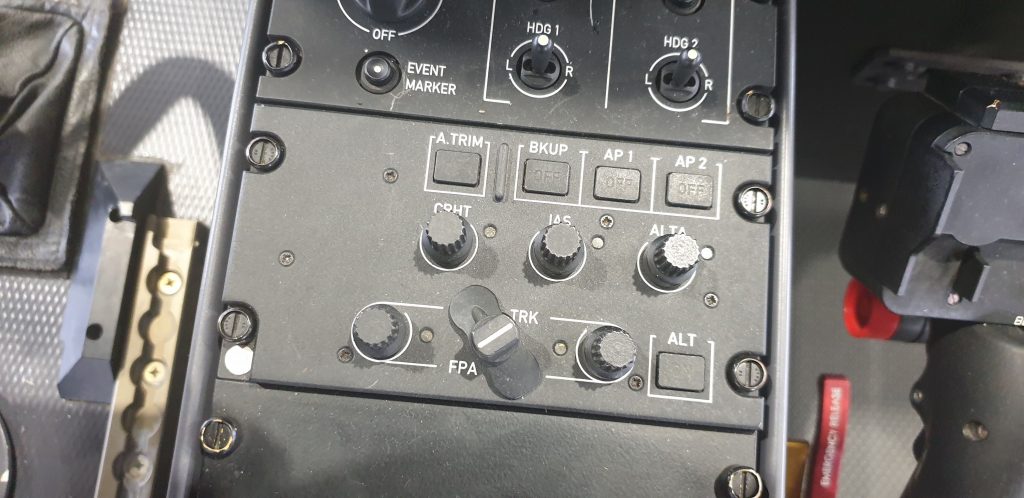
On all the other aircraft, the Go-Around mode captures a fixed set of parameters for airspeed, the current heading and a fixed rate of climb. The AW109/AW169 also capture a radar altitude (eg 200 ft) which is highly unlikely to be appropriate IFR. The pilot has to engage Go-Around then modify the modes to achieve the desired result. Some pre-selection is possible (eg ALT A on AW109/AW169 and ALT S on Bell 429) but they are not linked in to the Go-Around.
On Helionix, the results of a Go-Around can be set minutes by pre-selection before allowing for a relaxing climb to a selected altitude. There is no competition here.
Flight envelope protections
There have been some hard lessons in helicopter aviation about the possibility of AFCS modes to put the aircraft in an undesired state due to pilot mis-understanding. The loss of G-WNSB on approach to Sumburgh in 2013 is a example of this.
Helionix is complex. However, it incorporates many protections to ensure a pilot is let likely to full fully-coupled into trouble. A couple of examples are:
- Vortex ring protection – The programmed vertical descent rate of the aircraft in coupled flight is automatically reduced as the aircraft gets slower. It is not simply that the mode decouples if it exceeds a certain envelope but rather it automatically adjusts datums to steer clear of vortex ring
- Mode prioritisation – Helionix includes logic to prioritise modes in certain conditions of flight. For example at high forward speed, airspeed is automatically sacrificed (down to VY) to achieve a set altitude or rate of climb. This is particularly useful for rapid climbs.
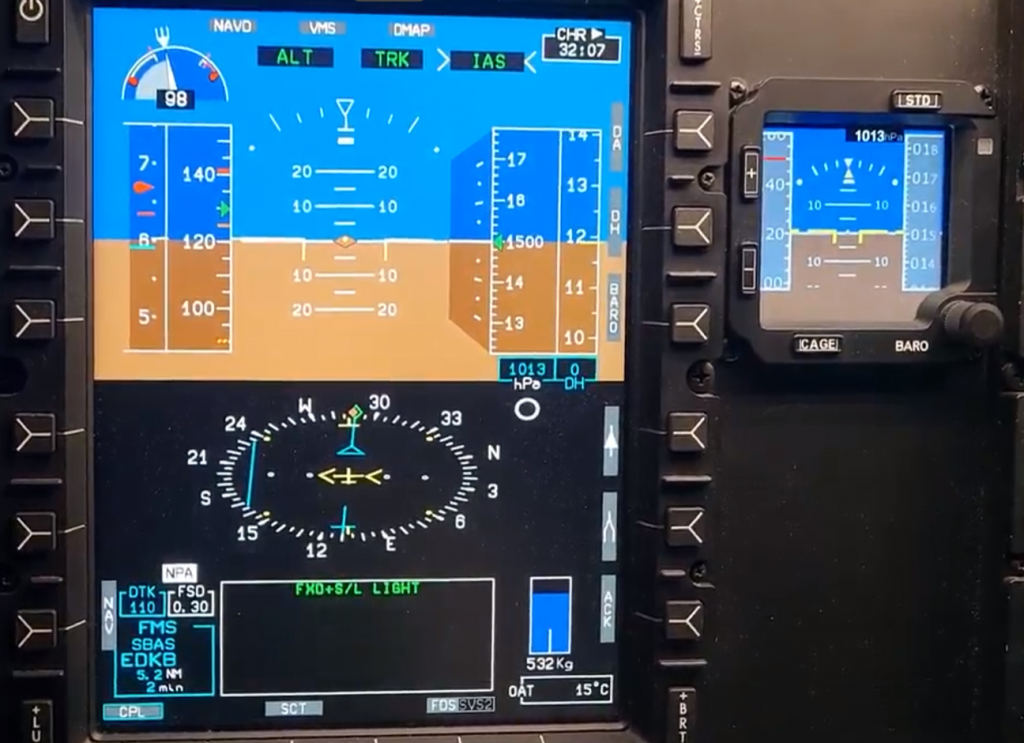
- 3-axis reversion – On AW109/AW169 all vertical modes are on the collective. This is simple for the pilot to remember but not as capable as it could be. On Helionix if collective is unavailable or not wanted, altitude modes can be put on the pitch channel as holding altitude is typically more critical than holding speed. There is automatic reversion to 4-axis mode if speeds get too low.
There are some protections in AW109/AW169, but many are more focussed on preserving power limits than aerodynamic limits.
Commonality
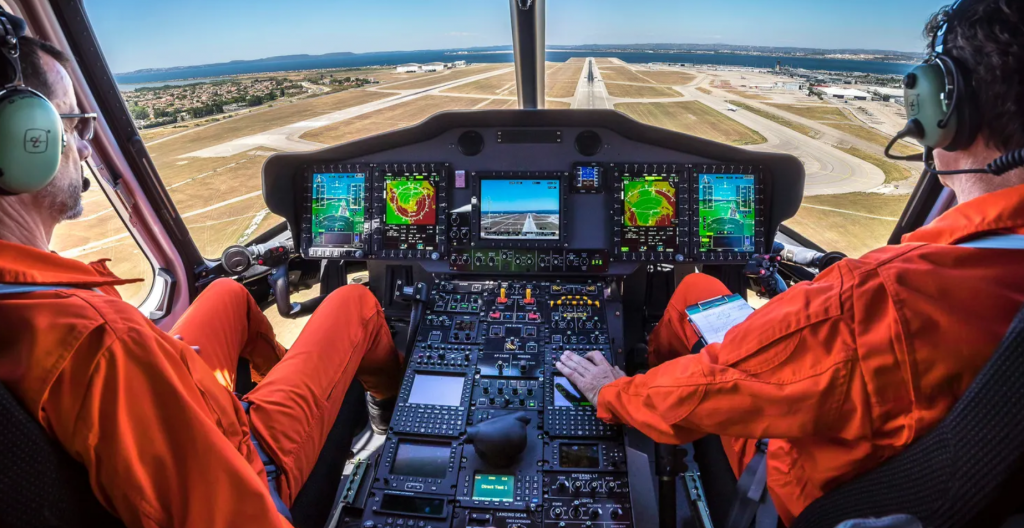
The Helionix AFCS is substantially identical on H135, H145, H160 and H175. Pilots transitioning between aircraft enjoy a much reduced course when moving across these types. The AW169 does share commonality with the AW189 but the AW109 is somewhat unique. The Bell 429 does also share commonality with later versions of the Bell 412. The wide range of types in the Airbus fleet that now share an AFCS philosophy and control is really going to be hard to beat as the newer models achieve even wider market penetration. The transition to H140 is going to be extremely easy for many pilots.
Upgrades
The AW169 and Helionix have evolved several times with some major updates over the lives of the avionic suite. This has brought new and refined functionality for pilots across the whole flight envelope. Automated takeoffs on H145, introduced at software version 10, have really shown what an incremental update can deliver. Changes on AW169 through the Phases have also been extensive.
Compare that to the AW109 and Bell 429 and there improvements have been much smaller. The Bell 429 enjoyed a few upgrades with the new Display Units (Astronautics) but many of these updates were still behind Helionix. The upgrade to the Go-Around mode on Bell 429 to include automatic engagement of ATT mode was however a very welcome upgrade. Unfortunately the whole cockpit needed to be replaced to achieve it.
Automated take offs
Much has been said about the automated take offs on H145 Helionix version 10. They have no parallel on the other types and do dramatically cut the workload, remaining fully capable even after an engine failure.
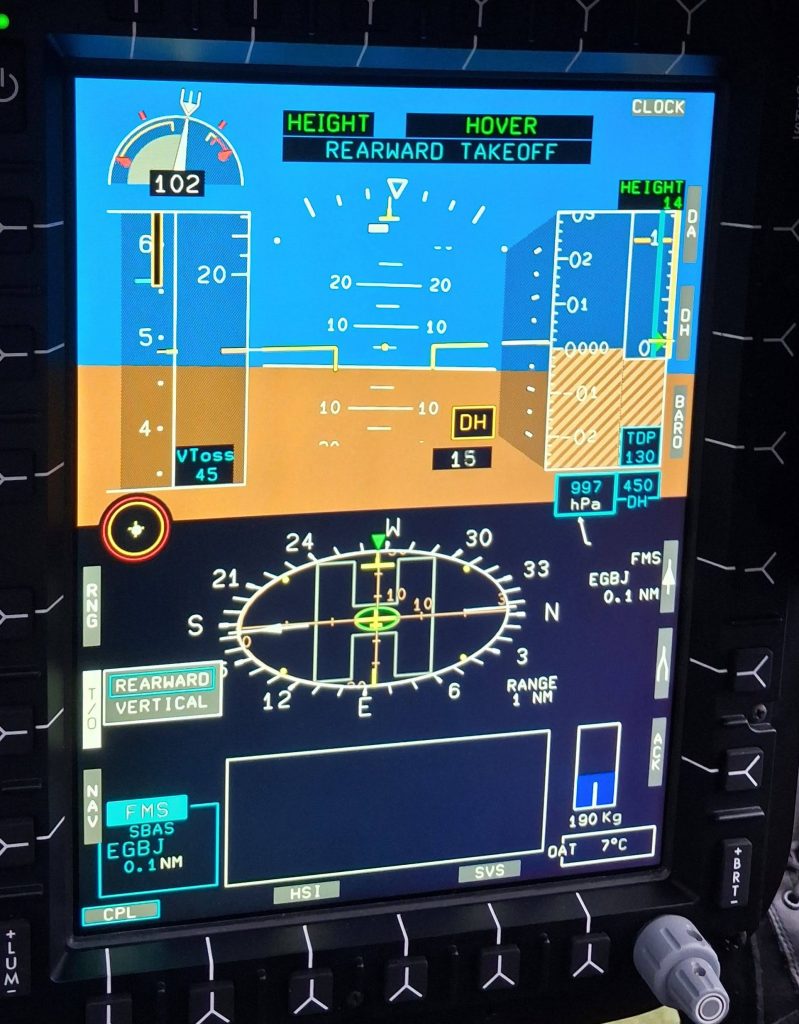
Summary
The Helionix AFCS is currently dominating the game in the world of light twin AFCS systems. All the other machines in the field are highly capable but how much better would they be with the Helionix AFCS?
Why not read our other articles?
- FSTD Capability Signatures (FCS) – A hidden threat for training?

- Preparing for complete loss of engine power in helicopters
- Lessons in how to manage a helicopter engine malfunction
- Light twin helicopter AFCS – Have Airbus won the race?
- Maintenance by pilots – can the training be improved by sharing?
- Flight simulation revolution – A new method for matching training need to simulator capability
- Helicopter Single Engine IFR – New horizons
- Making the grade – understanding climb gradients in the go around
- Unfair Skies: Restrictive helicopter instructor rules and how to fix them
- How to create an instrument rating instructor (IRI) – A helicopter anomaly
- The evolution of Category A Helipad procedures – A strong foundation for VTOL to learn from?
- Strips vs dials – Which is better?
- Under the weather – are UK HEMS weather rules broken?
- Mastery of the GTN 750 – Ten things you should know
- Checking anomalies – The weird requirements of helicopter proficiency checks


Leave a Reply