

Tucked away in the instructor regulations are a handful of rules that are, frankly, inexplicably inconsistent — leaving helicopter instructors dealing with restrictions their aeroplane counterparts never have to think about. In this article, we highlight some of the most unnecessarily restrictive rotary wing requirements and outline practical, common‑sense fixes that would bring them back into line.
Contents
Weird rules
When you dig into the regulations that govern our lives as pilots, it’s always worth checking how the other half live. And when you compare the rules for aeroplane instructors with those for helicopter instructors, you quickly discover a handful of inconsistencies so bizarre you’d swear the rule‑writers took one look at a hovering helicopter, declared it witchcraft, and immediately reached for the “extra restrictions” stamp.
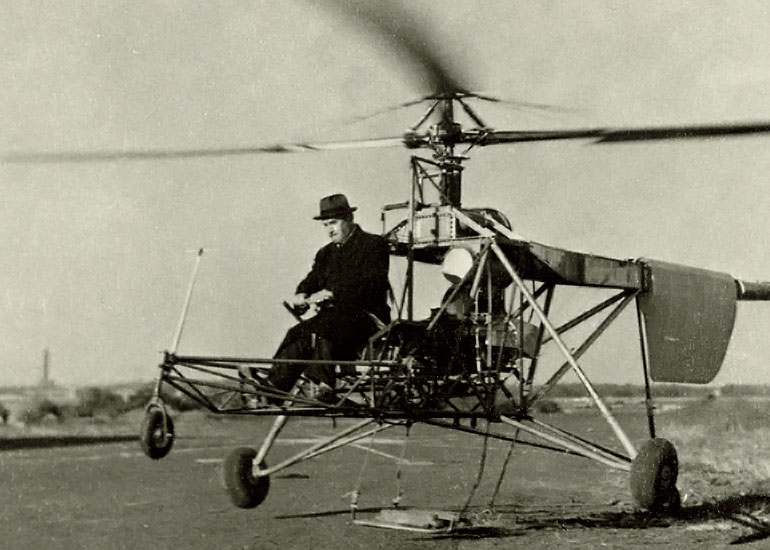
Let’s look at a few of these regulatory oddities — and how they could be fixed with a bit of common sense and considerably less worry about rotary‑wing sorcery.
A bucket load of instructing
In order for us to learn how to fly and operate aircraft we need instructors. We need a variety of flavours of instructor and there are 9 types defined in UK CAA/EASA regulations. The instructor qualification with the largest scope of privileges and the longest, most challenging training is the Flight Instructor (FI).
A starting point
The FI can take someone with no aviation skills and make them into a pilot. With extra training, they can bolt on many new privileges to teach other things like instrument flying or multi-engine aircraft. Therefore the FI rating and the rules around it are the most complicated and rigorous and this is the starting point for a comparison between fixed wing and rotary wing rules.

To become an FI you need to fulfil some prerequisites and complete a course. The relevant rules for instructors are contained in Subpart J to Annex 1 (Part FCL) to the Aircrew Regulation.
After a general section, each instructor qualification gets a specific section of regulations. These are in the 900 series such as FCL.900 which serves as an introduction. The FI naturally comes first amongst the instructor certificates. The privileges for a FI in FCL.905.FI are near identical for aeroplanes and helicopters. All quite fair. The rules for lifting the initial Restricted Privileges (FCL.910.FI) are also identical.
The differences begin
Once we get to pre-requisites needed for an FI (FCL.915.FI) we get a flavour of what is to come in terms of rotary wing/fixed wing disparity. It starts well with minimum requirements for instrument flight instruction and cross-country time; they’re the same.
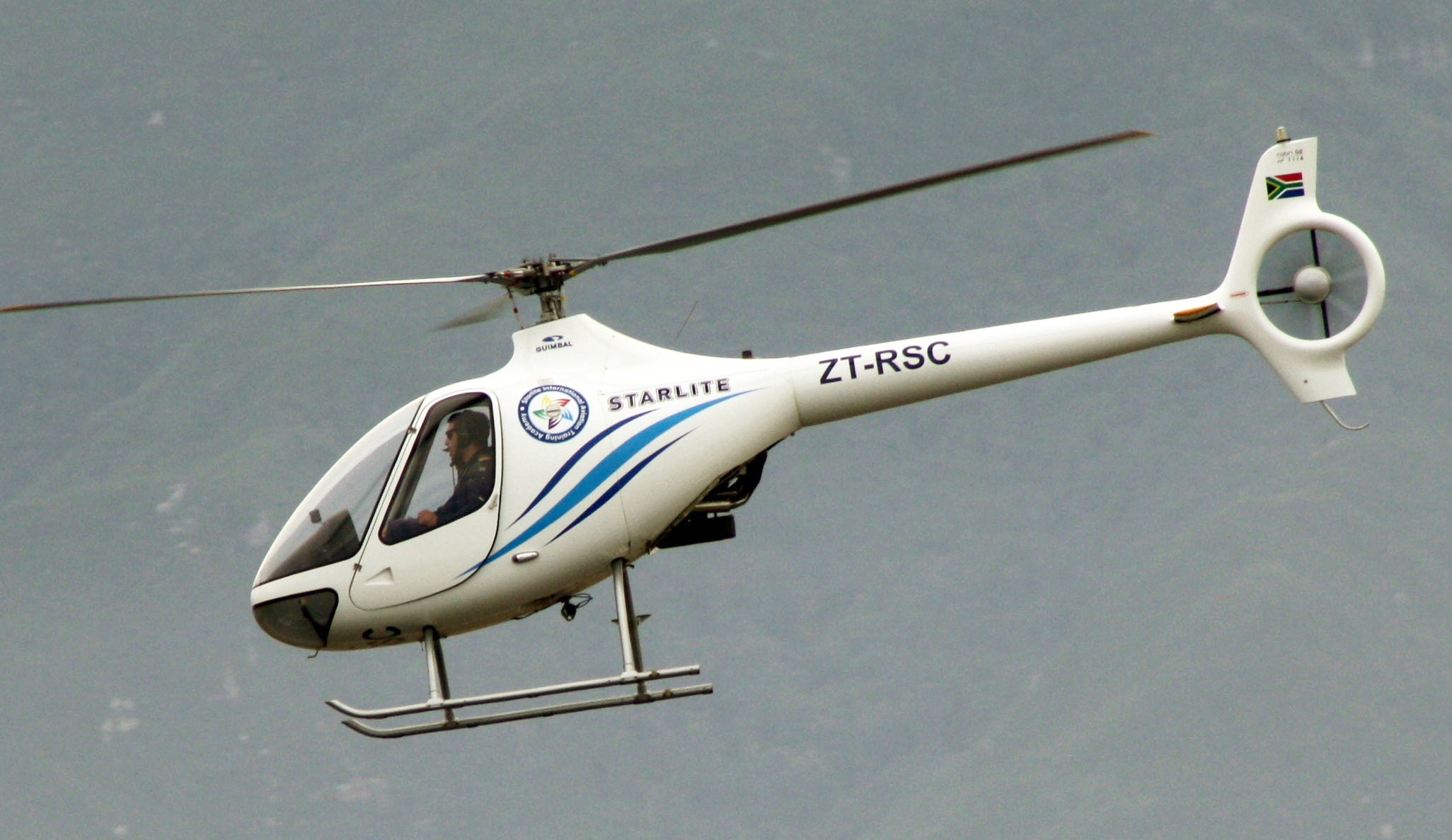
Then it gets odd. For reference a FI for aeroplanes is an FI(A) and for helicopters is an FI(H). PIC is pilot in command. We have paraphrased some rules for ease of reading but the sense is correct.
An applicant for an FI(A) shall:
a) Hold at least a CPL(A) or;
b) Hold a PPL(A) and have passed CPL theory exams and have completed 200 hrs on aeroplanes of which 150 hrs is PIC.
Whereas:
An applicant for an FI(H) shall have completed 250 hrs flight time in helicopters of which:
a) 100 hrs as PIC if the applicant holds a CPL(H)
b) 200 hrs as PIC if the applicant holds a PPL(H) and has passed CPL theory exams.
Just from a quick glance, there are numerous differences in pre-requisites for essentially the same course. Why no minimum hours for an aeroplane pilot with a CPL and yet there is for a helicopter pilot? Why does the helicopter need a minimum specified PIC time but the aeroplane pilot doesn’t? Of course there are minimum hours associated with the respective CPL courses but it does not explain the entirely different sentence structure and numbers.

Here is the original wording for completeness:


An oddity to be sure but not unfair to helicopter pilots. We need to look at the Type Rating Instructor (TRI) for that. A TRI instructs licenced pilots for a new type rating.
I can TRI
The privileges of a TRI do need to differ for helicopters and aeroplanes due to some different licences and specific sorts of aircraft (eg high-performance complex aeroplanes). But teaching a type rating is basically the same skillset. You would expect the requirements to be similar.
In terms of the initial course and assessment for a TRI, the requirements are indeed identical (see FCL.930.TRI and FCL.935.TRI) – aeroplanes and helicopters are the same for once! Let’s lock that in.
The initial training for a TRI is identical between aeroplanes and helicopters.
We might just come back to that as a statement in a moment.
A huge gulf
A TRI certificate is valid for 3 years. If a TRI wants to revalidate the TRI certificate they need to fulfil several requirements. The TRI needs to complete 2 out of 3 options each 3-year validity period. Two of these 3 are the same for aeroplanes and helicopters:
a) Complete instructor refresher training
b) Complete an assessment of competence
The third dimension
Ok, very fair. But what about the third option. Here the requirements differ. Let’s look at aeroplanes:
Aeroplanes:
To revalidate a TRI(A), the candidate shall within the last 12 months of the validity of the certficate:
- Conduct a simulator training session of at least 3 hrs or
- Conduct one exercise in an aircraft of at least an hour including 2 take-off and landings
OK, seems a like a little bit of a low bar over three years, but they only actually need recency in the last year and there is no requirement for this small amount of training to be done on each type the TRI(A) can teach on.
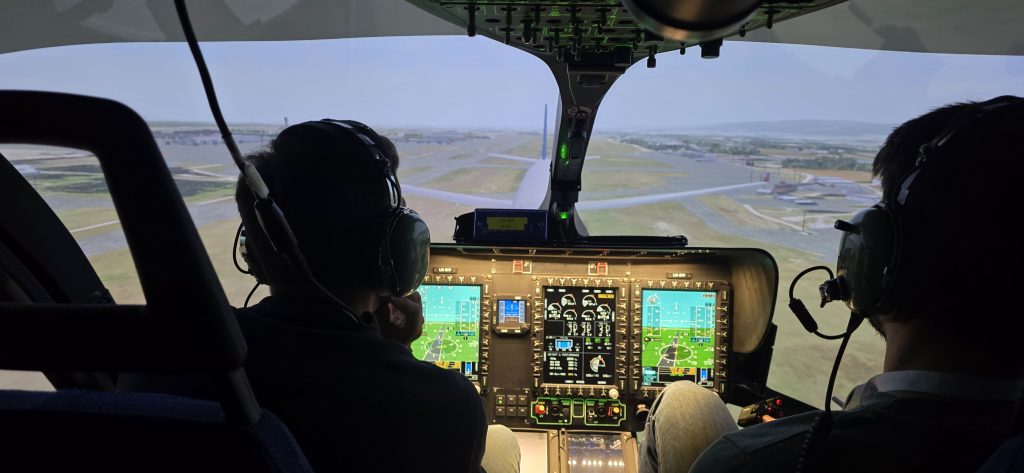
So, every other validity period (so six years) TRI(A) have to do the assessment of competence – but that’s only every six years so tolerable. Overall a very simple, easy to achieve currency requirement.
Let’s look at the third option for helicopters:
Helicopters:
To revalidate a TRI(H), within the validity period of the certificate:
- Complete at least 50 hrs of instruction on each type on which the instructional privileges are held of which 15 hrs must be in the last year of the certificate validity
Hang on, what?! Wait! That seems a little different.
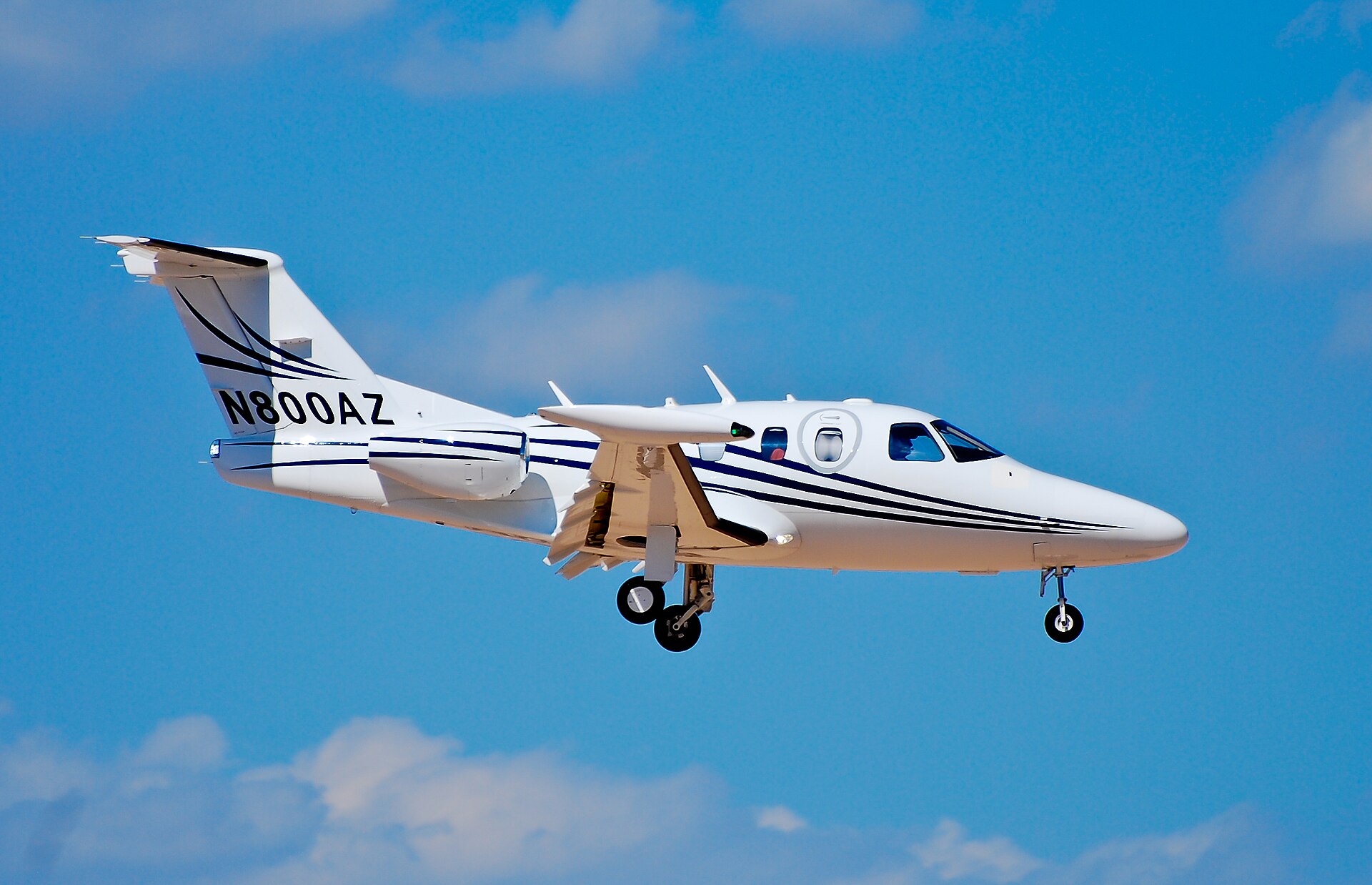
Let’s compare 2 TRIs to show how mis-matched this is. TRI(A) is qualified on 3 types: an Eclipse, a Mustang and Cirrus Vision. To revalidate, it’s a 1 hour flight in one of them. A TRI(H) is qualified on 3 types: an EC135, an AW139 and an S76. They need a total of 150 hrs of instruction to revalidate. That is a staggering difference between helicopter and aeroplanes. And remember, the initial training was identical.
To be fair, a TRI(H) can revalidate all of the types they hold by doing an assessment of competence, but that means every 3 years they have to do that very stressful and potentially expensive check against the fixed wing’s 6 year requirement. Perhaps helicopter instruction is just harder?
FI revalidation
So if helicopter instruction is harder, then the FI(A) and FI(H) requirements for revalidation must be similarly mis-matched. If we look back at the FI section of the regulations, we uncover another anomaly.
The origins of the 50 hrs requirement clearly has its roots in the FI. To revalidate an FI (FCL.940.FI) you need to again do 2 out of 3.
The third option is identical for aeroplanes and helicopters and is similar to TRI(H) but with a killer difference:
To revalidate an FI(A) or FI(H) the candidate shall complete 2 out of 3 of the following before the expiry of the certificate:
- Complete a refresher training seminar
- Complete an assessment of competence
- Complete 50 hrs of flight instruction. If instructing for an IR, at least 10 hrs must be towards an IR and within the last 12 months of validity
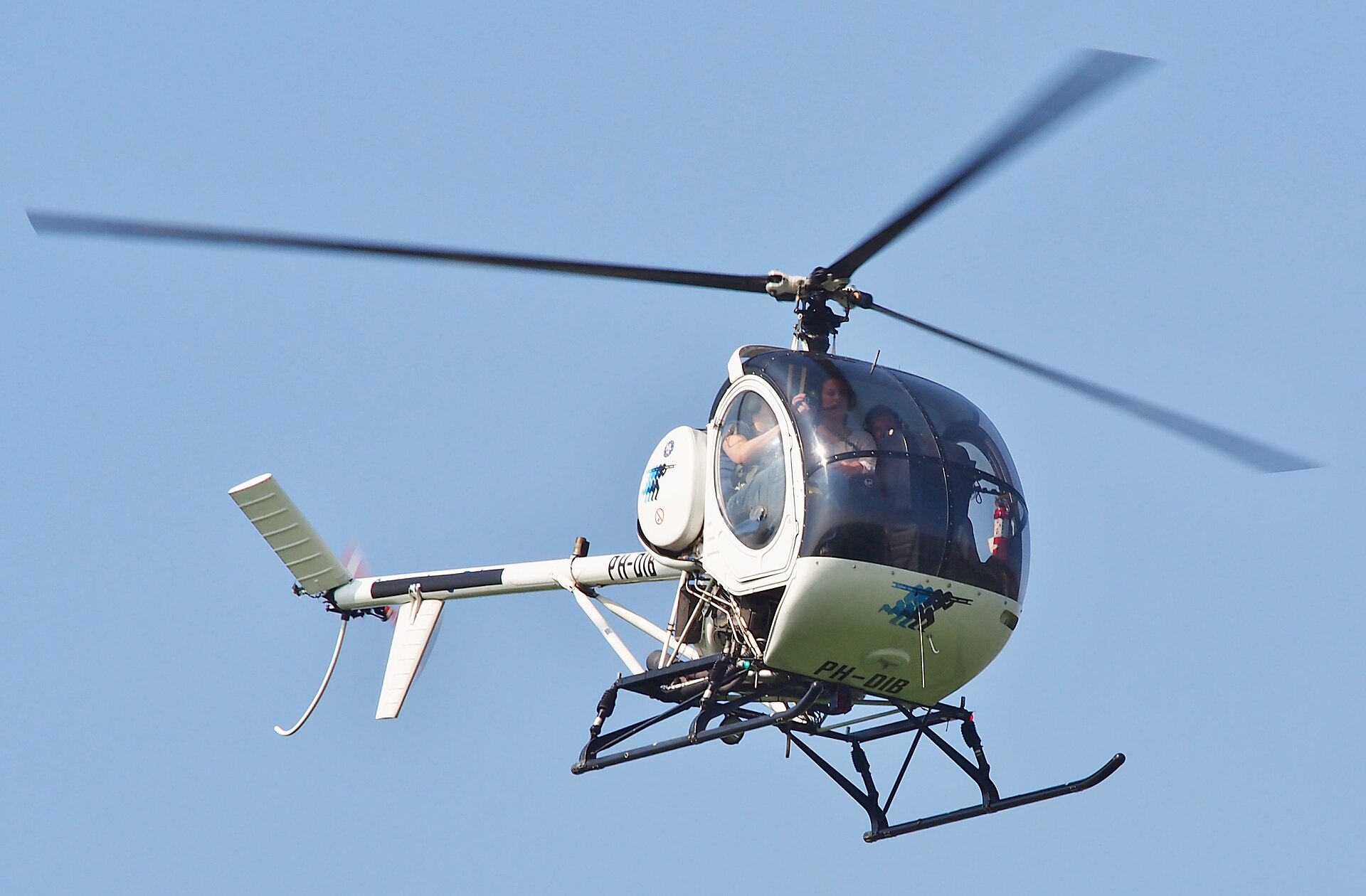
Pay attention now. The 50 hrs must be done before the expiry of the certificate. That could be within last 3 years but could be 30 years earlier. The intent was probably for it to read “within the validity period of the certificate” but it does not say that. Oops.
,_photo1.JPG)
So, whilst the revalidation requirements for an FI(A) and FI(H) are the same, they are written in very poor language and it is something else we need to correct.
Must TRI harder
Never complain about something if you cannot offer a solution. So how do we fix this gross mis-match between TRI(A) and TRI(H) revalidation and the poor language for the FI revalidation? Let’s summarise the issues:
- The TRI(A) revalidation requirements are just too light – one hour instructional experience in 3 years?!
- The TRI(H) revalidation requirements are much too onerous for multi-type instructor pilots.
- The FI revalidation requirements are poorly written and allow scope for very low recency.
The solution is simple. Rewrite, each revalidation requirement to be the best practice from all three:
To revalidate the FI / TRI the candidate must, within the validity period of the certificate complete 2 of the following:
- Refresher training in the role of an FI / TRI
- An assessment of competence as an FI / TRI
- 50 hrs of instruction in the category of aircraft of the instructor certificate including 15 hrs within the last 12 months of validity. The 50 hrs may be completed in any of the aircraft or FSTD on which the instructor holds instructional privileges
That’s a fair list of requirements that recognise the right amount of practice.
The IRI issue
As we have covered in a recent article, the requirements for the creation and maintenance of the IRI certificate in the helicopter world are very ill suited to helicopters. This is the exact opposite of the TRI issue – in the IRI case, it is inadequate recognition of the unique nature of helicopters.
Nearly all instrument instruction in helicopters is carried out on twin engine helicopters yet to train a new IRI an instructor has to navigate a convoluted path through single engine piston qualifications to get to the stage of being able to teach an IRI on a twin!
The fix for this issue is in the article, but put simply, was to allow TRI to train new IRI and TRE to check them. Have a read.
Summary
So in two key aspects, the rules do not currently work for helicopter instructor. In the first case, the rule authors seem to have been awed by the audacity of a helicopter to fly when it should not, upping the requirements. But in the other case, the unique nature of helicopters and how they are operated is not reflected in an appropriate difference.
Two issues, opposite reasoning.
Now read some more!
- FSTD Capability Signatures (FCS) – A hidden threat for training?

- Preparing for complete loss of engine power in helicopters

- Lessons in how to manage a helicopter engine malfunction
- Light twin helicopter AFCS – Have Airbus won the race?
- Maintenance by pilots – can the training be improved by sharing?

- Flight simulation revolution – A new method for matching training need to simulator capability
- Helicopter Single Engine IFR – New horizons

- Making the grade – understanding climb gradients in the go around

- Unfair Skies: Restrictive helicopter instructor rules and how to fix them

- How to create an instrument rating instructor (IRI) – A helicopter anomaly

- The evolution of Category A Helipad procedures – A strong foundation for VTOL to learn from?
- Strips vs dials – Which is better?
- Under the weather – are UK HEMS weather rules broken?

- Mastery of the GTN 750 – Ten things you should know
- Checking anomalies – The weird requirements of helicopter proficiency checks
Leave a Reply