
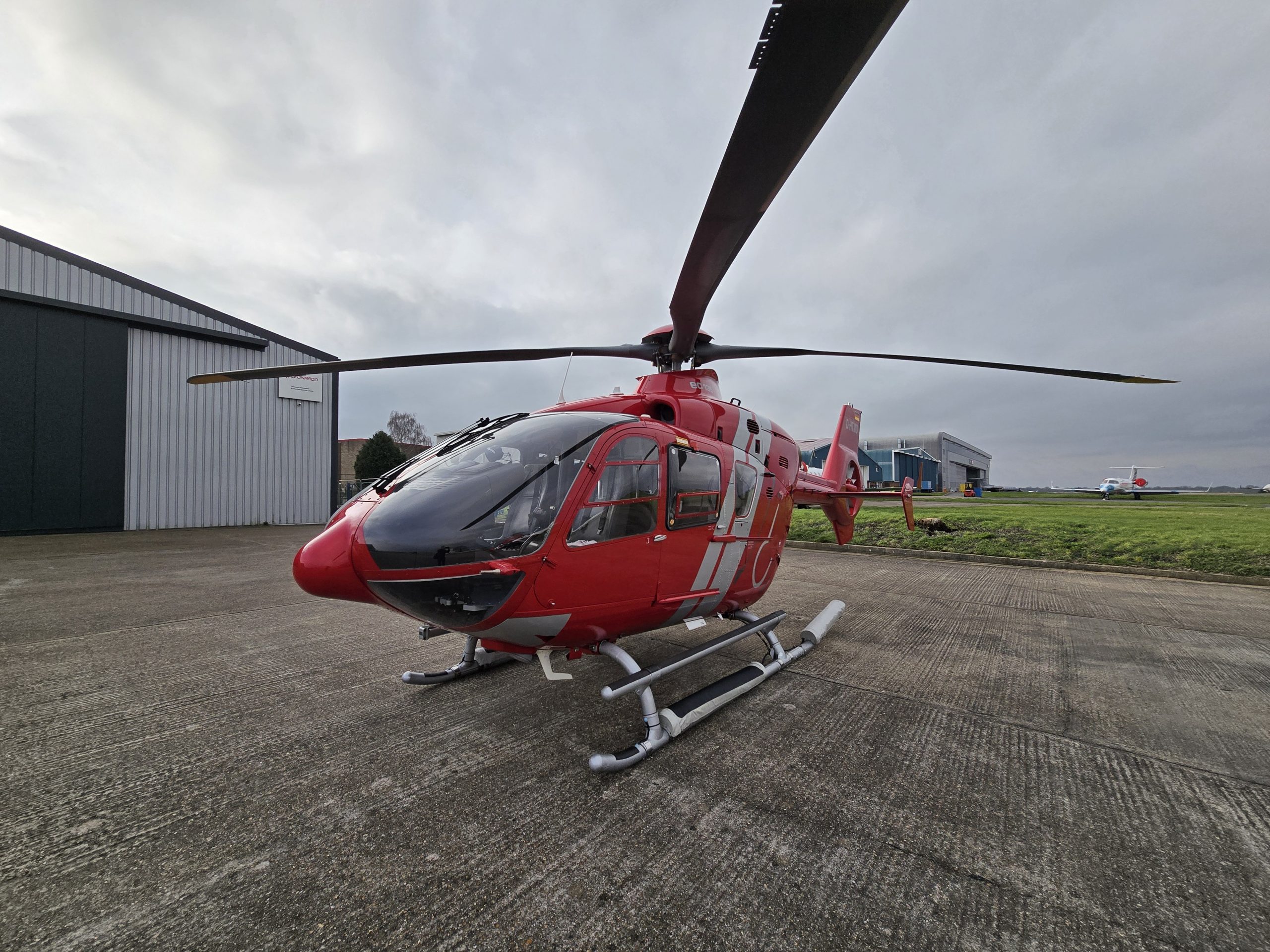
As a civilian licenced helicopter pilot, you will have undertaken numerous tests and check rides and not given a second thought to the elements an examiner has to test each time. Getting this testing and checking correct, while being fair and objective is a challenging task. However, there are some requirements in the tests and checks which can seem bizarrely specific and can lead to some areas getting routinely missed.
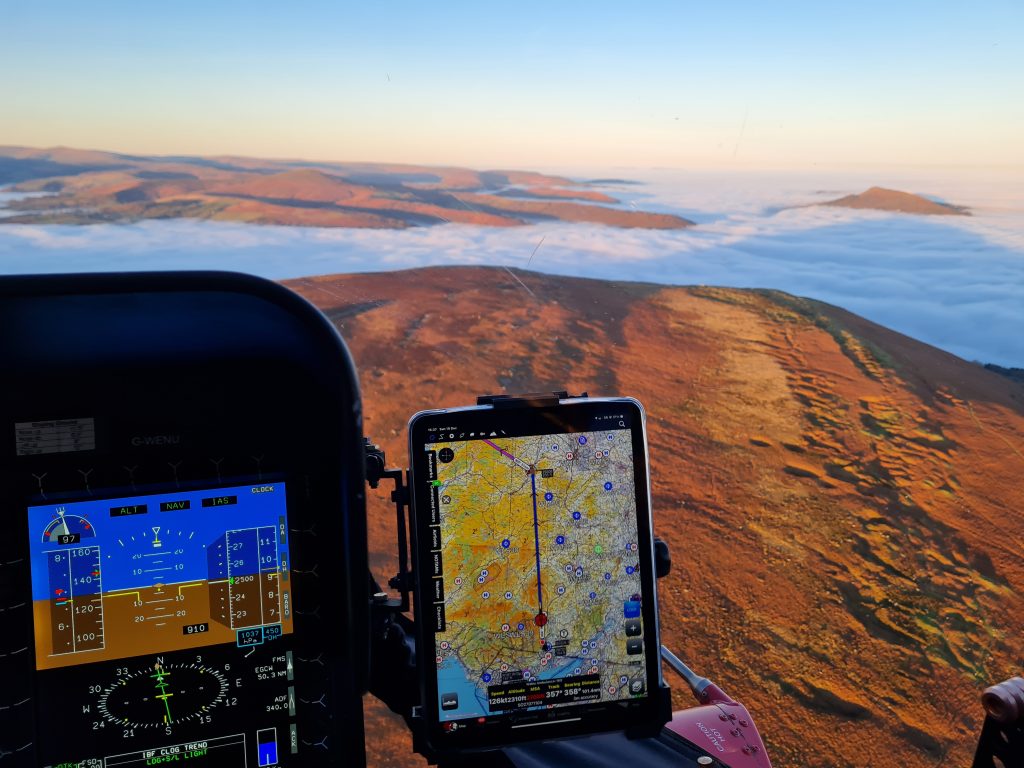
In this article we look at the current state of play for checking and testing of helicopter pilots in the UK and the EU and lay out some ideas for the future. We focus in on some elements of the test profile so that you can better prepare for future checks and so you can get training on the manoeuvres and procedures that get missed in the pursuit of the mandatory checking elements.
For UK military pilots transitioning to the civilian flying world, this should be a good heads up about what to expect from your first Skills Test (equivalent to an end of course check).
Let’s dive in.
Contents
Background
In the UK and the EU, the requirements for checking and testing helicopter pilots are laid out in the Aircrew Regulation which sits under the Basic Regulation in the regulatory structure. The part of this dealing with Flight Crew Licencing is Part-FCL. In Appendix 9 to Annex 1 of Part FCL (!), the requirements for checking and testing are laid out.
Just one thing to clear up first. Testing and checking are not the same thing under Part FCL – testing is the first time you demonstrate a new skill (eg after a type rating) whereas checking is what you do annually to prove you have not lost the skills and knowledge of a particular type. However, in both cases the profile used to check a pilot is identical. It’s all laid out in a table in Appendix 9.
Content of the Test or Check
The test or check is laid out into 6 sections for helicopters:
- Section 1 – Pre-flight preparation and checks
- Section 2 – Flight manoeuvres and procedures
- Section 3 – Normal and abnormal operation of systems
- Section 4 – Abnormal and emergency procedures
- Section 5 – Instrument Flight Procedures
- Section 6 – Use of optional equipment
Emergency vs abnormal
Let’s clarify something. What is the difference between an abnormal and an emergency procedure? Surely the same thing! Not quite:
- Emergency – The safety of the aircraft or persons on board or on the ground are endangered for any reason
- Abnormal – The flight cannot be continued using normal procedures but the safety of the aircraft or persons on board or on the ground are not in danger
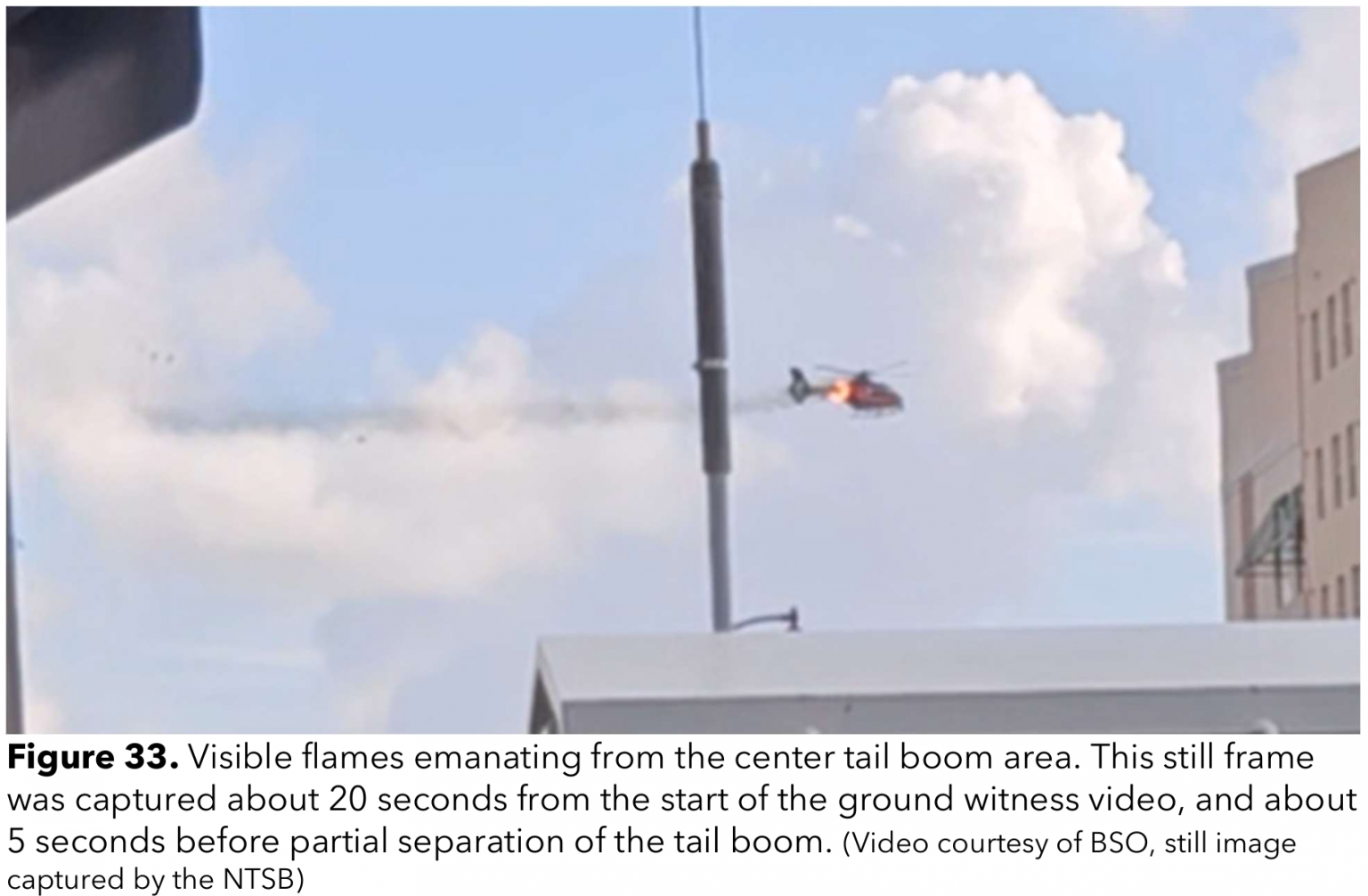
Let’s look at few examples. A fire onboard is a clear example of an emergency.
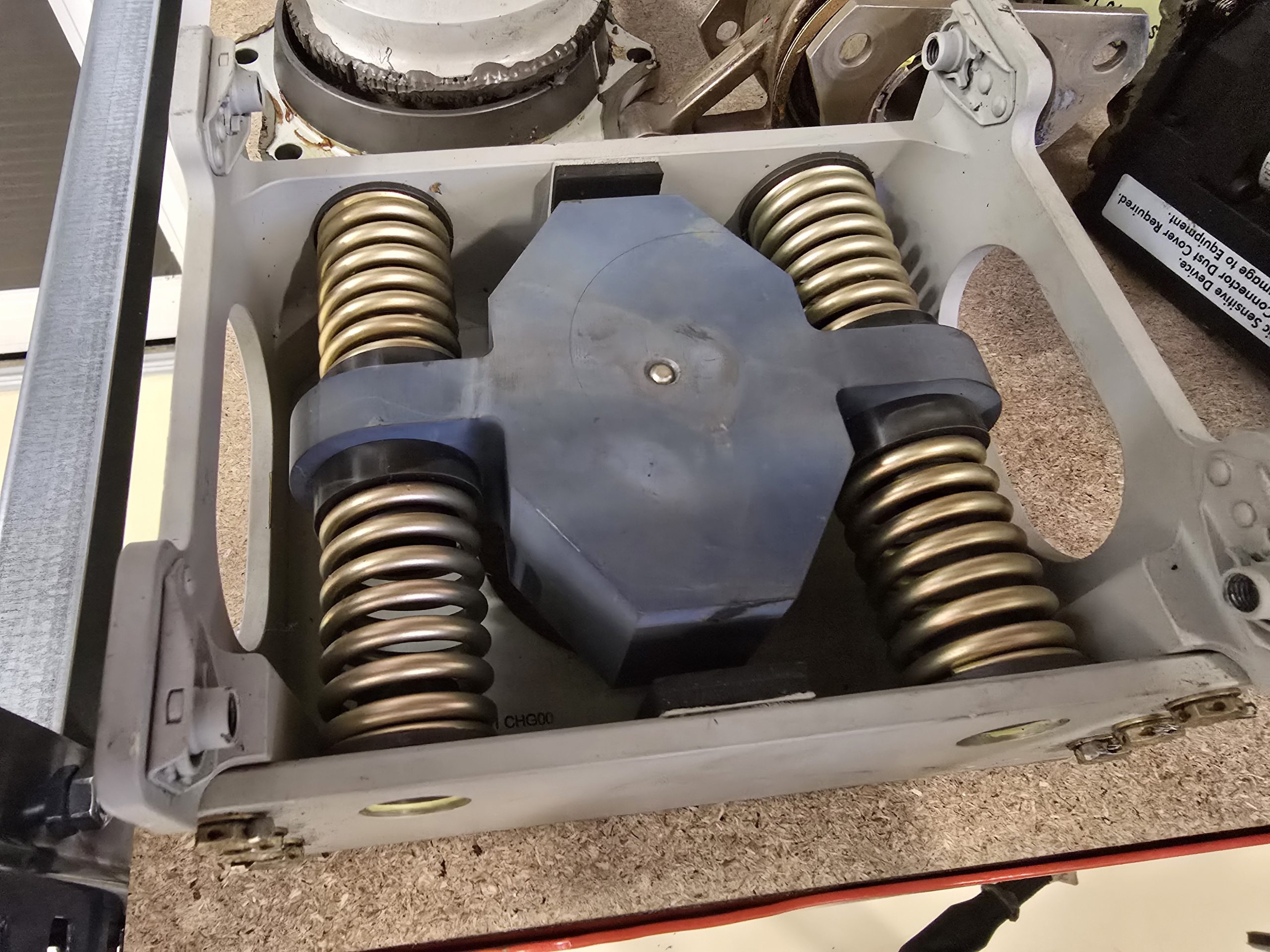
Whereas returning to base due to returning to base due a vibration damping failure (eg LAVCS on H145) might be an abnormal procedure.
Example of test point
So let’s look at how a test point in the profile is shown starting from the top. Each test point is numbered. The numbering initially makes sense but starts to lose it’s logic in the latter sections. In any case, a description of the test point follows. The next major column in Appendix 9 is all about training.
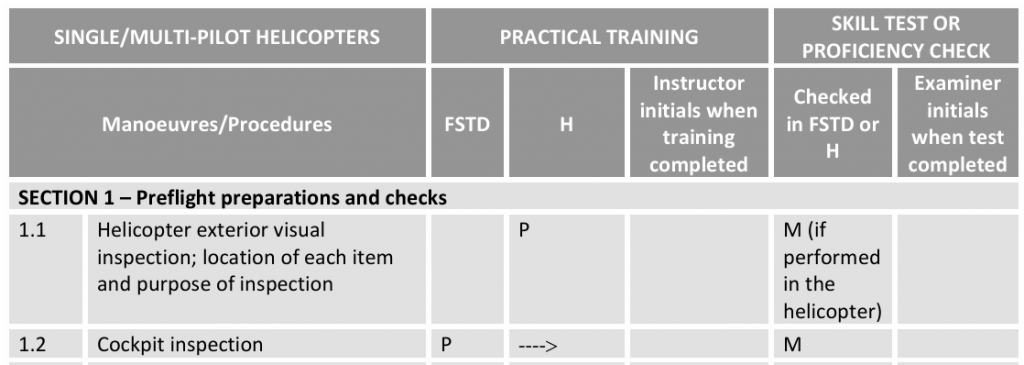
The “P” indicates whether the candidate should receive practical training in the manoeuvre or procedure during their type rating course. As it happens there is a “P” for every single item in the list – the only difference in where the training takes place.
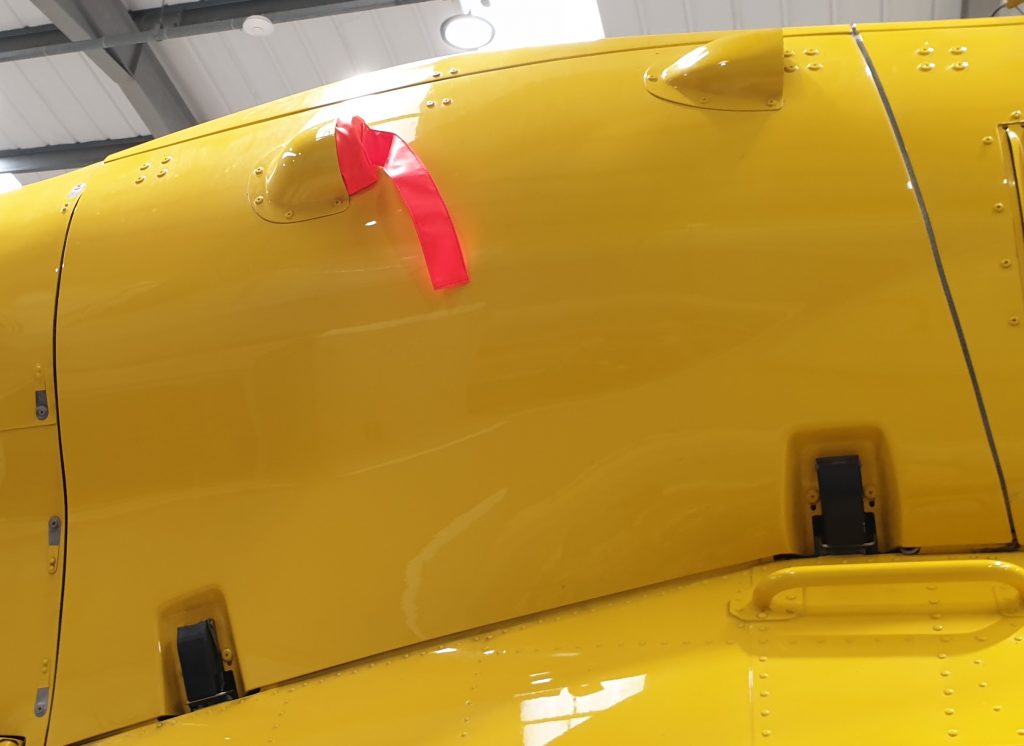
Helicopter or FSTD
This training can either be in the Flight Simulation Training Device (FSTD) or Helicopter (H). Clearly an exterior visual inspection of the FSTD is not great training for a pre-flight inspection of the real aircraft, so that P is in the H column. For every single other item in the list, the training can either be an FSTD or in the aircraft except for tail rotor failure which must only be done in an FSTD. Clearly if there is no FSTD, it cannot be trained.
Mandatory Items
In the right hand column, the items to be tested or checked are laid down. All of the items can be checked but some are mandatory (M). Time is money and flight time doubly so.
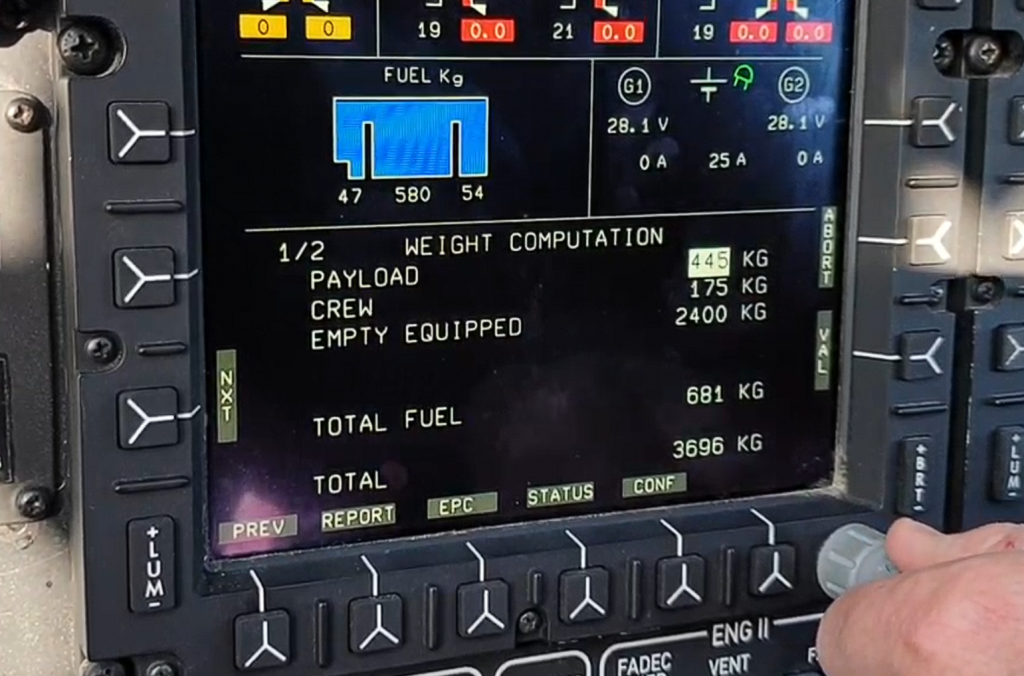
Checking and testing is expensive for a customer paying for the helicopter and completing non-productive for a commercial enterprise trying to make money in a mercenary world. With deep pockets, clearly every single item could be tested, but the reality is that the mandatory items get tested but the discretionary items only get tested by exception. This leads to some oddities.
You cannot fail certain manoeuvres
On the flip side, where a procedure is not listed in the test profile, what happens if a candidate is asked to do it and mucks it up. Can they fail for a unlisted test point? This puts the examiner in a very awkward position. The regulations are actually really clear at AMC2 FCL.1015(m):
An examiner will plan a test or check in accordance with Part-FCL requirements. Only the manoeuvres and procedures set out in the appropriate test or check form will be undertaken.
For example, this means that a helicopter examiner is not allowed to test a candidate on a manoeuvre such as a quick stop (or fast stop for RN pilots).
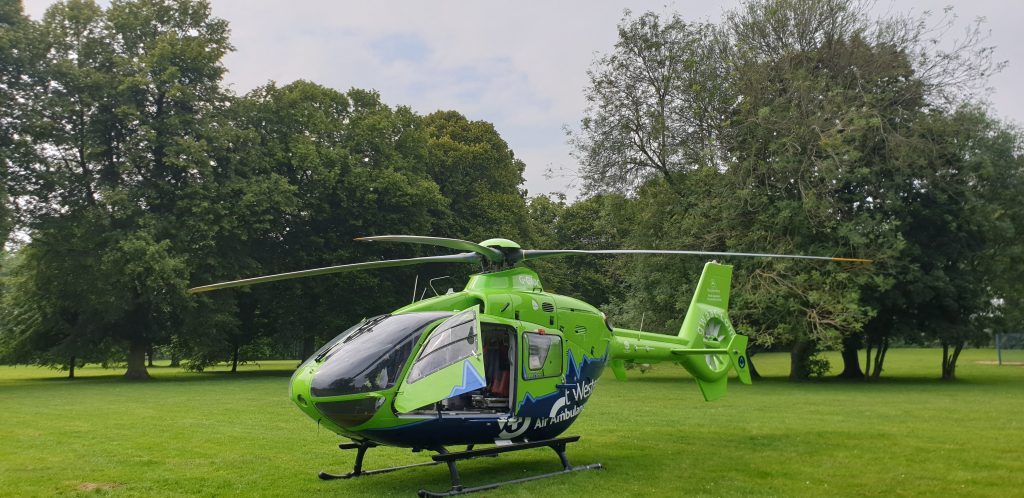
What about confined areas? Surely it is just a different type of approach? Well, playing devil’s advocate look at the CPL(H) test profile. That does include confined area operations. So if it is not in type rating test, can it be a test item. We look at some more outcomes from this policy below.
Some oddities
Now we have set the scene, we can focus in on some specific test items and look at some odd outcomes.
Autorotations and landings in multi-engine helicopters
Thankfully, by having multiple engines, the likelihood of a single engine failure leading to an autorotation is slightly more remote in a multi-engine helicopter than it is in a single engine helicopter. This is reflected in the test point. But for both single and multi-engine helicopters the need to demonstrate an autorotation is always there at item 2.6:

That’s fairly clear and straight forward. However, what happens at the end is different between single and multi-engine helicopters (I am using the EASA version as it has recently been expanded:
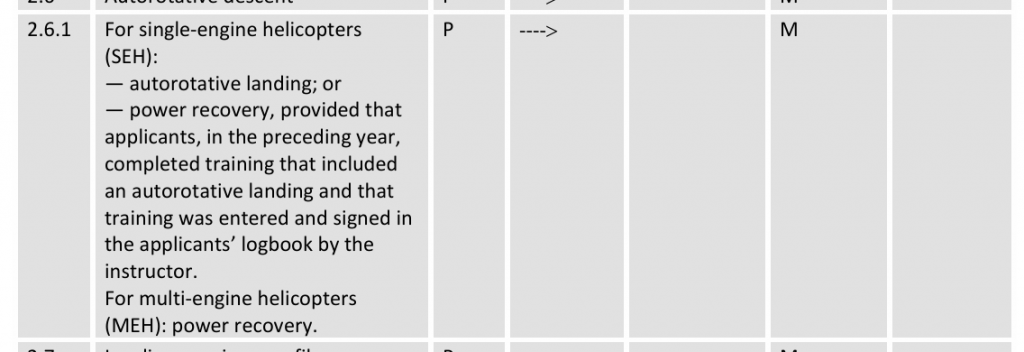
The single engine helicopter requirement has generated quite a discussion but we are not going to look at that further here.
Power recovery
For multi-engine helicopters the test point is a “Power Recovery”. This sounds sensible in a helicopter as many multi-engine helicopters are not permitted to complete autorotative landings for training. Even if they are the penalty on maintenance can be massive (eg logging 160 landings on the fatigue index of the skids on a Bell 429 for each autorotative landing!).

But what is a power recovery. In its simplest form this is simply an application of power during an autorotative descent. This could be thousands of feet up and all above 60 kts. For UK CAA pilots though, it has actually been defined a little better in the Helicopter Flight Examiner Manual as:
For MEH in an aircraft, an autorotation to a powered recovery either to a
slow forward speed or hover.
Notice it still does not mention a height above the ground. This could still be thousands of feet up. As it happens this is actually a blessing for some devious examiners. Doing a power recovery to a hover thousands of feet up is a superb entry to an unusual attitude recovery!
FSTD power recovery
However, what about if this manoeuvre is conducted in an FSTD? There is no risk to life or aircraft of conducting a full touch down autorotative landing. But remember, FCL.1015 said the examiner cannot test an item which is not in the test profile. They are not allowed to test an engine off landing in a multi-engine helicopter. So if you crash the sim next time you do an engine off landing – can you actually fail?
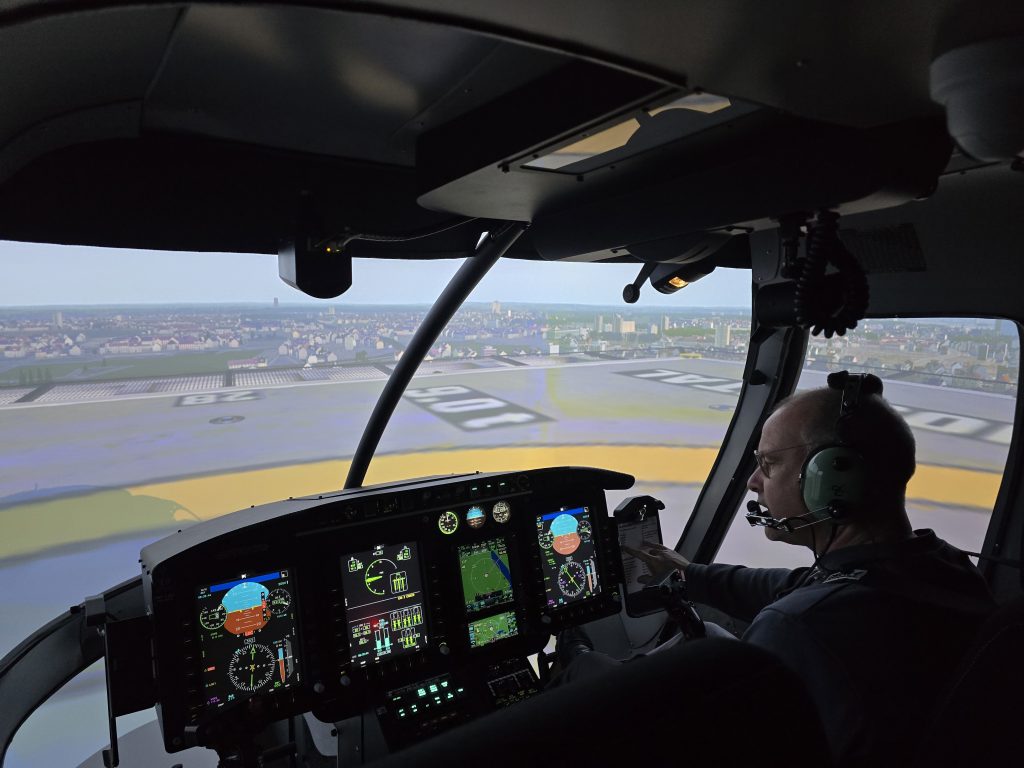
Of note of course, you are also not required to be trained in this technique either. So you can protest ignorance anyway!
Straight Climbs
Looking further down the item list, the test profile requires the candidate to demonstrate they can complete:

These type of turning and descending climbs used to be quite the test of a pilot’s scan in the military by making the turn a co-ordinated climbing or descending turn through a certain change of heading, through a particular height band in a certain time period. A civilian examiner might be treading on thin ice here as there is no mention of a set altitude change. Nevertheless it is a great challenge.
What is missing from the test profile, is a climb or descent without a turn. So if you are asked to climb straight ahead and you cannot manage to do so, can you fail? Is this really what the authority intended? Fear not, there is some other guidance.
Level Turns
In a similar vein, the next check requires:

Aha! It does not mention doing so whilst maintaining altitude or speed. I can let those go.
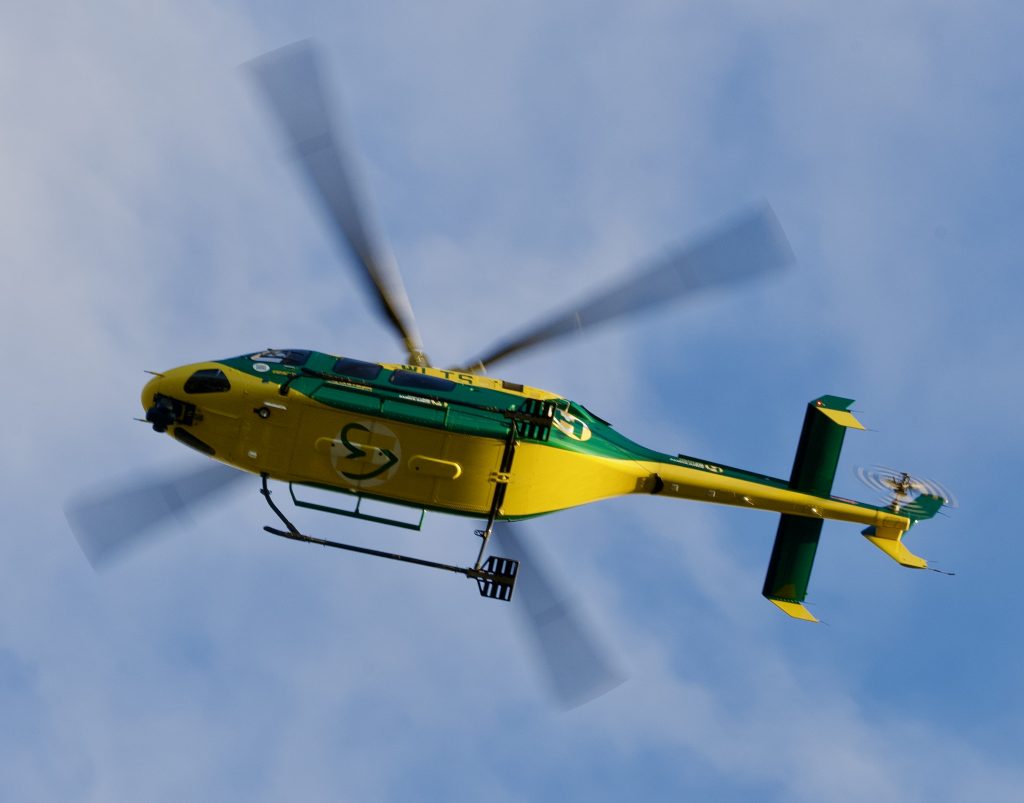
Not so fast. Going back to the examiner’s manual we mentioned for the power recovery, both the UK CAA and EASA provide some guidance in their respective Examiner Manuals on this turning test point. The turns must be carried out whilst “…maintaining altitude and speed…”. So whilst there are some gaps (like the missing engine off landing), there are is some guidance for other points.
Instrument Landing System (ILS) approaches
So there are some missing manoeuvres and vague test points that need clarifying in the visual section but perhaps the instrument procedures section is clearer? It is mostly, but there are still issues.

Take the 3D approach operation requirement. Three different options for the 3D approach operation are laid out:
- 5.4.1 – A manually flown 3D approach without a flight director
- 5.4.2 – A manually flown 3D approach with a flight director
- 5.4.3 – A coupled 3D approach
In EASA, either 5.4.1 or 5.4.2 is mandatory. In the UK only 5.4.1 is mandatory. This leaves the coupled 3D approach as an optional item in both jurisdictions. As mentioned earlier, financial pressures for commercial operators and customers mean that pilots may not ever see a coupled 3D approach on a check ride. This can lead to some dangerous omissions in pilot knowledge. Take a look at our article about how ILS really work to up your knowledge!
Never flown an automated ILS
Whilst fortunately, every manoeuvre needs to be flown in training, a pilot could, for the rest of their time on an helicopter, never be checked on coupled ILS approach operations. “But they’re easy aren’t they? It does it all for you!” Well yes, if you get the procedure right it will be probably go ok.
But what happens if you do not get visual references at the bottom? For well-designed helicopters like the H145 or H135 T3H with full 4-axis AFCS, there is unlikely to be a problem. One press of the Go Around (GA) button causes the aircraft to climb to a selected height, achieve a selected go-around speed and follow the programmed missed approach up to and including entering the hold.
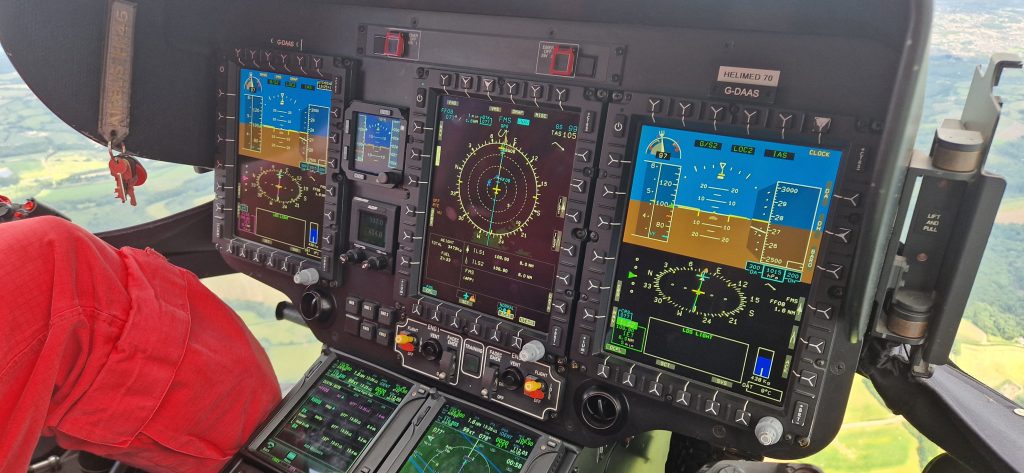
What about a simpler 3-axis autopilot? As we discussed in our article on 3-axis autopilots, a coupled go-around from a coupled 3D approach can go spectacularly wrong if the pilot does maintain speed with the collective or tries to pull power before selecting go around. If a pilot is never checked on this, how can they be expected to fly it successfully for real?
We have seen this during simulator check rides where a candidate was given exactly this scenario and pulled power to go around. They were confused by the pitching nose down and acceleration of the helicopter. They actually impacted the runway during the subsequent attitude upset.
The engine keeps failing
Another unintended consequence of the test profile is the fourth option for the 3D approach:
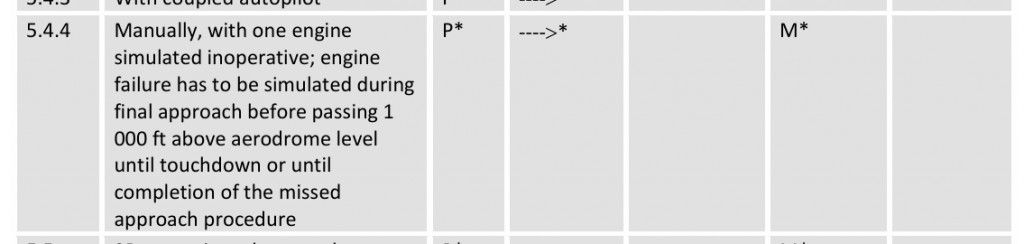
During the manually flown approach, the engine has to be failed during final approach before passing 1000 ft. The final approach is defined in ICAO PANS OPS as the section of the approach between the Final Approach Fix and landing. This gives the examiner a very narrow window for introducing the engine failure.
In addition, the engine failure is always given during the manual 3D approach. This means the candidate never sees an engine failure during a 2D approach for the reasons already outlined. It also means they are never checked on how a coupled aircraft reacts to the engine failure. How does it cope with the sudden loss or power? Will vertical modes drop out or underperform. The candidate probably does not know! The candidate is not being checked on a sufficient variety of real-world scenarios.
The same old emergencies
Section 4 of the test or check is emergency and abnormal procedures. At least 3 items in the list are mandatory. Again, for the reasons listed above, a check is frequently just 3 of these items. Due to a lack of simulators or accessibility of simulators for proficiency checks, aircraft are used for this section of proficiency checks (eg in the UK FTD and FNPTII certified FSTD cannot be used for proficiency checks in most cases).
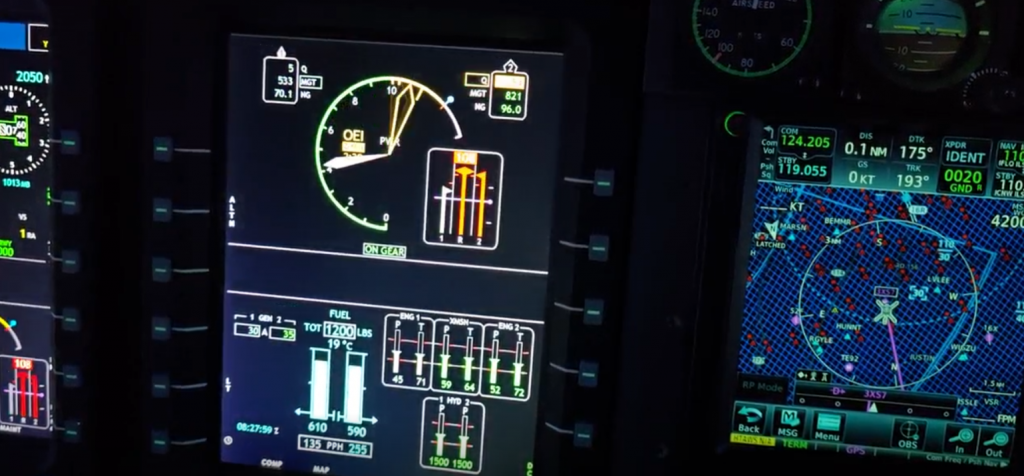
By using the aircraft, certain emergencies cannot be checked. A tail rotor failure is not permitted to be done on the aircraft. Fuel dumping is not possible on many smaller helicopters and incapacitation is not appropriate to single pilot operations. Some operators are uncomfortable with examiners blocking the yaw pedals which leaves out tail rotor control failure. This leaves:
- A fire drill (either engine or airframe but not both – you cannot test the same item twice)
- Engine failure and re-light
- Transmission malfunction
- Other procedure
So a candidate taking a test in a real helicopter will typically get a fire drill, a transmission fault and something else. This is a tiny portion of the possible issues a pilot might face.
Suggestions for change
So having pulled apart the check in certain respects, how can we fix these issues?
Evidence Based Training
Evidence Based Training (EBT) looks at the evidence from real world operations on a particular type or operational role and feeds it back into the training system so that pilots are prepared for the types of emergency scenario rather than specific failures. This allows significant variation of the training to focus on realistic issues.
However, for helicopter operators, the burden of gathering the evidence and applying it to operations is very high. There are some rumours that some operators who tried to do it, gave up due the difficulty and expense of making it work. It is unlikely to be suitable for other smaller operators.
For more about EBT see this article on Skybrary.
A broader look over the years
A major issue with the current checking scheme is its annual outlook. A pilot is checked on a specific list of manoeuvres each year. Each year it is the same list. This gets repetitive and as highlighted above can lead to significant skill gaps over time.
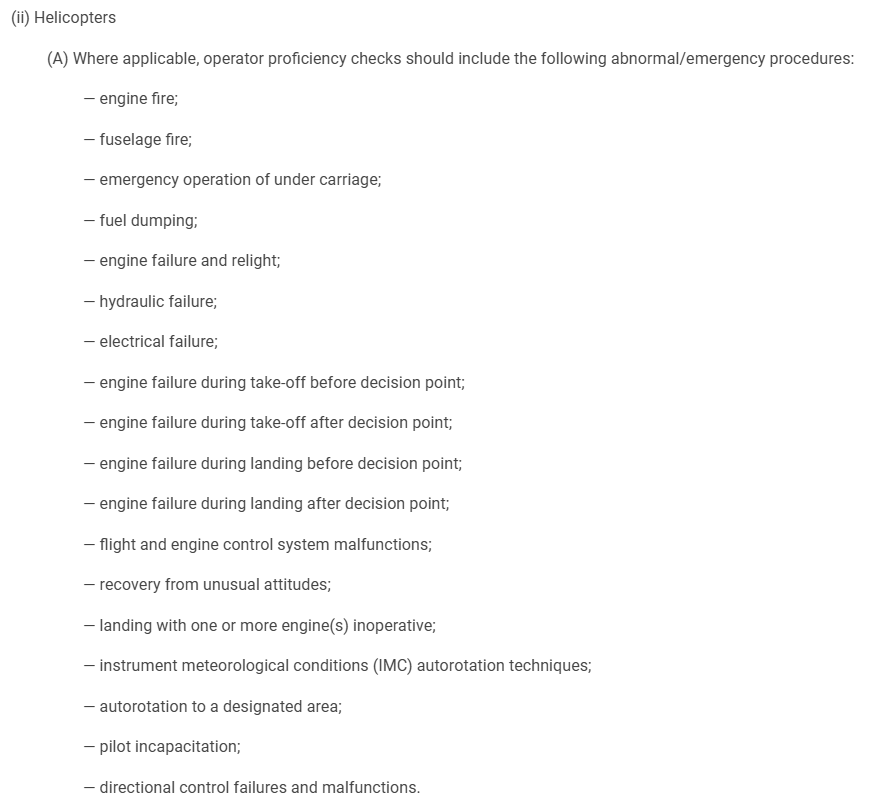
Many commercial operators do not have some of these issues because of the requirements of ORO.FC. In these cases, pilots have to complete a more comprehensive list of manoeuvres spread over a 3 year rolling cycle. For example under emergencies, they have to deal with an engine control problem and a hydraulic problem. This check is called the Operator Proficiency Check (OPC). However, this OPC is allowed to be combined with the Part FCL proficiency check once a year, which means again the pilot’s checking is constrained by the Appendix 9 requirements. Operator training department work hard to ensure training gaps are minimised.
Outside the commercial environment, checking could be moved to a more long term footing. A similar holistic set of items could be created and examiners could be required to check a specific subset of requirements in each checking year. This could be published by the authority and all pilots could be checked on this rolling cycle of items, aiming to cover all the missed items already discussed.
Examiner’s discretion
Examiners undergo a comprehensive course and check before becoming examiners. Every three years they have to undergo scrutiny by the authority or their representative to maintain their examiner approval. It could left to examiners to exercise a little discretion to vary the content of checks a little more to allow a wider selection of options. This could be based on the examiner’s practical experience during their operations.
This has occurred in EASA to a certain extent with the option to either complete a 3D approach with or without a flight director. This could be expanded to open up the emergency and abnormal procedures section with many more options.
Rapid revisions
The contents of the helicopter check has been fairly static for many years. This allows training organisations to structure courses to prepare candidates to pass checks but perhaps this is the tail wagging the dog. Instead, should the check be updated on a more rapid basis based on the threats the exist in the environment. For example, should there be a test point to simulate a loss of GNSS signal or perhaps a simulated drone strike? The update cycle for the test items would not need to be annually, but could be a programme using industry experts to determine the focus over a 3-5 year cycle.
Summary
The current checking and testing regime for helicopters in the UK and EASA has been static for a long time and has some flaws which can lead to missed checking of skills and inflexibility for the examiner. Is it time for a re-think of checking procedures?
Take a look at some of our other articles!
- Lessons in how to manage a helicopter engine malfunction
- Light twin helicopter AFCS – Have Airbus won the race?
- Maintenance by pilots – can the training be improved by sharing?

- Flight simulation revolution – A new method for matching training need to simulator capability
- Helicopter Single Engine IFR – New horizons
- Making the grade – understanding climb gradients in the go around
- Unfair Skies: Restrictive helicopter instructor rules and how to fix them

- How to create an instrument rating instructor (IRI) – A helicopter anomaly
- The evolution of Category A Helipad procedures – A strong foundation for VTOL to learn from?
- Strips vs dials – Which is better?
- Under the weather – are UK HEMS weather rules broken?

- Mastery of the GTN 750 – Ten things you should know
- Checking anomalies – The weird requirements of helicopter proficiency checks
- It’s all about the switch – How helicopter designers need to think about the human in the cockpit
- Engine Failure Training Mode – A safety tool that will punish the unwary
- Automated take offs – Pointless or are they the new standard?
- Keeping up with the Norwegians – Six amazing innovations for UK HEMS
- LNAV/VNAV (SBAS) – Are they approved for use in the UK?

Leave a Reply