
Tag: AFCS
-
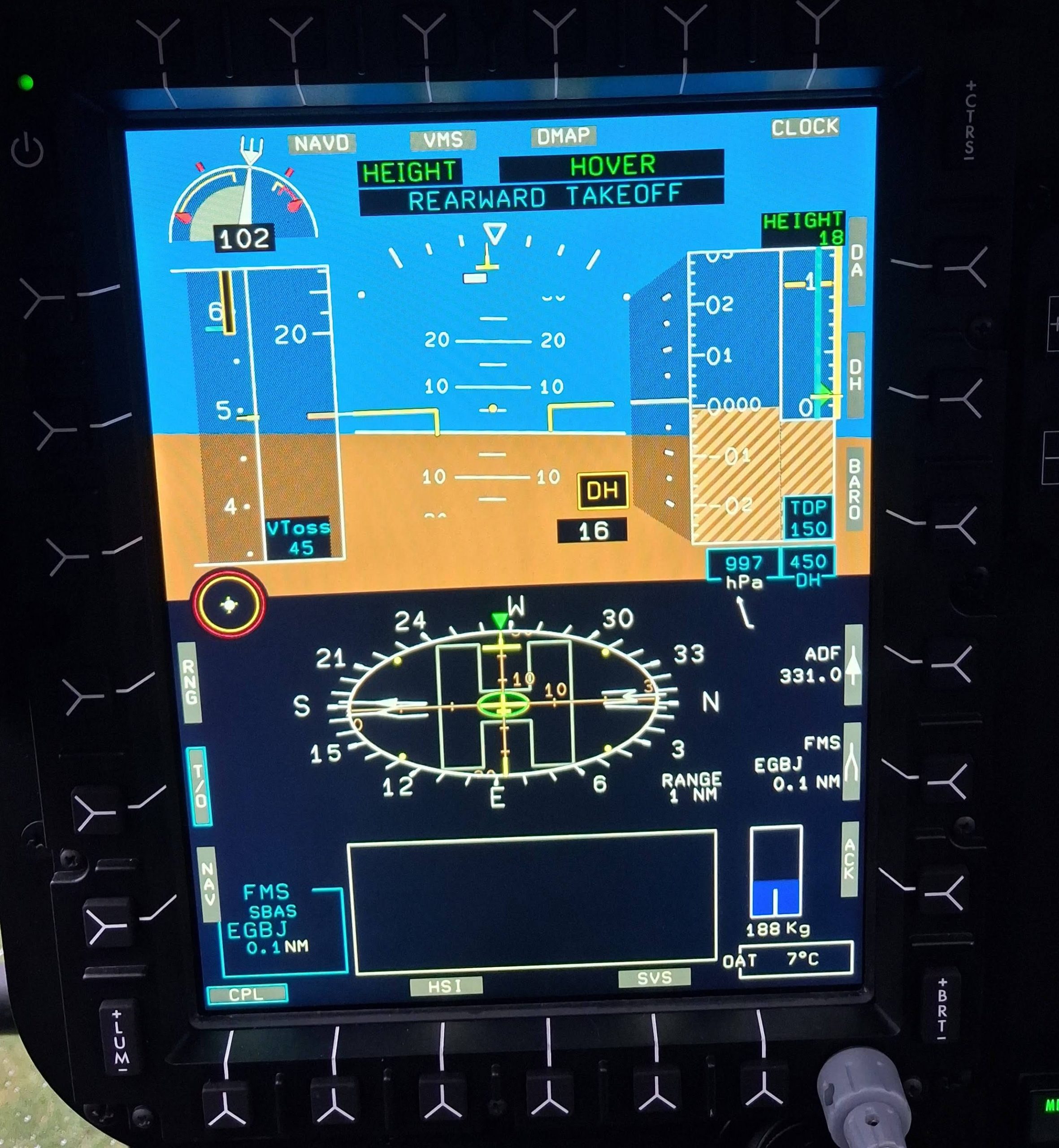
On most light twin helicopters an autopilot is either part of the basic equipment or is available as a manufacturer option. But are they created equal or has Airbus’ Helionix-based Automatic Flight Control System (AFCS) won the race? In this article, we look at the current state of play for light twin helicopter AFCS and…
-
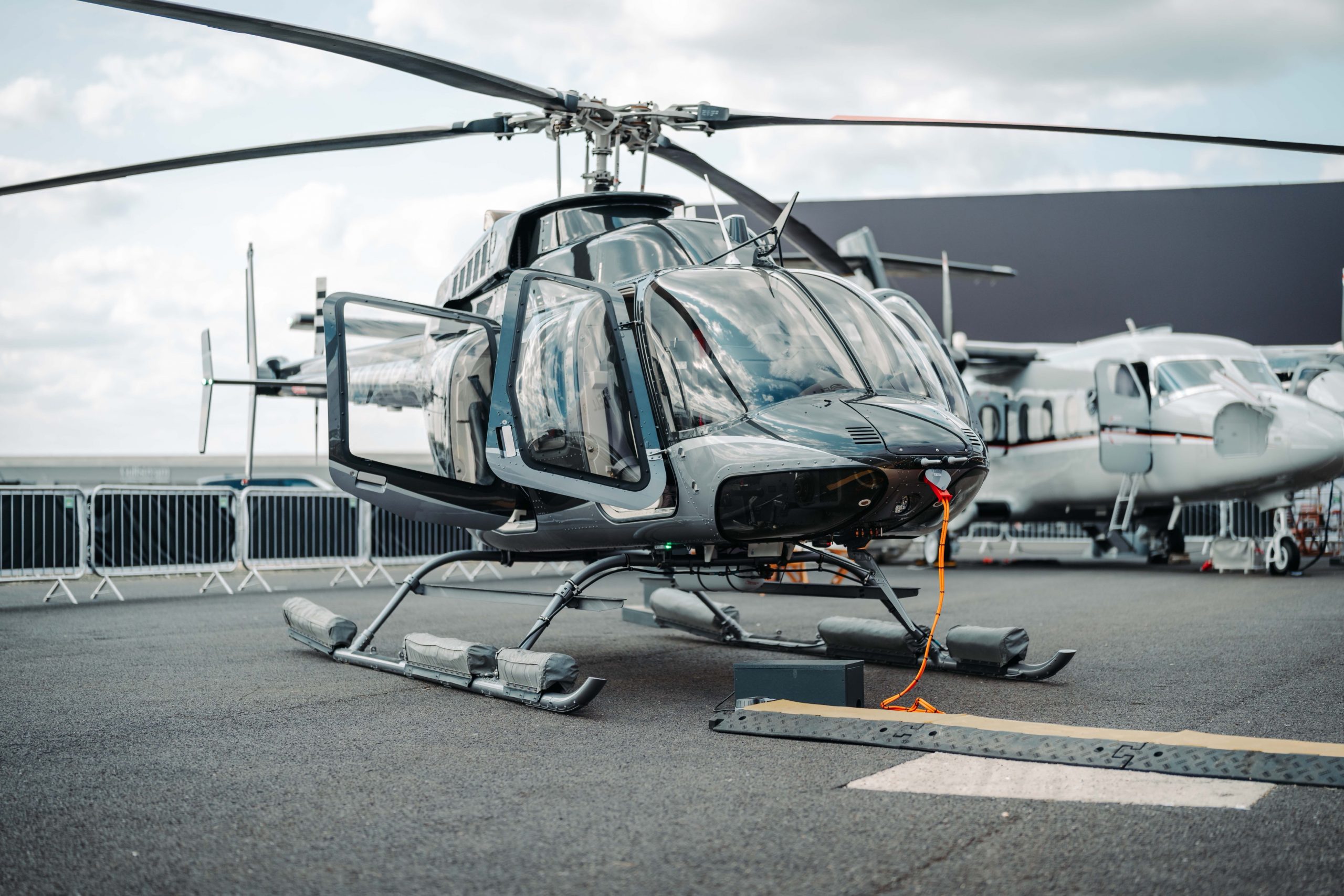
Bell Helicopters recently announced the sale of the first single engine IFR-configured Bell 407 GXi in the UK. This represents a significant step forward for UK helicopter IFR operations as there is currently only one other, much older, single-engine IFR certified helicopter in the entire UK civilian fleet. The availability of capable, single-engine IFR machines…
-
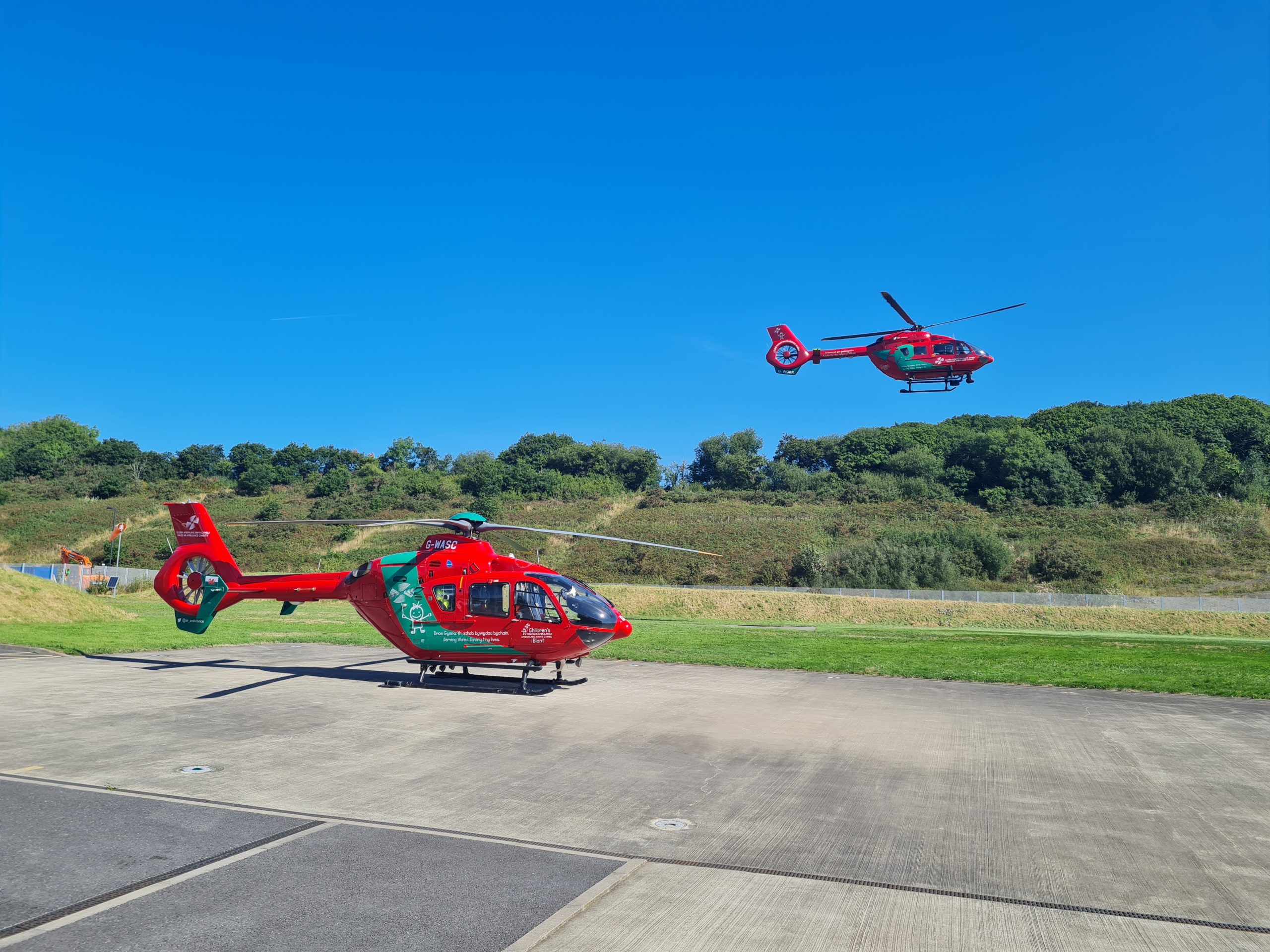
In the not too distant future, provided the manufacturers can cross the certification finish line, we may see eVTOL flying around our cities and towns. To ensure the safety of 3rd parties is protected, the certification of these VTOL will need to consider what happens if something fails on the aircraft. Helicopter certification considers the…
-
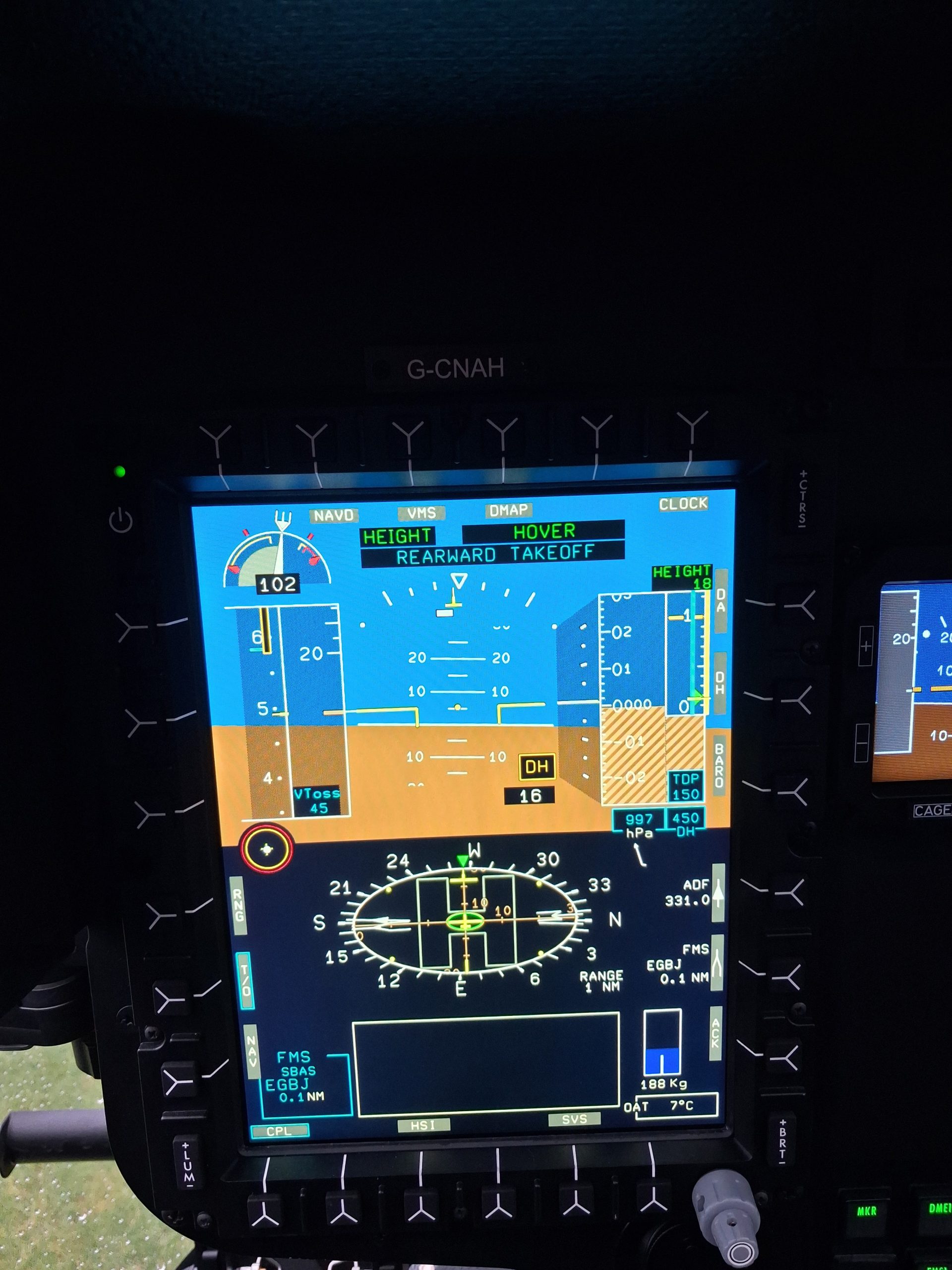
Automated take offs are now a reality on commercially available helicopters including the H145, H160 and H175 with the latest Helionix software. Given pilots have successfully been taking off without such automation for years are these new systems unnecessary complexity or should they be standard fit for future helicopters? In this article we look at…
-

Loss of control of helicopters when in Instrument Meteorological Conditions (IMC) has sadly taken the lives of far too many helicopter crews. Whilst many of these incidents have been when non-instrument pilots inadvertently entered cloud, there are several accidents where instrument rated pilots have lost control. Training of instrument rated pilots in Unusual Attitude (UA)…
-

Contents Introduction Some helicopters fly beautifully without any flight control automation or stabilisation systems. The Gazelle was one such aircraft and a reasonably competent pilot could achieve amazing accuracy in IMC with just basic instruments. However, in this modern age, automation has become the norm and in many operations, being coupled up to an autopilot…
-
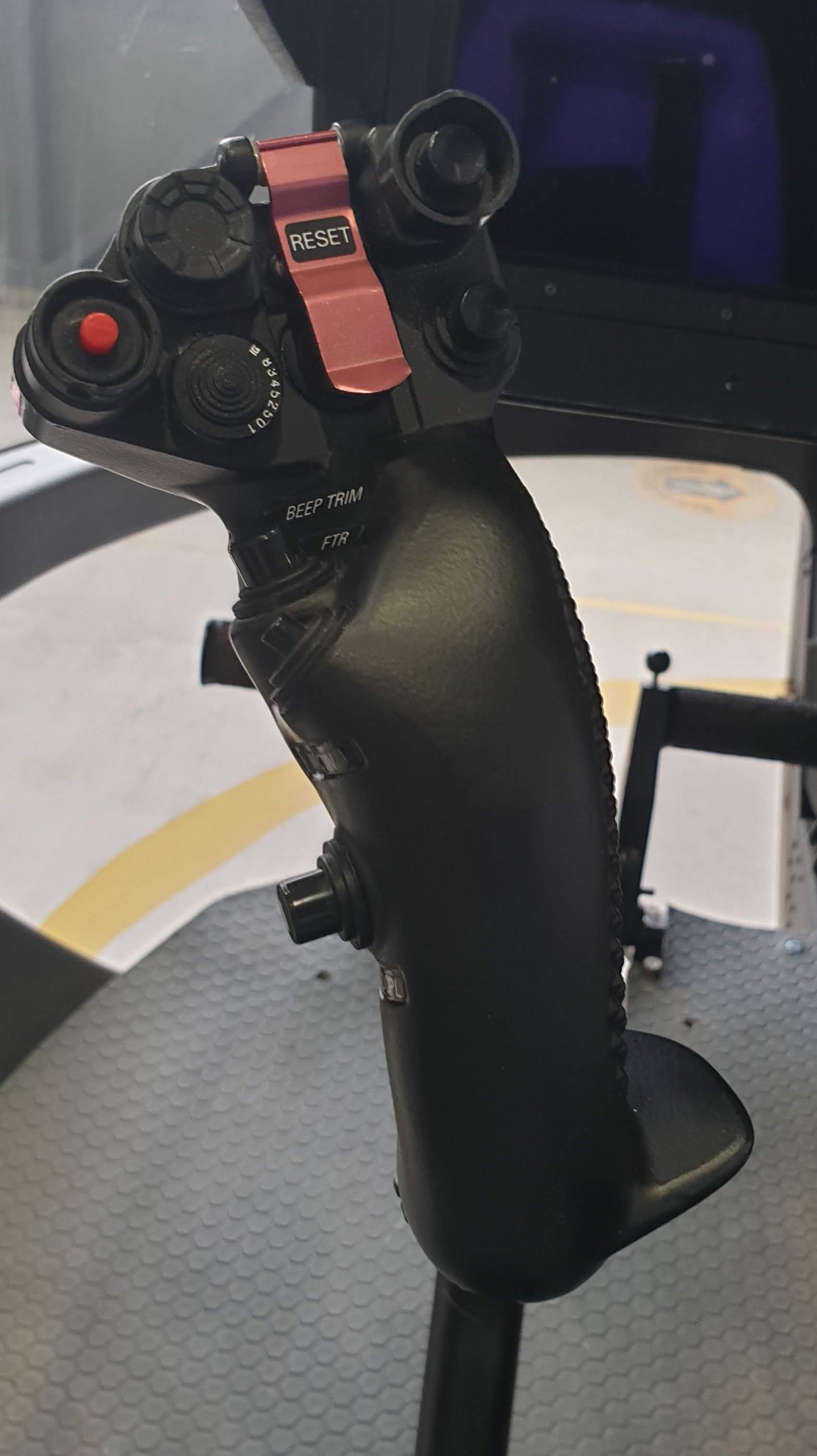
Introduction The EC135 SAS DCPL or SAS/AP CUT button is a red semi-guarded button on the head of the cyclic used to disengage all elements of the autopilot and stabilisation system simultaneously. Pressing the button usually gives fairly benign results when flying visually but if it is pressed in fully coupled instrument flight, it can…