
Category: Aircraft Operations
-
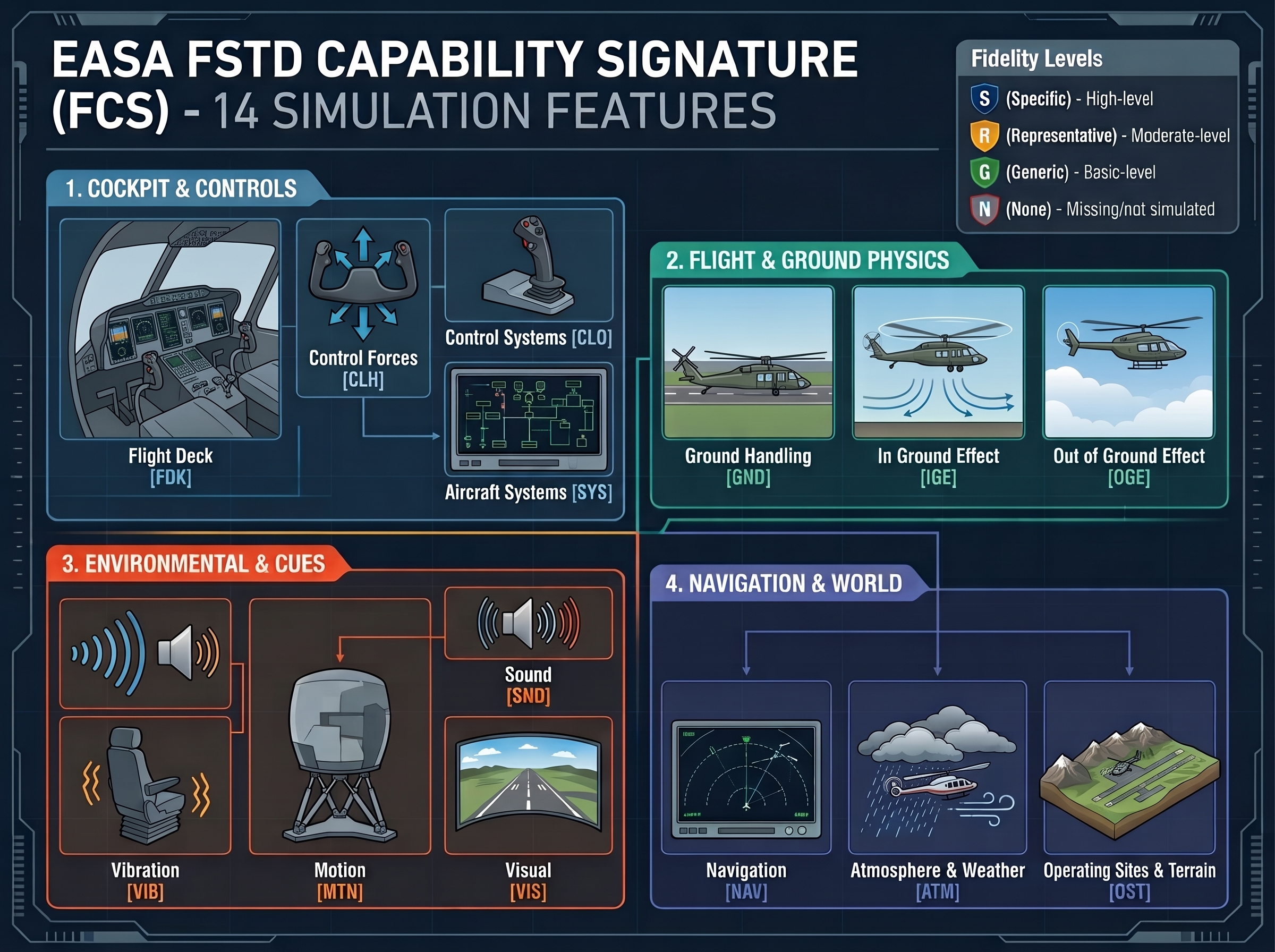
EASA has recently published its new rules for the certification of Flight Simulation Training Devices (FSTD). We covered the introduction of the new FCS rules and regulations in our previous article. You should really read it first so you understand the new language – Flight Simulation Evolution. In that article we alluded to some issues…
-
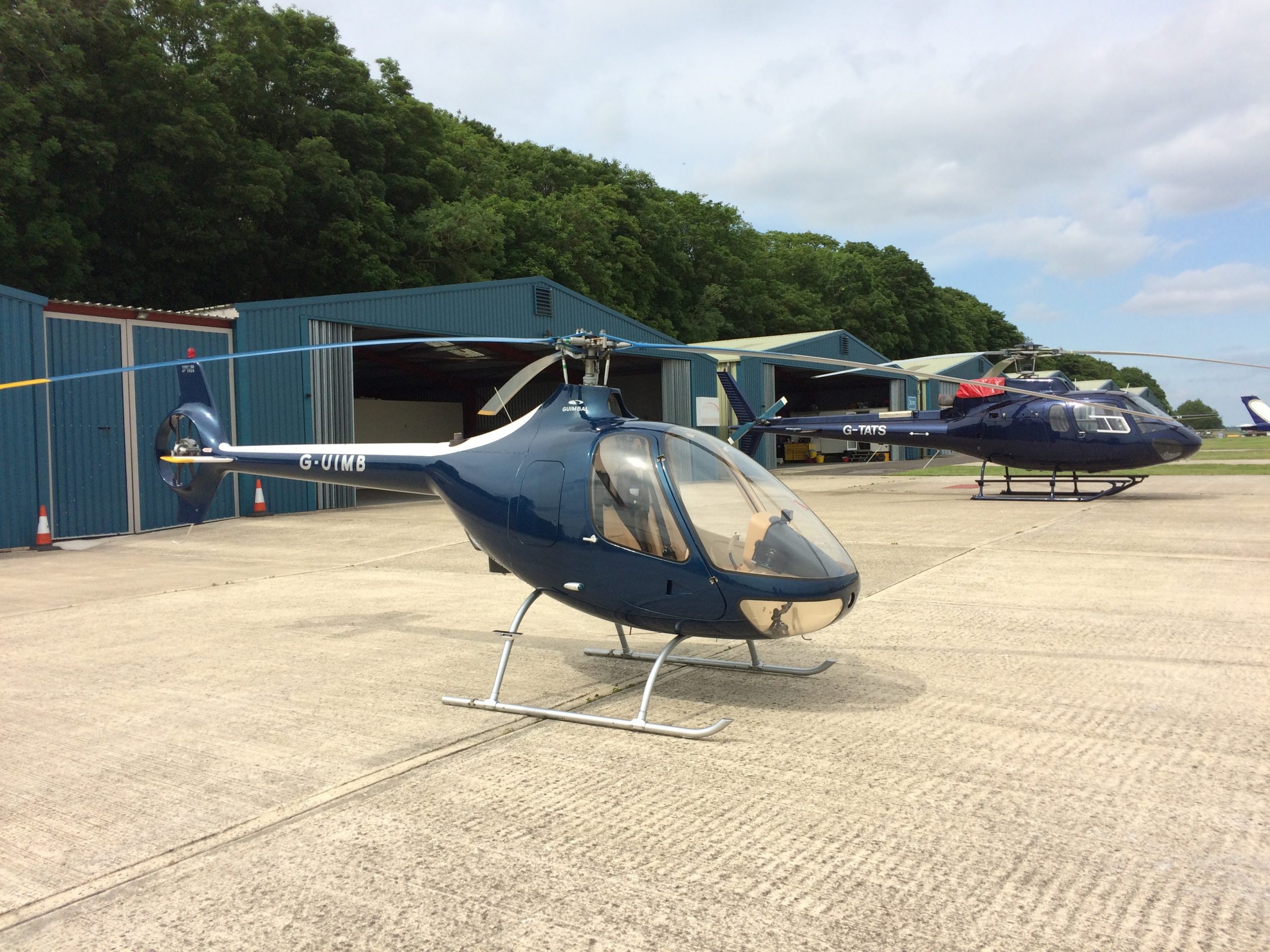
A sudden unexpected total engine power loss is a helicopter pilots worst nightmare but there is only one possible action. Get into autorotation NOW! But what if the power loss or autorotation are imminent rather than right now? How should the pilot fly the aircraft to maximise their chances of survival? In this article, we…
-
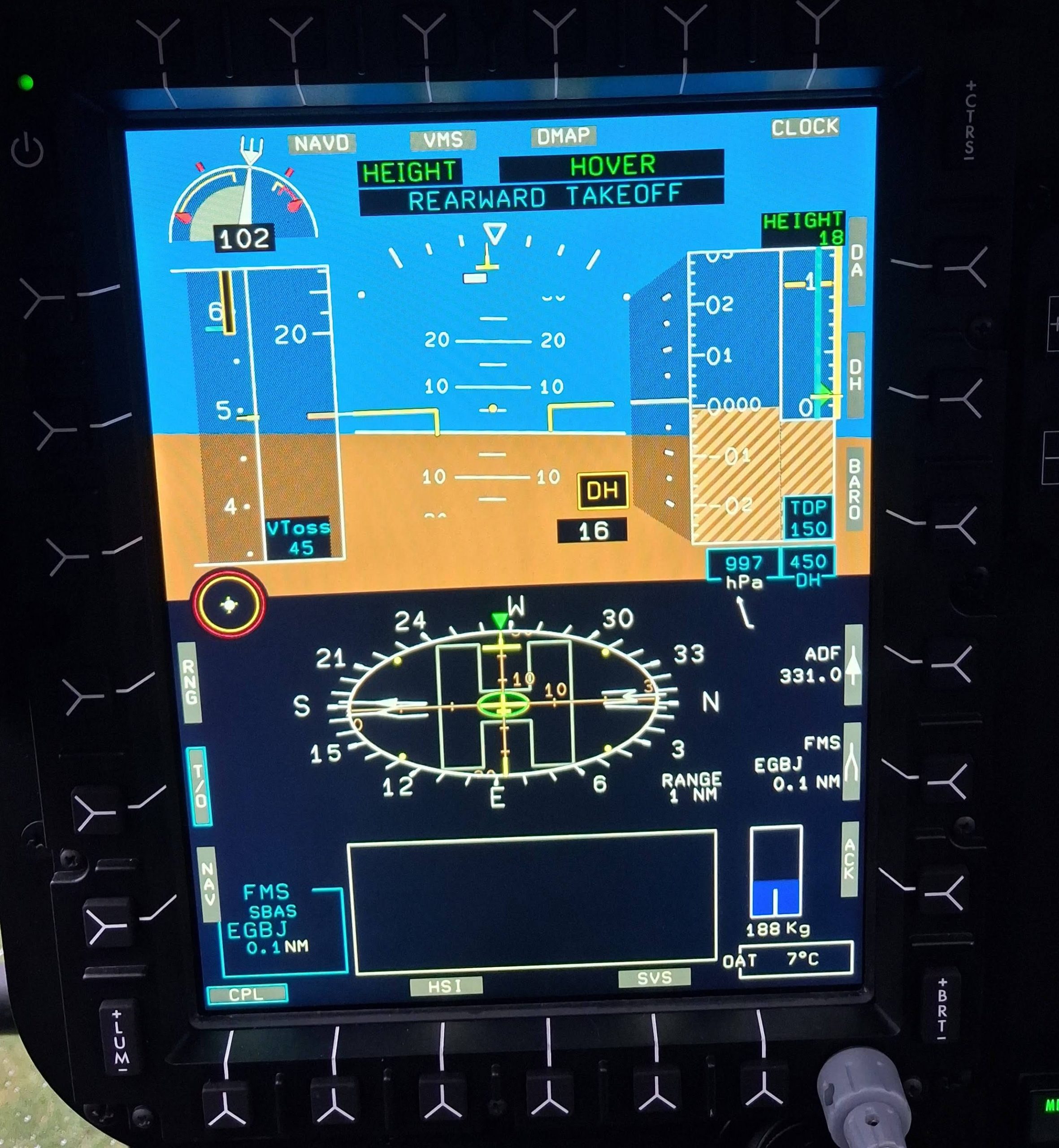
On most light twin helicopters an autopilot is either part of the basic equipment or is available as a manufacturer option. But are they created equal or has Airbus’ Helionix-based Automatic Flight Control System (AFCS) won the race? In this article, we look at the current state of play for light twin helicopter AFCS and…
-
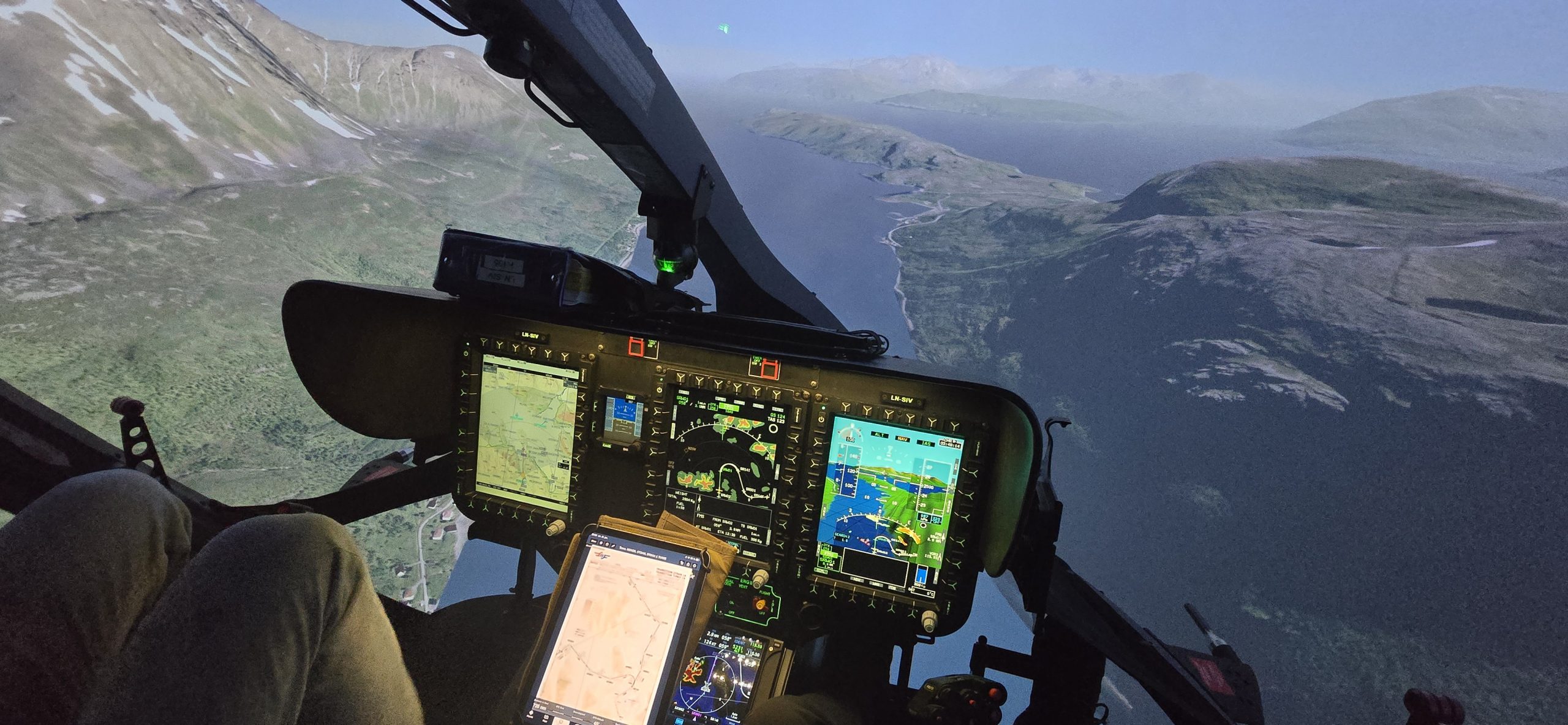
EASA has recently published a new Certification Specification for Flight Simulation Training Devices (CS-FSTD). This completely changes how FSTDs will be certified and, along with new aircrew and operations rules, will influence how training organisations and operators choose the right FSTD for their training needs. In this article we take a look at the new…
-
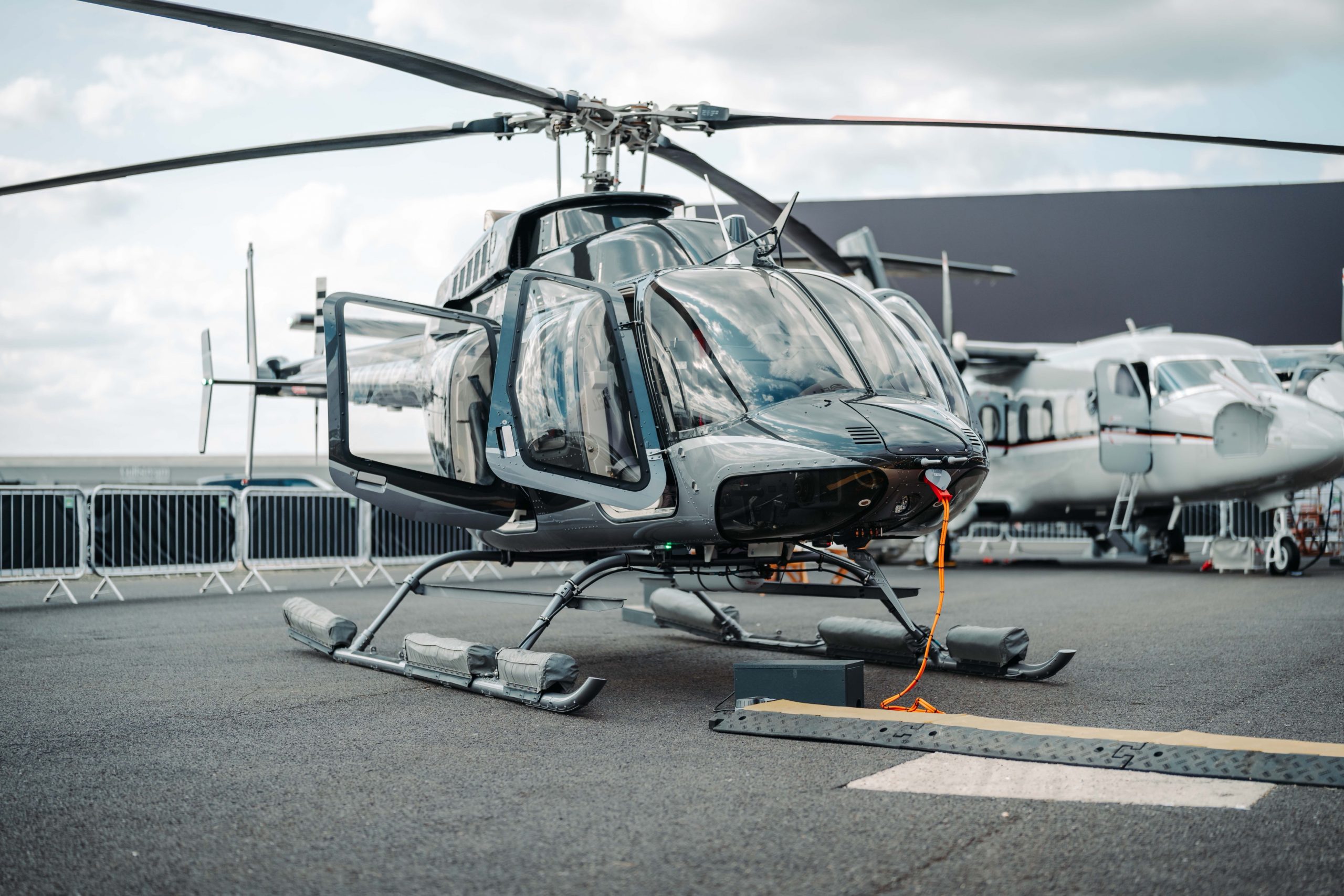
Bell Helicopters recently announced the sale of the first single engine IFR-configured Bell 407 GXi in the UK. This represents a significant step forward for UK helicopter IFR operations as there is currently only one other, much older, single-engine IFR certified helicopter in the entire UK civilian fleet. The availability of capable, single-engine IFR machines…
-
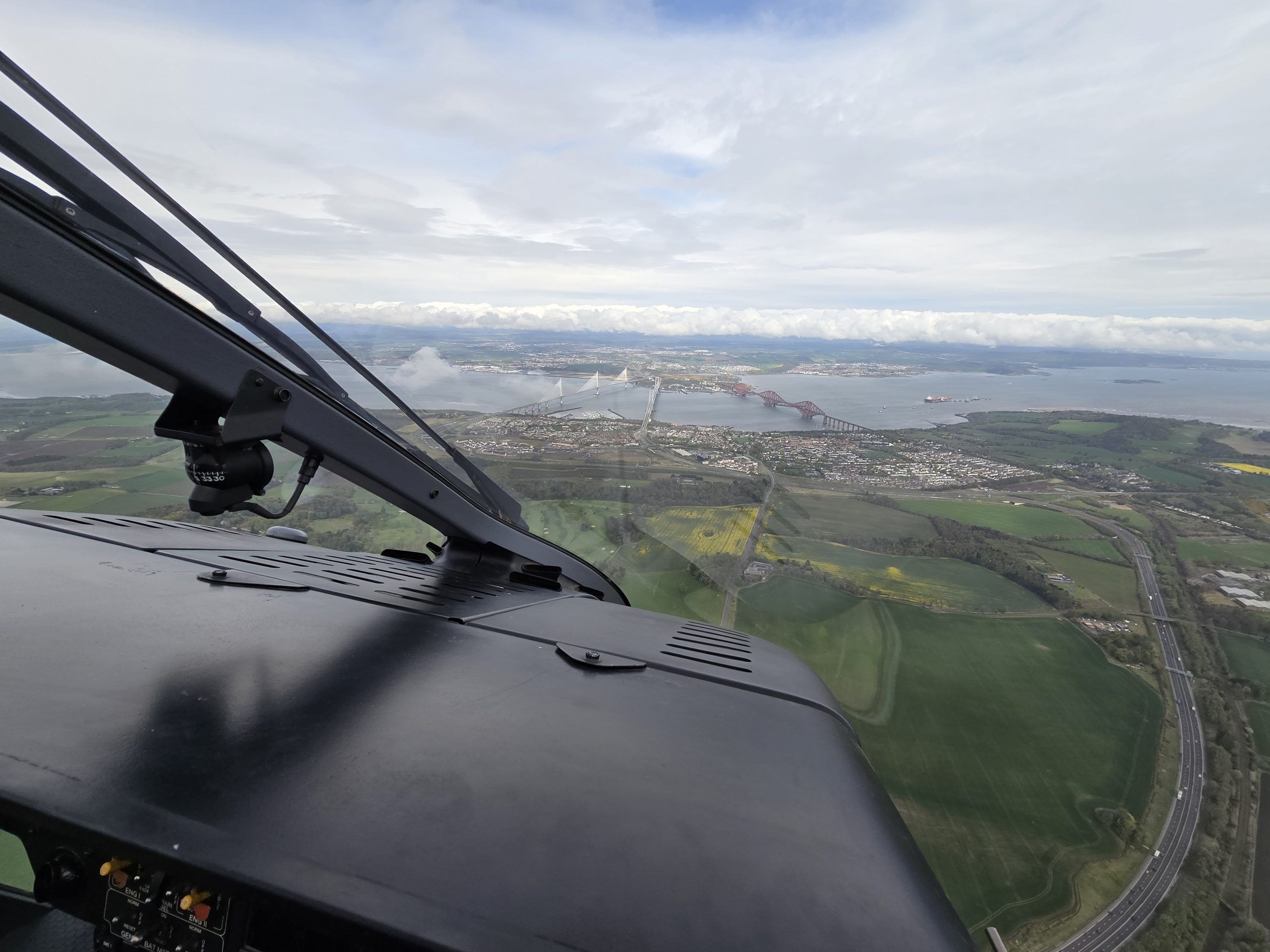
On some instrument approach charts there is a choice of approach minimum altitudes dependent on the climb gradient in the go around phase. In this article we look at why different gradients make a difference and how pilots can use the performance manual to select the right minimums for their approach. We focus on helicopters…
-

Tucked away in the instructor regulations are a handful of rules that are, frankly, inexplicably inconsistent — leaving helicopter instructors dealing with restrictions their aeroplane counterparts never have to think about. In this article, we highlight some of the most unnecessarily restrictive rotary wing requirements and outline practical, common‑sense fixes that would bring them back…
-
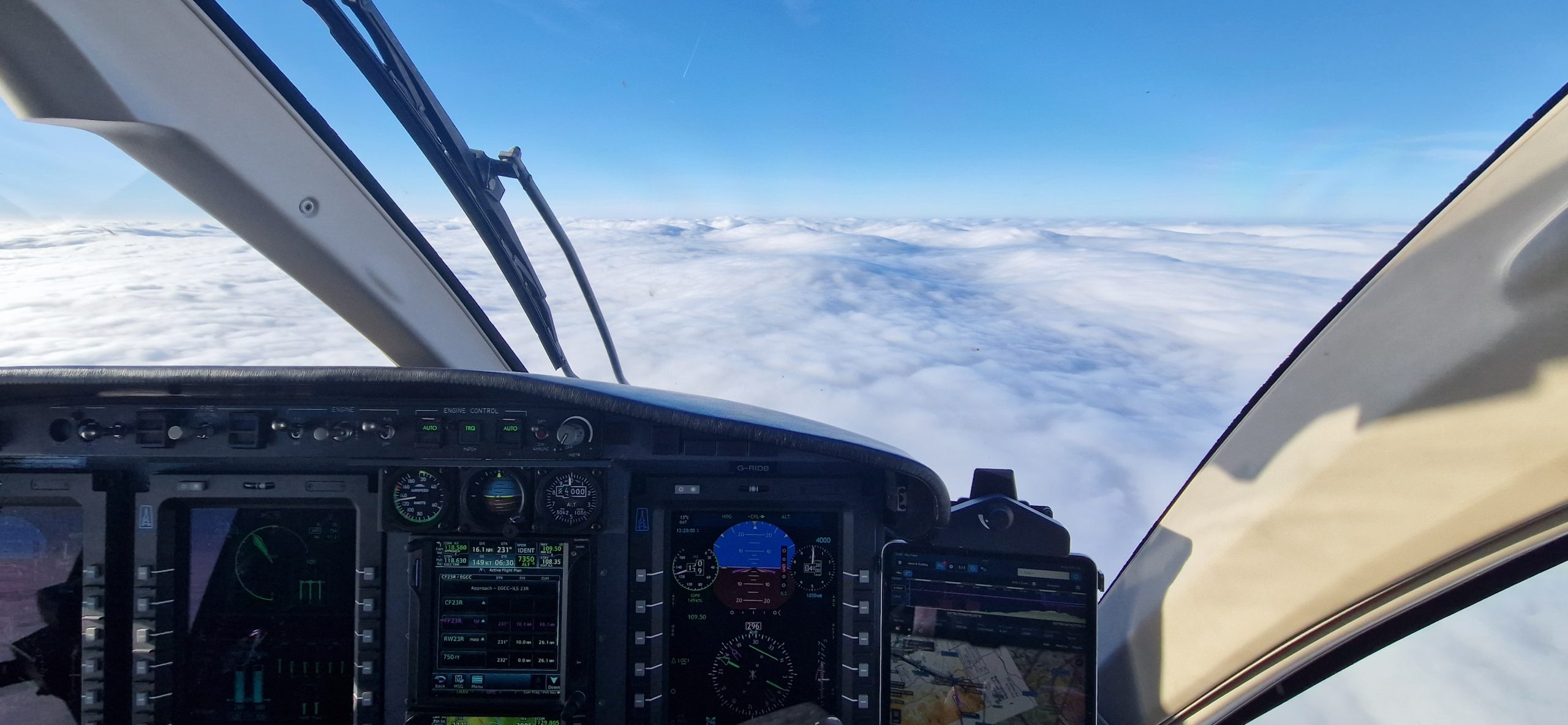
In both the fixed wing and rotary wing worlds, a particular qualification is required to deliver training towards issue of an initial Instrument Rating (IR) – The Instrument Rating Instructor (IRI). However, due to a quirk with the aircraft used in training for an instrument rating, creating and sustaining IRI is much more difficult in…
-
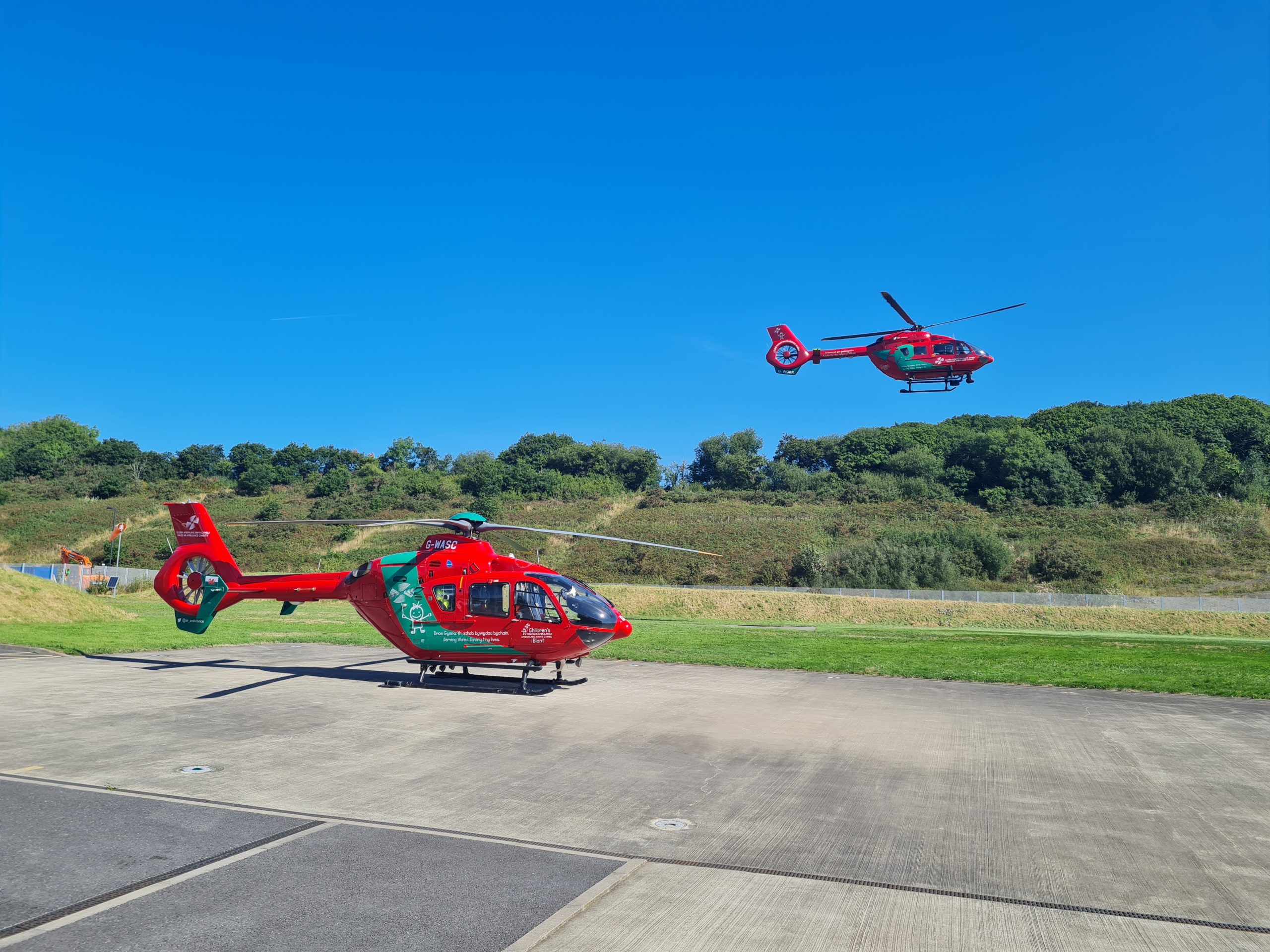
In the not too distant future, provided the manufacturers can cross the certification finish line, we may see eVTOL flying around our cities and towns. To ensure the safety of 3rd parties is protected, the certification of these VTOL will need to consider what happens if something fails on the aircraft. Helicopter certification considers the…
-
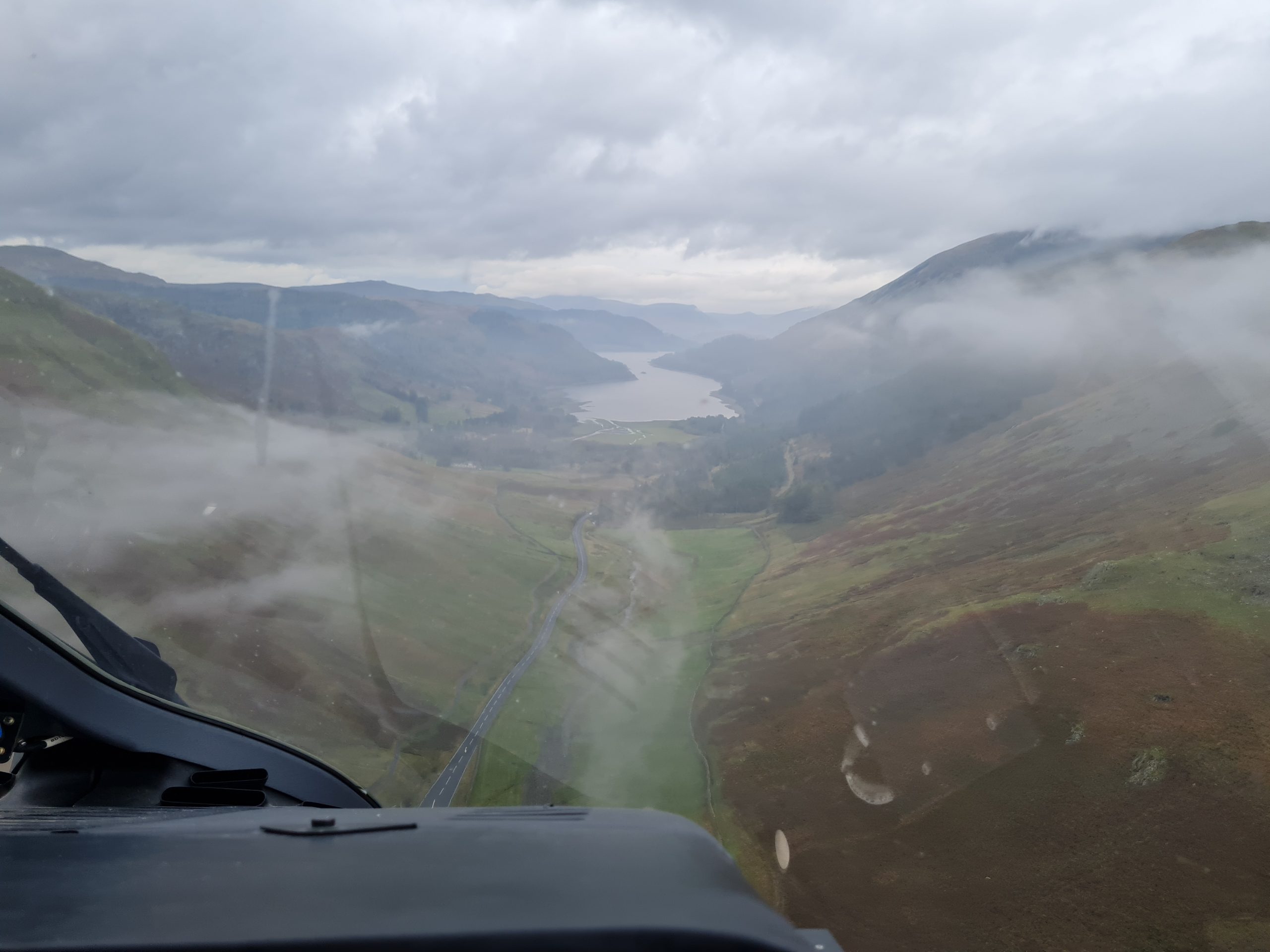
Aviation is a complicated business, requiring complicated rules. In the field of Helicopter Emergency Medical Services (HEMS) the rules for weather limits are complex but have they become too confusing, leading to mis-understanding and a normalisation of deviance? In this article we look at the current state of play for UK weather operating limits for…