
Category: Aircraft Operations
-

First Limit Indicators (FLI) or Power Situation Indicators (PSI) are displays in glass-cockpit helicopters which bring together all the engine power parameters into one simple display. These displays can dramatically lower the workload of a pilot, giving a single visual indication of the power state of the aircraft relative to its limits. FLI and PSI…
-
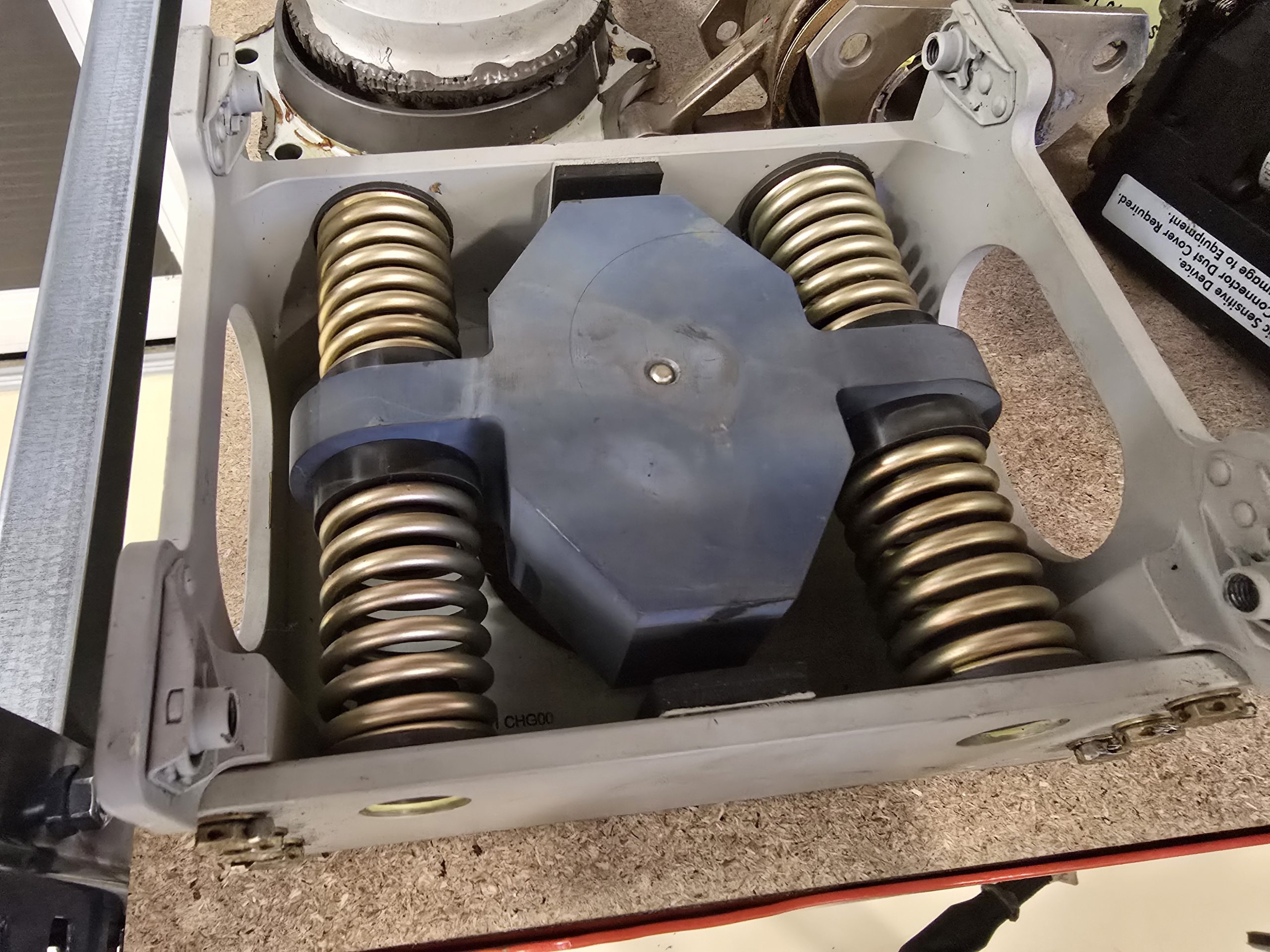
In the modern helicopter era, some helicopters have Flight Data Monitoring (FDM) and Helicopter Usage Monitoring Systems (HUMS). This means engineering teams have vast amounts of data to diagnose issues with helicopters. However, many helicopters do not have these systems. In other cases, a pilot’s experience of a fault can unlock the solution to a…
-
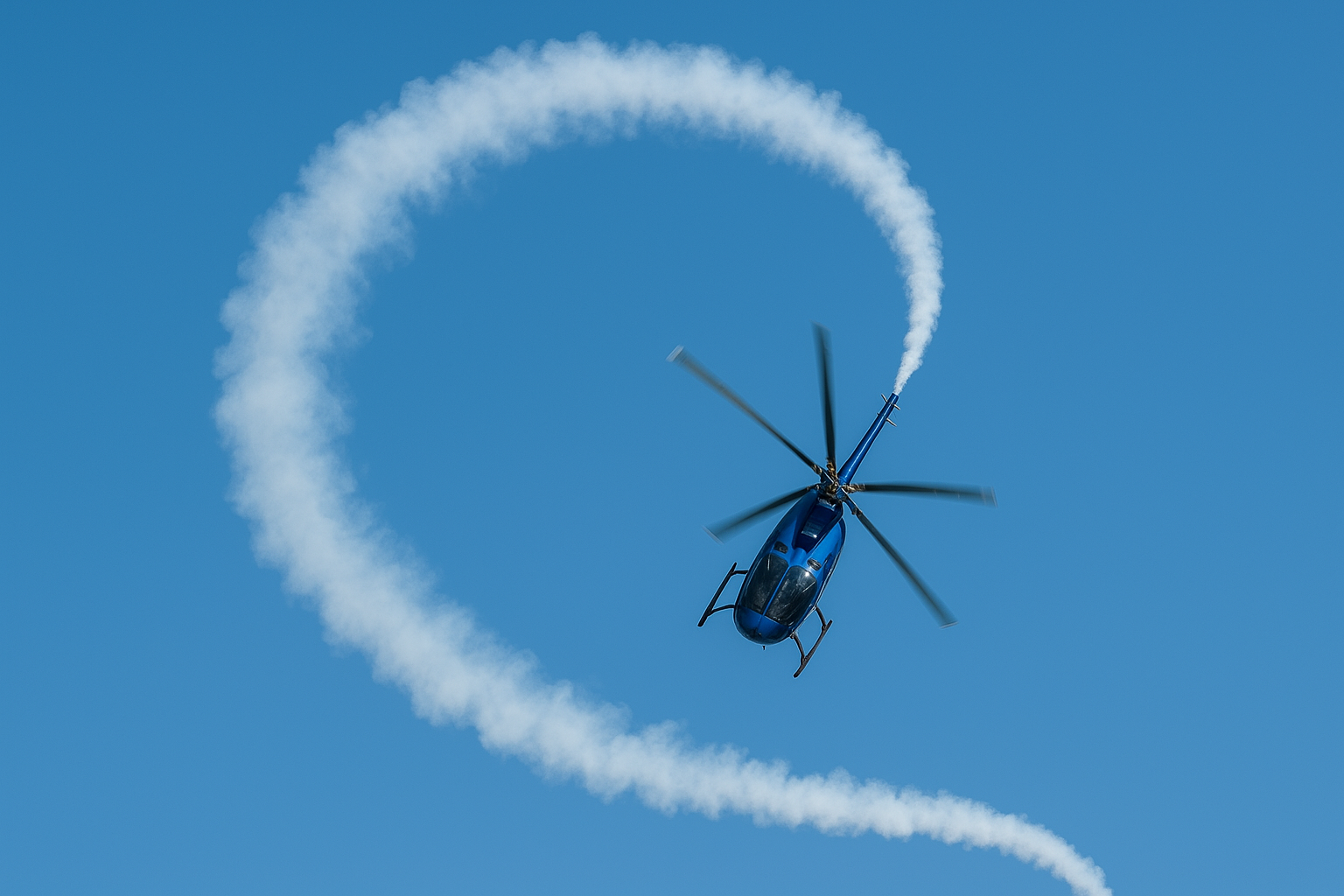
Loss of control of helicopters when in Instrument Meteorological Conditions (IMC) has sadly taken the lives of far too many helicopter crews. Whilst many of these incidents have been when non-instrument pilots inadvertently entered cloud, there are several accidents where instrument rated pilots have lost control. Training of instrument rated pilots in Unusual Attitude (UA)…
-
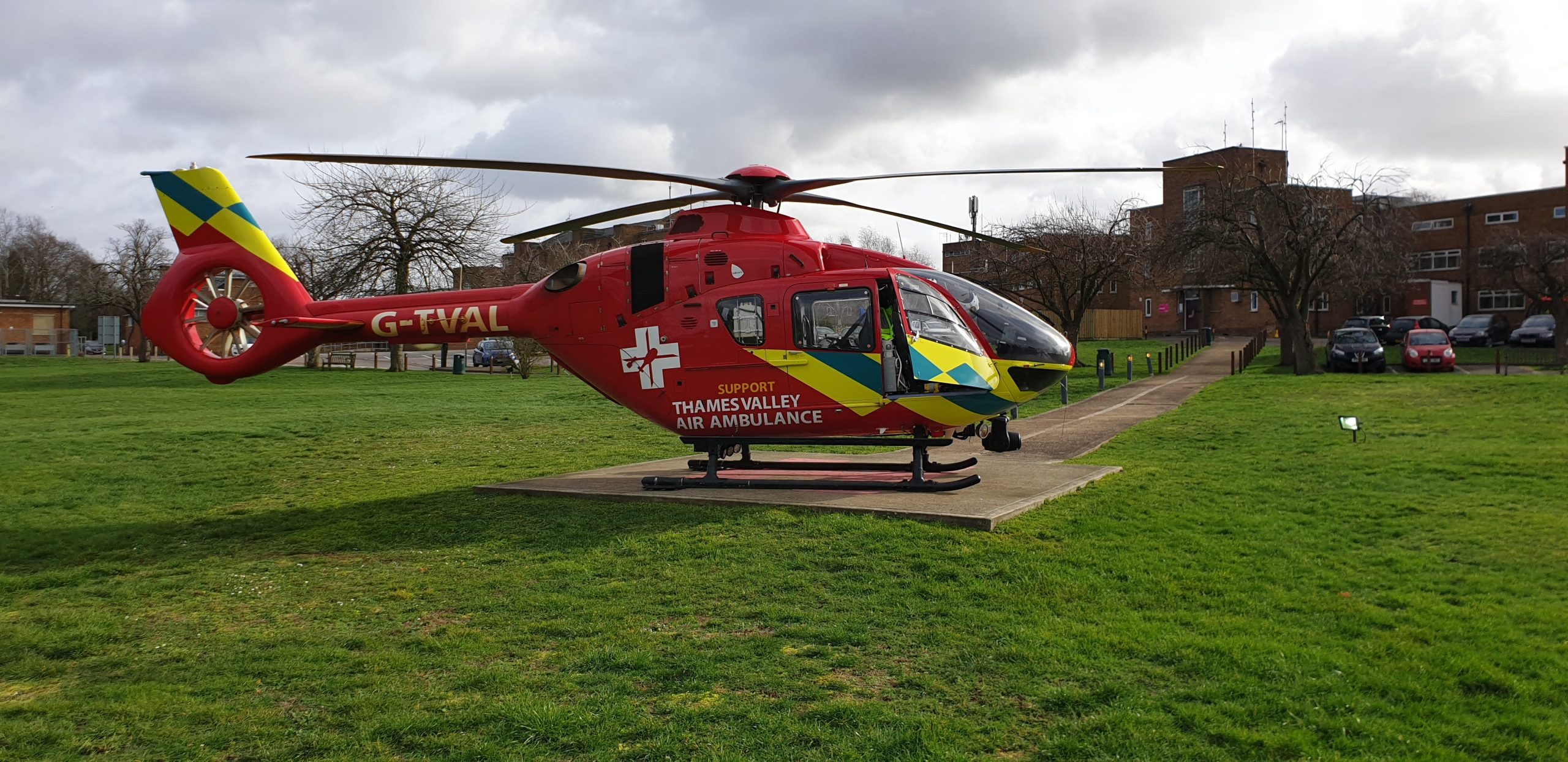
For helicopter onshore operations at known landing sites, an accurate survey can de-risk operations and can be distilled down for the crew to use into a Company Landings Site Directory (CLSD). Various levels of scrutiny can be applied, with more rigorous surveys giving fewer restrictions than just an estimation taken by a customer. The survey…
-
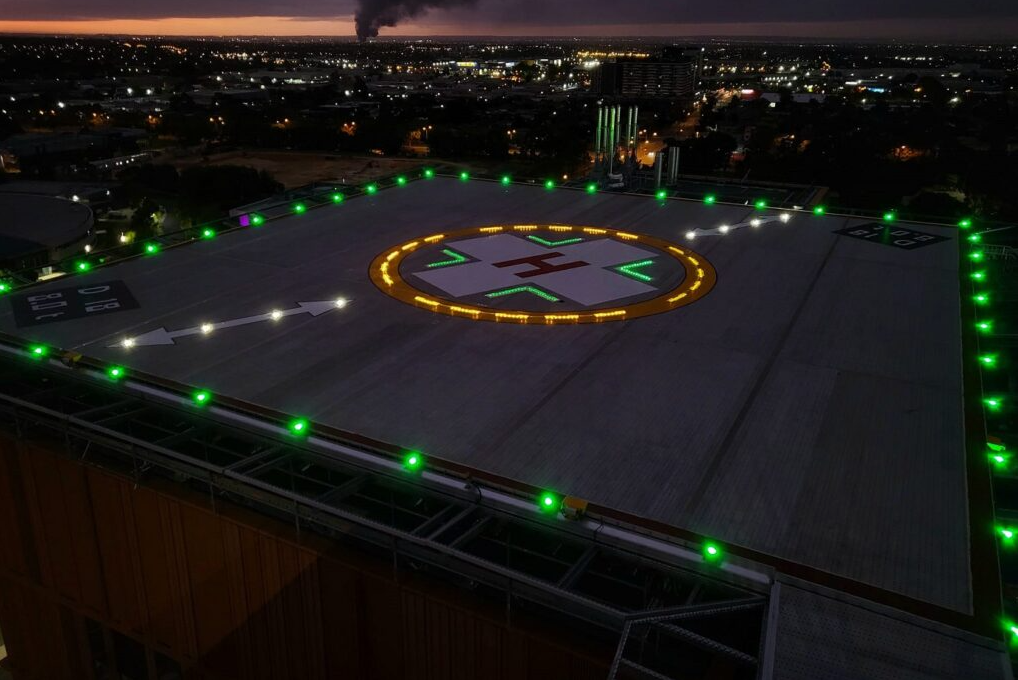
The UK CAA have developed a lighting scheme for hospital helipads in CAP 1264 which is based on the standard for offshore helicopter landing site marking. This offshore scheme is published in CAP 437 and is based on hard won lessons in safely operating helicopters to offshore helidecks (see here) and the principles outlined in…
-
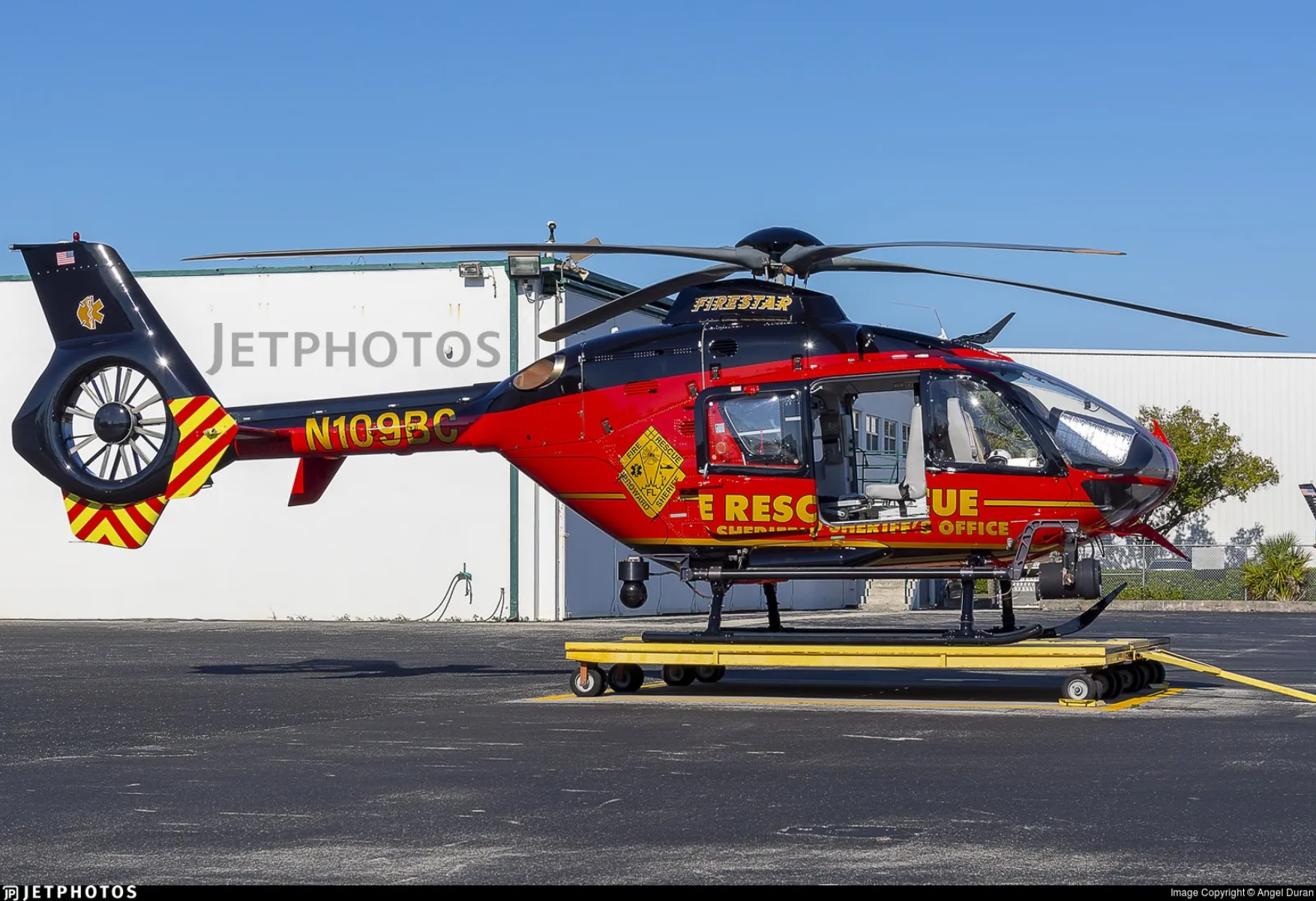
On 28 August 2023 at 0844, N109BC, an EC135 T1 helicopter, crashed in Pampano Beach, Florida killing Captain Terryson Jackson, a paramedic in the aircraft, and one person on the ground. The other paramedic and the pilot were injured and 2 other people on the ground were also injured. The accident report was released by…
-
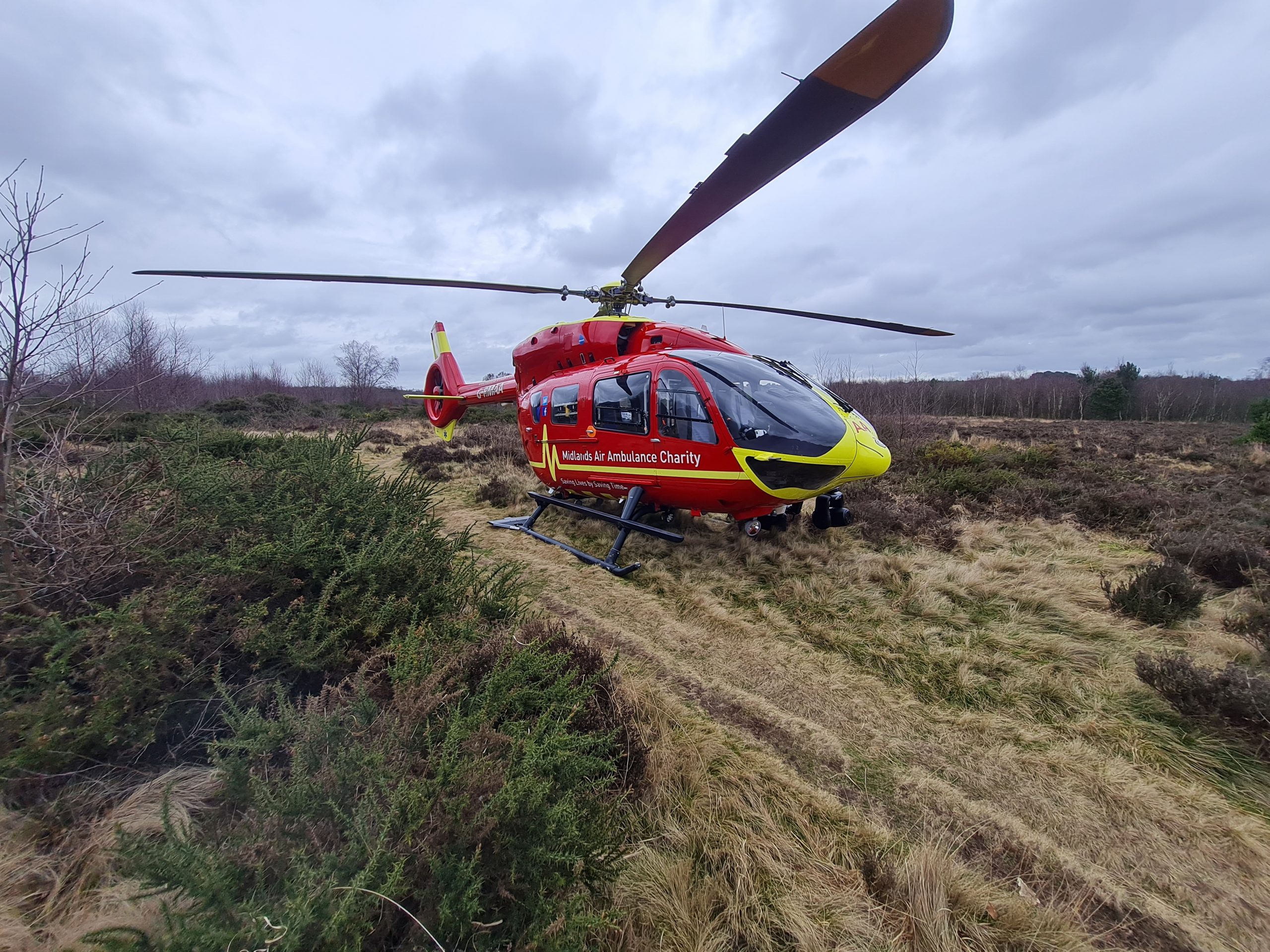
The choice of helicopter for HEMS (Helicopter Emergency Medical Service) operations is a difficult one. Whilst cost is a huge factor, there are many subtle elements which go into the selection of a helicopter. This article aims to explore those options and present what an ideal HEMS aircraft would be. In the near future, another…
-
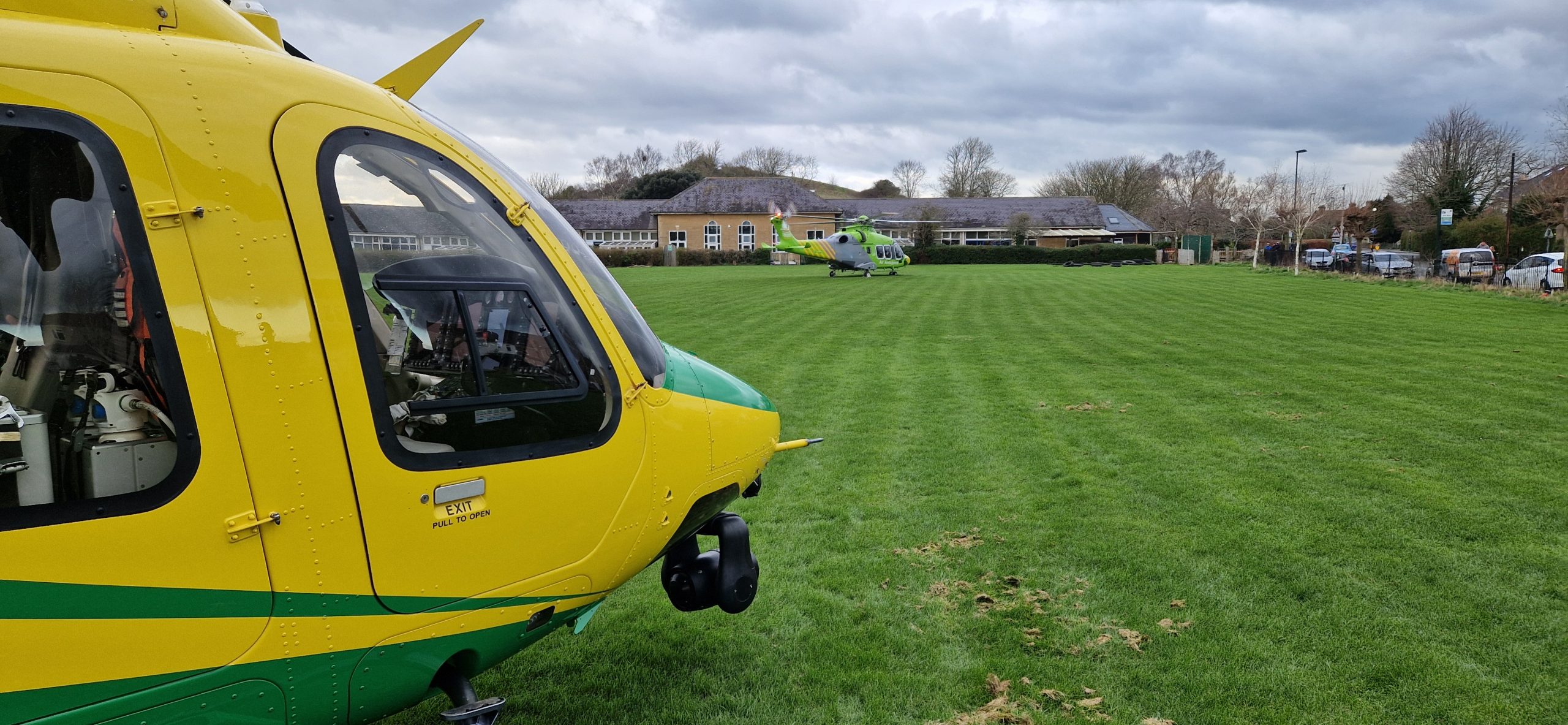
Contents The need for separation Typically, a helicopter used in the Helicopter Emergency Medical Service (HEMS) has a crew that can manage one critically ill patient at a time. Where an incident has multiple casualties needing a critical care response, multiple helicopters can be tasked to the same incident. In addition, other types of emergency…
-

In an earlier article, I discussed how big a landing site needed to be for UK and European Helicopter Emergency Medical Service (HEMS) operations. However, this is only part of the story and there is a lot more to choosing a landing site than just the size. Whilst this article is primarily focussed on UK…
-

“How on earth did I get here?” IMC, 36 kg of fuel in the main tank before minimums and facing a lengthy period of radar vectoring to get lined up for an approach. I had planned in detail, applied Threat and Error Management (TEM) and been supported by the rest of the company along the…