
Tag: EC135
-
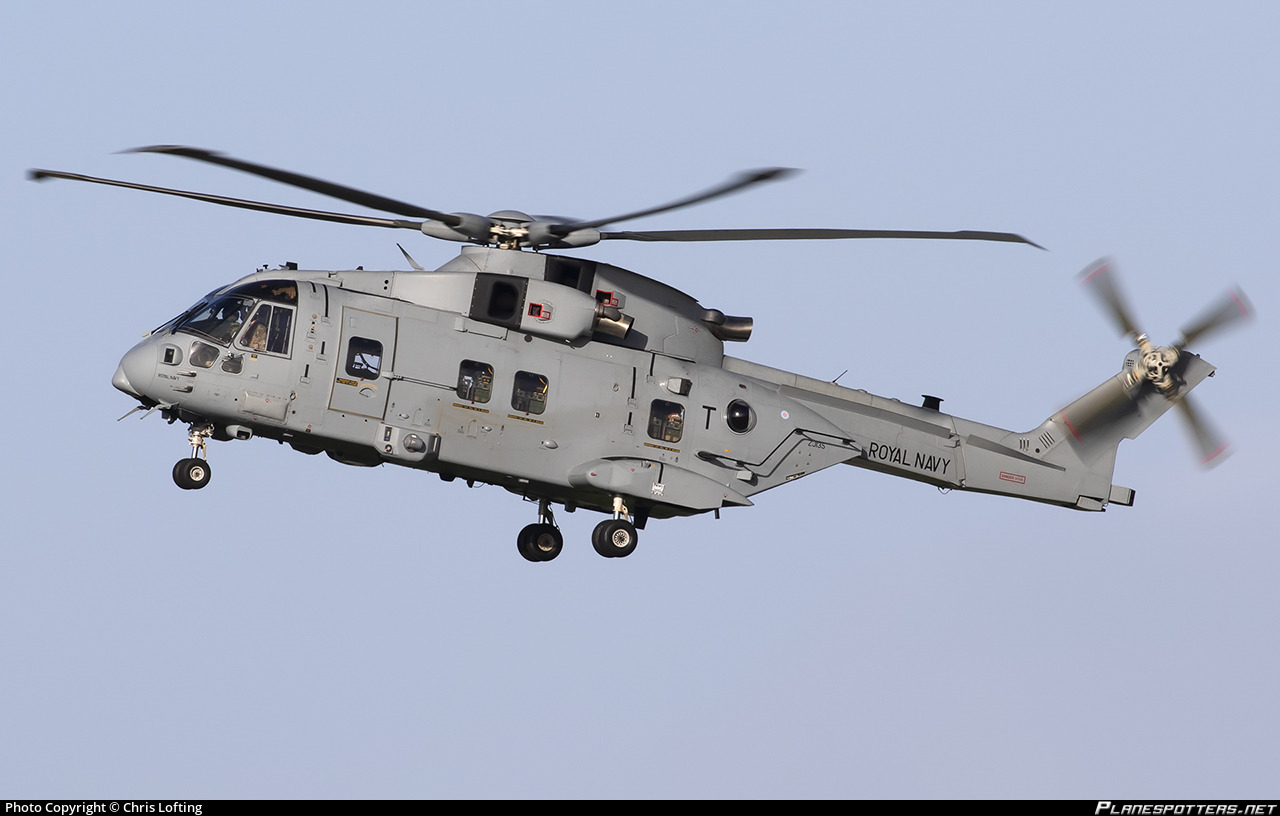
Recent accident reports have highlighted that understanding what has gone wrong is fundamental to safely managing emergencies in multi-engine helicopters. Whilst type specific training is essential, there are some general principles which can be applied to all multi-engine helicopter engine emergencies. In this article, we look at what can go wrong with helicopter engines and…
-
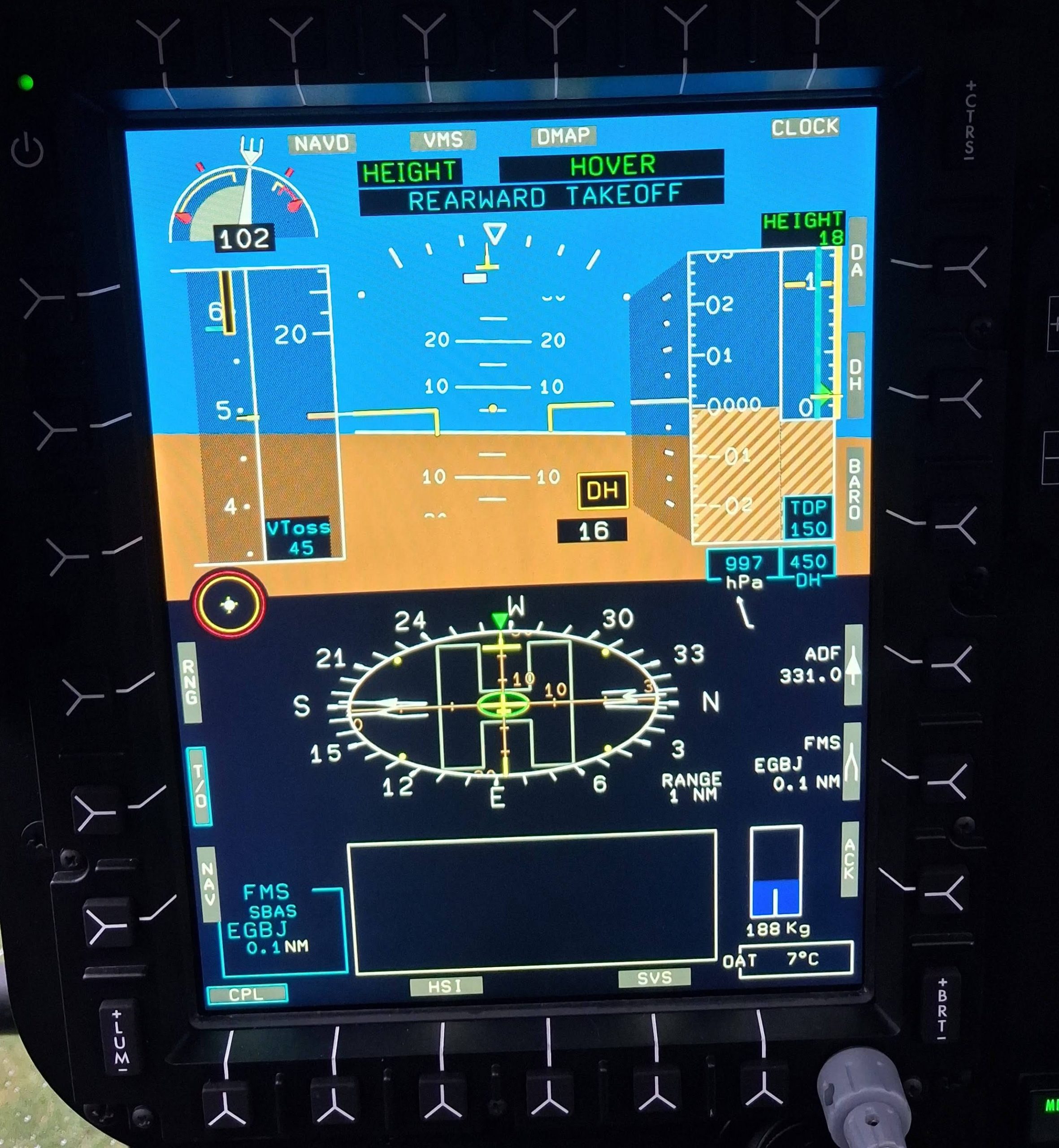
On most light twin helicopters an autopilot is either part of the basic equipment or is available as a manufacturer option. But are they created equal or has Airbus’ Helionix-based Automatic Flight Control System (AFCS) won the race? In this article, we look at the current state of play for light twin helicopter AFCS and…
-
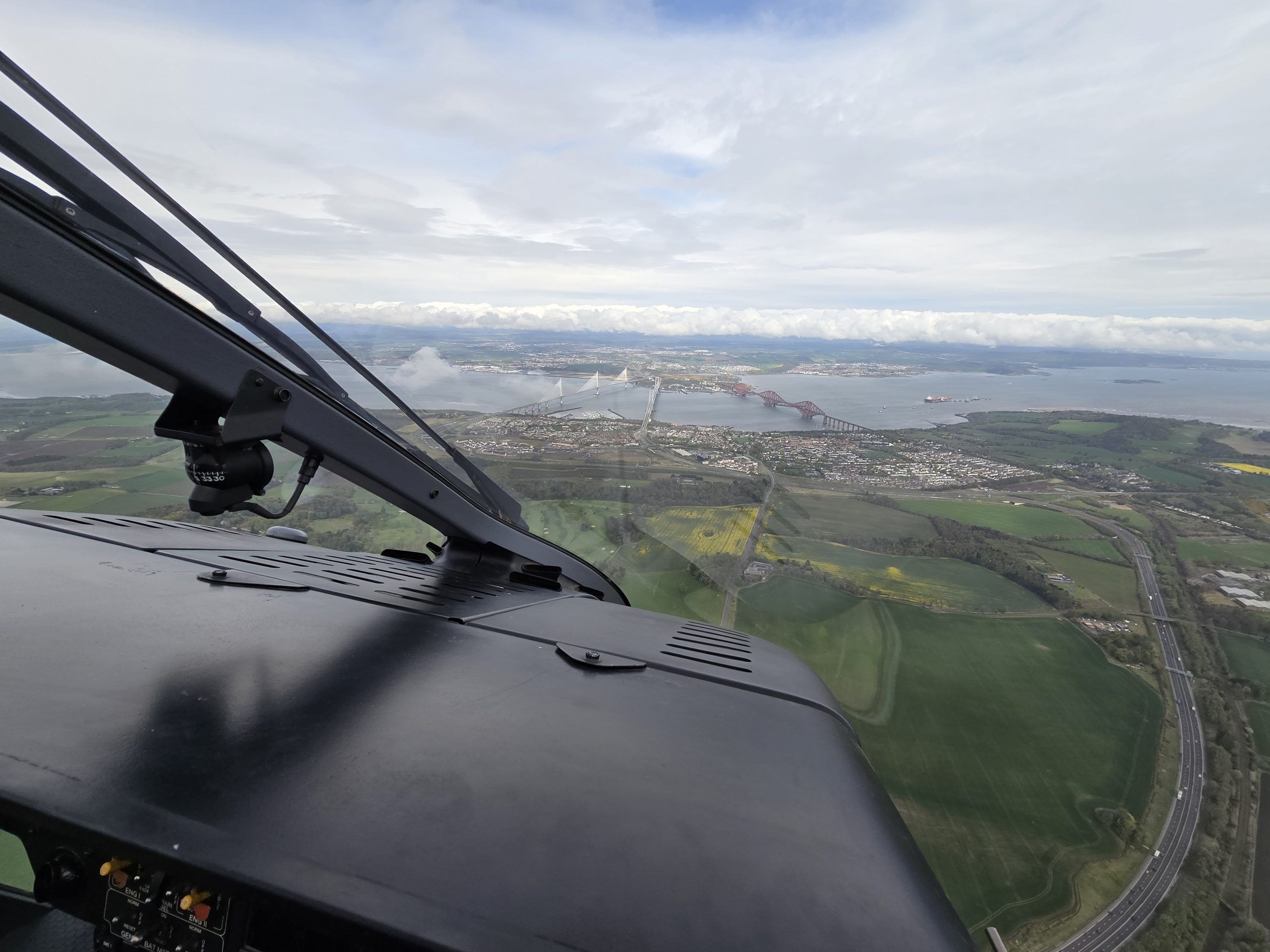
On some instrument approach charts there is a choice of approach minimum altitudes dependent on the climb gradient in the go around phase. In this article we look at why different gradients make a difference and how pilots can use the performance manual to select the right minimums for their approach. We focus on helicopters…
-
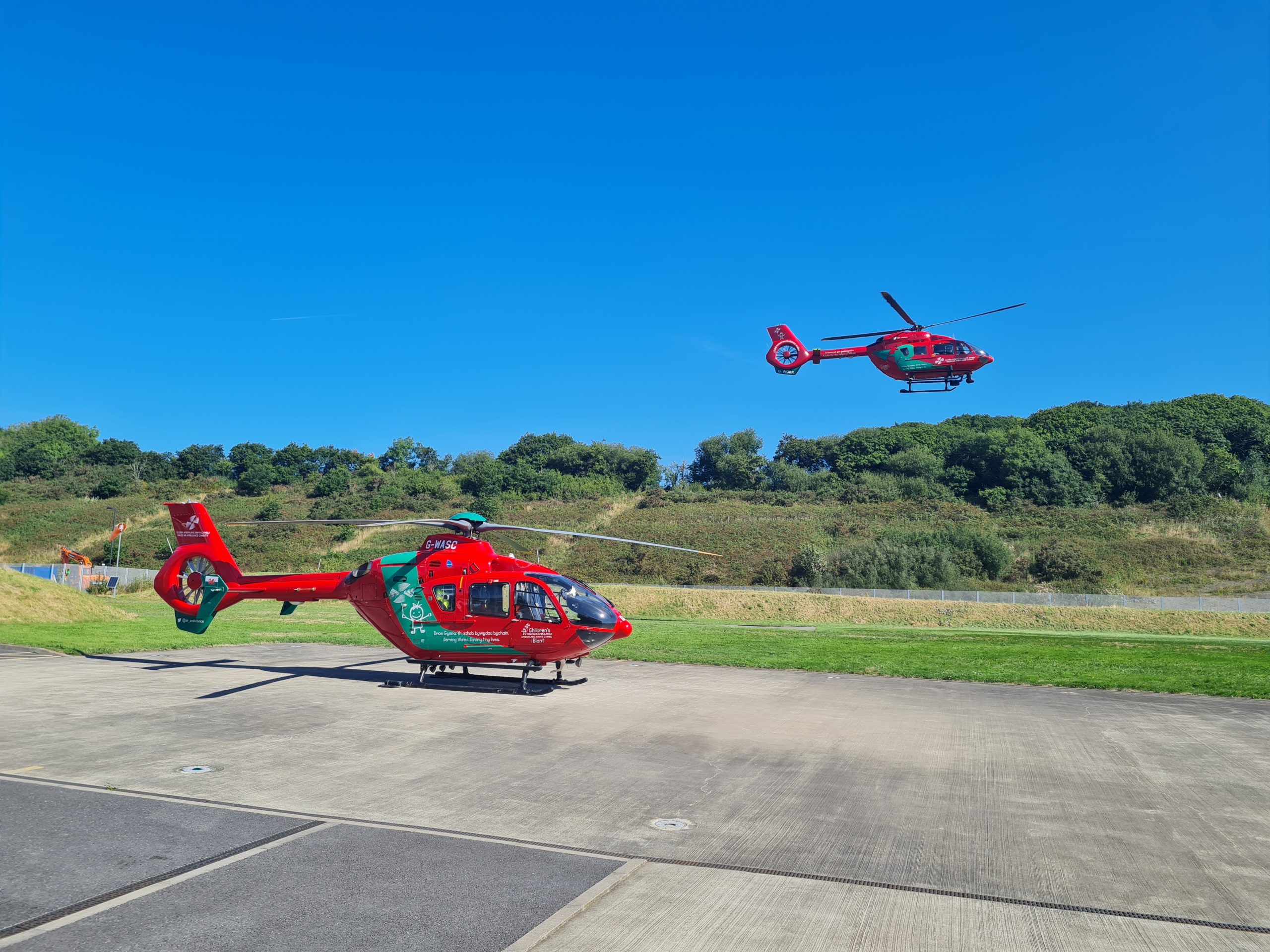
In the not too distant future, provided the manufacturers can cross the certification finish line, we may see eVTOL flying around our cities and towns. To ensure the safety of 3rd parties is protected, the certification of these VTOL will need to consider what happens if something fails on the aircraft. Helicopter certification considers the…
-
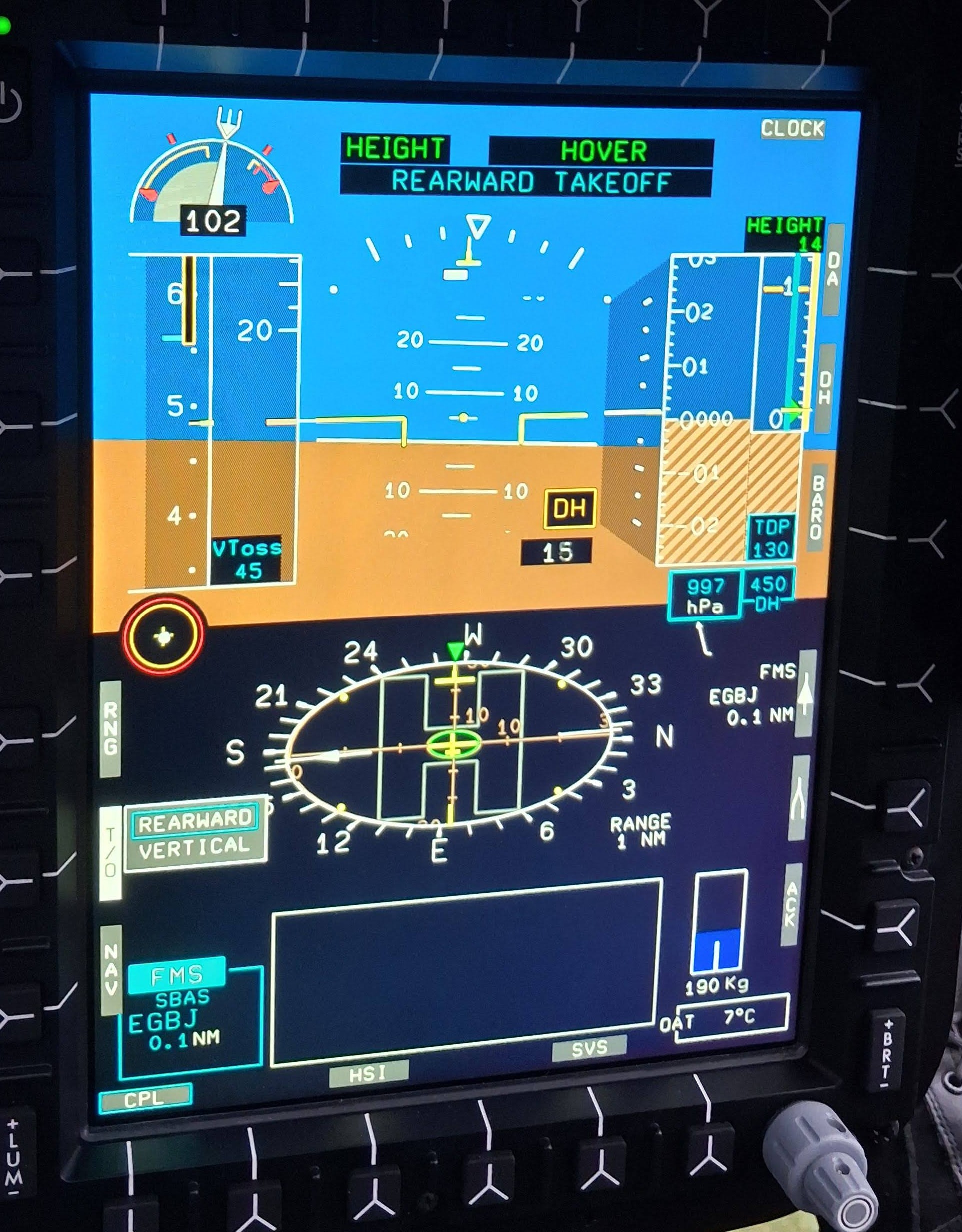
Anyone who has flown a few glass cockpit aircraft will have noticed that gauges that use strips for airspeed and altitude seem to be in fashion at the moment. However some aircraft manufacturers seem to have stuck with dials even in the digital age – particularly Sikorsky and Bell. Are strip gauges the right way…
-
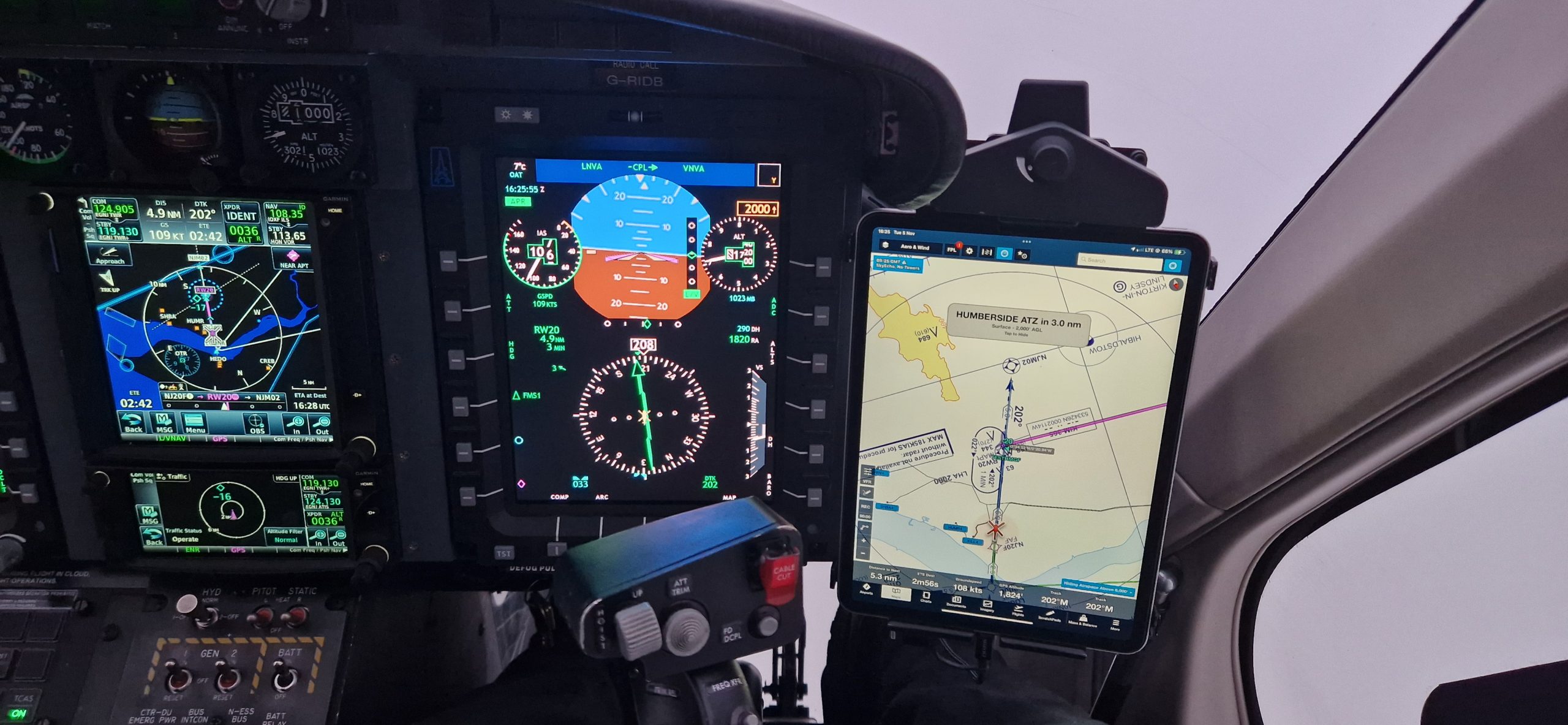
The GTN 750 and the newer GTN 750 Xi are standard equipment in many light twin helicopters. As the main interface for navigation and communications, pilots need to use it effectively. This article covers some tip and tricks to make your life easier and allow you to focus on operating the aircraft. The topics included…
-
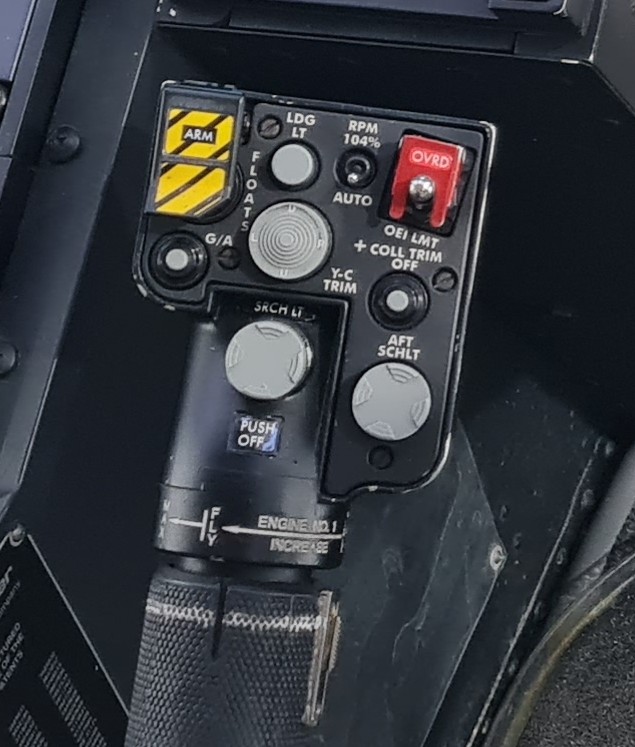
There are many switches, levers and controls in a helicopter cockpit. Each has a purpose and each needs to be carefully designed to fulfil its purpose and be easy to use. However, designer also needs to consider the human factor to ensure the right control is used at the right time but is protected from…
-
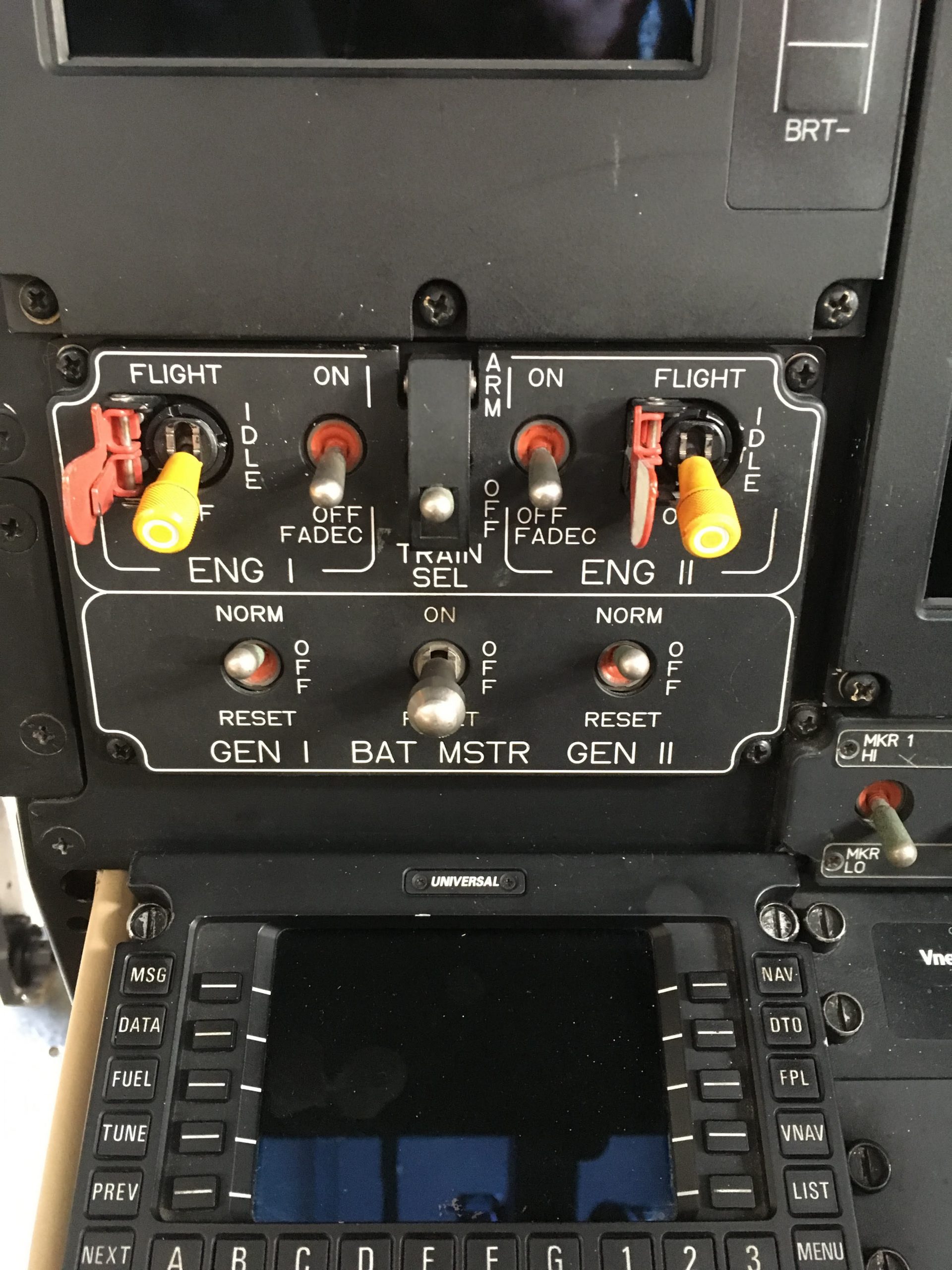
On many modern light twin helicopters, there is a built in training tool allows the in flight simulation of an engine failure to allow realistic but safe training. This “Training Mode” provides realistic visual and physical cues that allow pilots to experience an engine failure without the danger. Whilst they are a superb training tool,…
-

The Norwegian Air Ambulance lead the way in Europe for expanding the scope of what helicopters can do in emergency aviation. Through the application of technology, a deep understanding of their aircraft and a full grasp of the regulations, they have developed a system the outshines UK HEMS1. In this article, we look at six…
-

First Limit Indicators (FLI) or Power Situation Indicators (PSI) are displays in glass-cockpit helicopters which bring together all the engine power parameters into one simple display. These displays can dramatically lower the workload of a pilot, giving a single visual indication of the power state of the aircraft relative to its limits. FLI and PSI…