
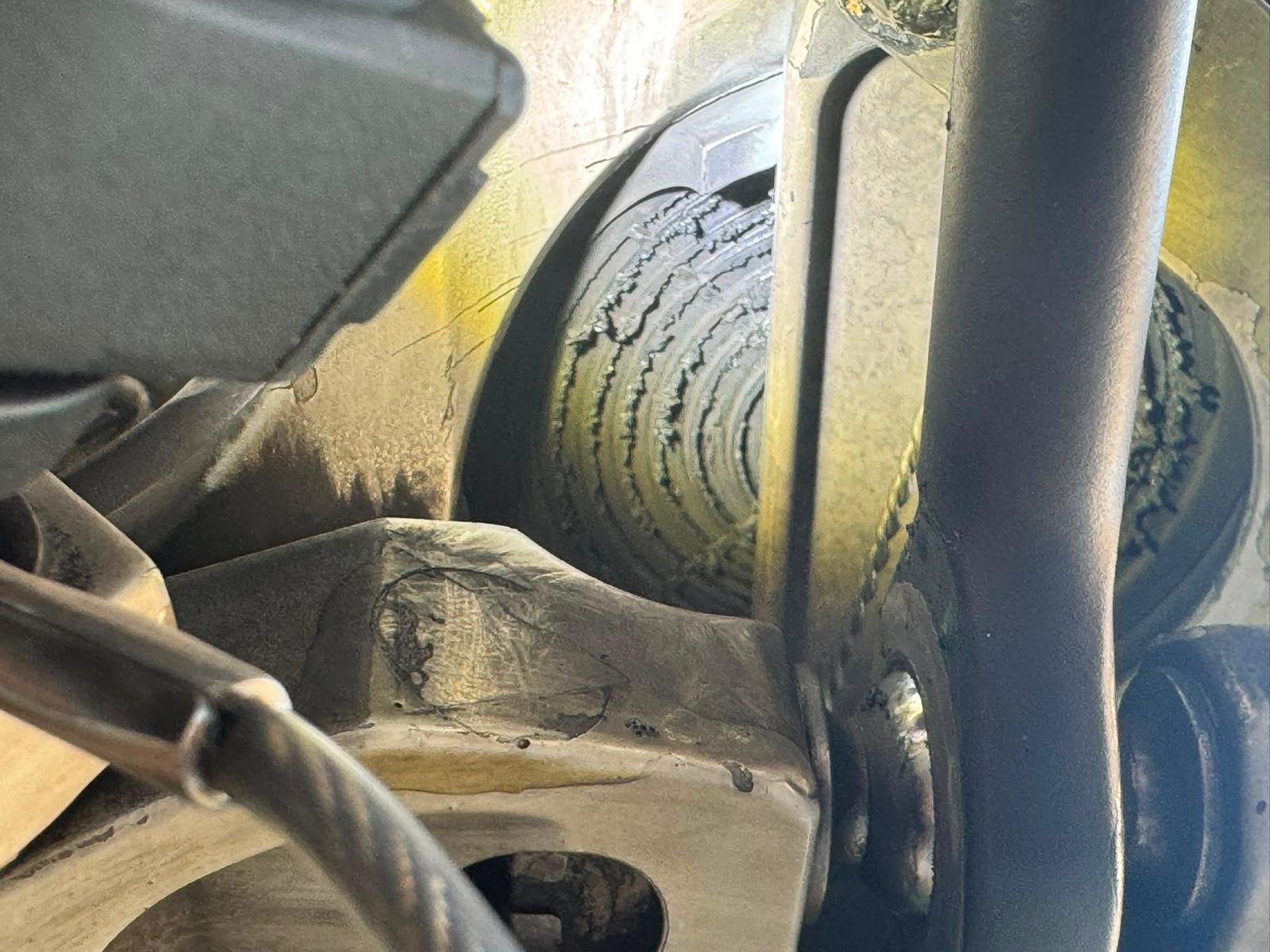
In an ideal world, a fully qualified engineer would handle every helicopter maintenance task, including daily inspections per the maintenance program. However, this isn’t realistic in many operations, especially those that are widely dispersed. Therefore, some pilots receive training and approval to perform simple tasks, optimising the use of manpower and expertise in maintenance and flight operations.
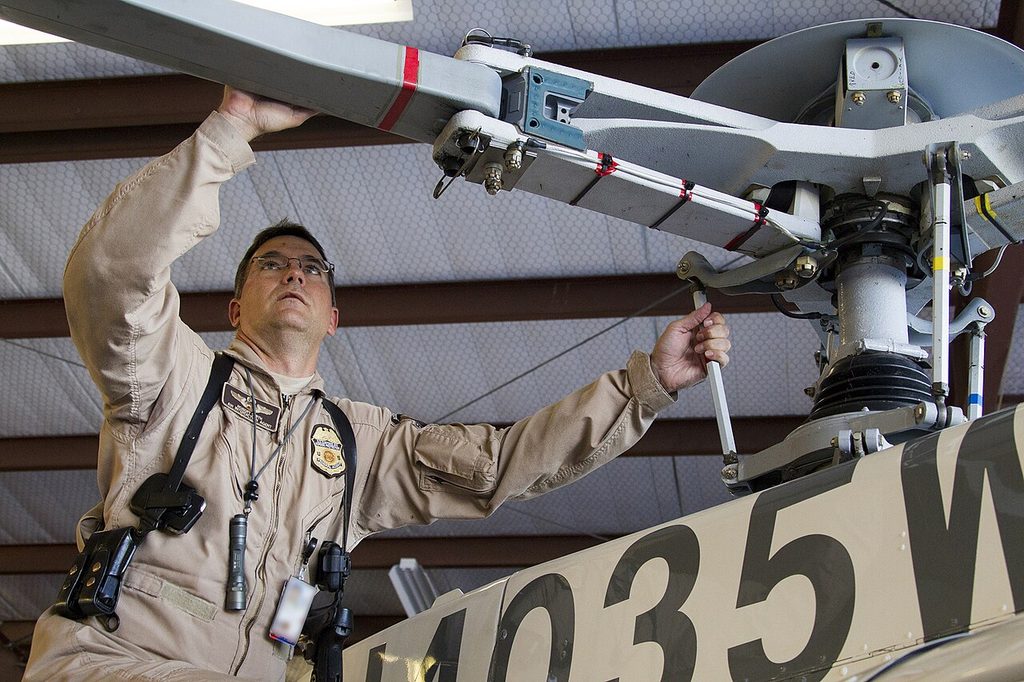
Photographer: Donna Burton
The process through which pilots get selected and trained for this task is covered in the maintenance regulations. These regulations have a few peculiarities that operators need to be aware of. Whilst the training given to pilots is generally good, it is generally completed on a fully serviceable aircraft which does not provide good examples of what “bad” looks like. When compared to flight training where pilots regularly see what can go wrong, seeing what goes wrong in maintenance terms is a lot more ad hoc and dependent on pilots and engineers sharing stories. A more structured approach is needed.
Contents
Why would you let a pilot do maintenance?!
Since the beginning of aviation, there has been a complicated relationship between pilots and the engineering team. The pilots fly it, they break it and the engineers fix it. Pilots literally place their lives in the hands of the engineers and the engineers have to trust their perfect machines in the hands of people who seem to have a mission to find a snag. But why would engineers let the pilots do some of the maintenance on their beautiful aircraft?
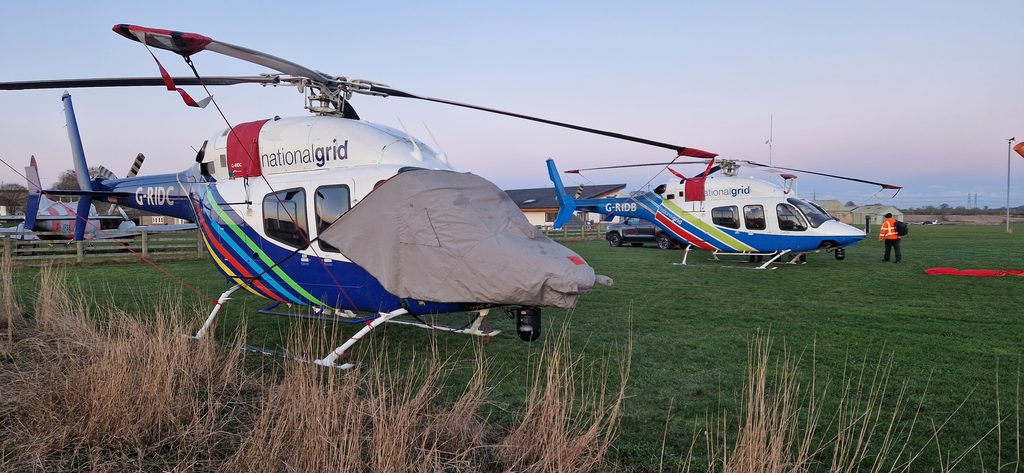
The reality is that in some operations, there just aren’t enough qualified engineers in the right place on the right shift to complete some necessary but relative simple daily or ad hoc tasks. Pilots are naturally in the right place, at the right time as they are going to fly the aircraft, so why not allow them to do some simple maintenance tasks? This frees up engineers to focus on deeper maintenance at central bases.
Do I have to? Is it even allowed?
In commercial operations, there will be an approved maintenance programme for each aircraft type. In that programme, will be an inspection which is required on a daily basis. In addition, some recurrent additional inspections may be required as the result of manufacturer safety bulletins or other maintenance requirements. There may also be a need to complete fuel sampling to guard against fuel contamination.
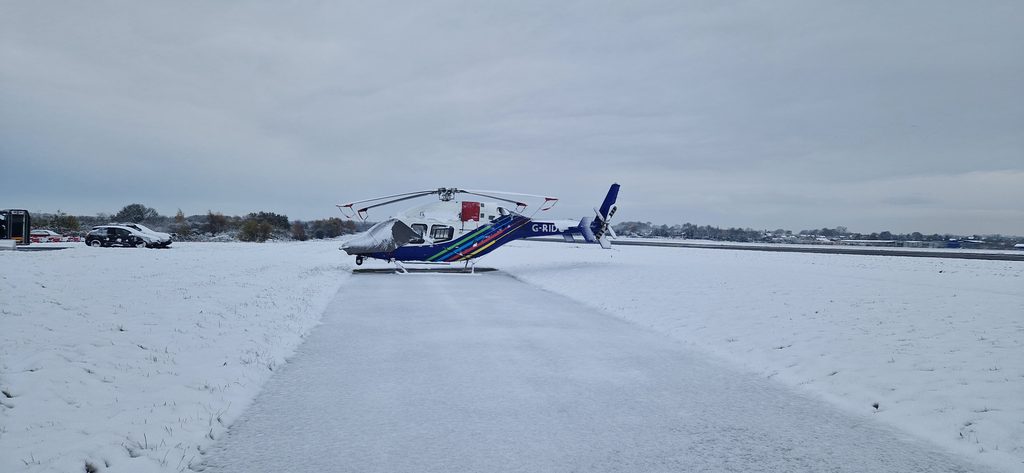
But wait, what has this even got to do with the maintenance team? I have a pre-flight inspection in the normal procedures. Why do the engineers even get involved?
Well, there are 2 kinds of pre-flight inspections. One is indeed specified in the flight manual but the other is laid out in the Approved Maintenance Programme as required under the Part M regulations for continuing airworthiness (the regulations that govern how continuing airworthiness is managed). Both are required. The latter is governed by Part M.
And Part M does allow for personnel who are not qualified engineers to do some simple tasks but they have to be approved. This is covered in M.A.606 (identical wording in UK and EASA):
(h) By derogation from point (g), the organisation may use certifying staff qualified in accordance with the following provisions when providing maintenance support to operators involved in commercial operations, subject to appropriate procedures to be approved as part of the organisation’s manual:
For a repetitive pre‑flight airworthiness directive which specifically states that the flight crew may carry out such airworthiness directive, the organisation may issue a limited certifying staff authorisation to the aircraft commander on the basis of the flight crew licence held, provided that the organisation ensures that sufficient practical training has been carried out to ensure that such person can accomplish the airworthiness directive to the required standard;
A lot to unpack there. The regulations allow flight crew to do some repetitive pre-flight airworthiness tasks on a limited approval but they must have sufficient practical training. An online course is not going to cut it!
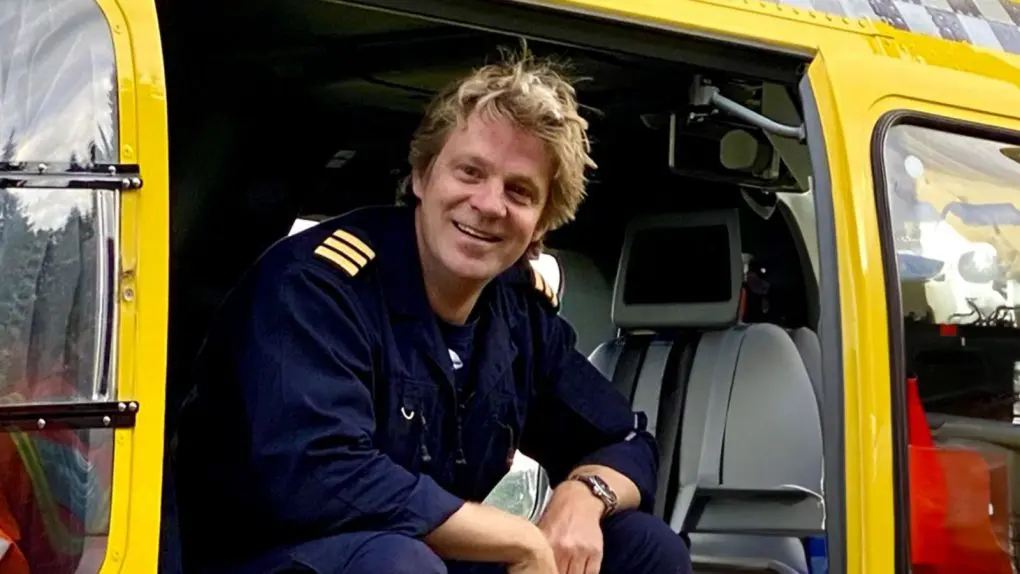
The most important element for multi-crew operators is of course that only an aircraft commander can be approved. This point has recently been noted by regulators and many co-pilots who were safely doing limited maintenance had their approvals removed.
But is this just semantics?
What about co-pilots?
It is very instructive to also look at Part 145. This is the regulation which governs how maintenance is actually done. In similar fashion to Part M it has a section on personnel who can be approved to do maintenance without an engineering licence. The relevant rule is 145.A.30 (identical wording in UK and EASA):
(j) By derogation to points (g) and (h), in relation to the obligation to comply with Annex III (Part-66), the organisation may use certifying staff and support staff that are qualified in accordance with the following provisions:
(3) For a repetitive pre-flight airworthiness directive which specifically states that the flight crew may carry out such airworthiness directive, the organisation may issue a limited certification authorisation to the pilot on the basis of the flight crew licence held. In that case, the organisation must ensure that the pilot has carried out sufficient practical training ensuring that the pilot can accomplish the airworthiness directive.
And now a co-pilot can be approved for maintenance tasks? Perhaps something for the regulator to clear up! But Part M is arguably the most relevant regulation so the no co-pilot rule stands
What can the pilot do?
So we have established an aircraft commander can be approved to do some tasks but what is the scope of that approval? Can they change an engine for example? Clearly not. But clarity is needed.
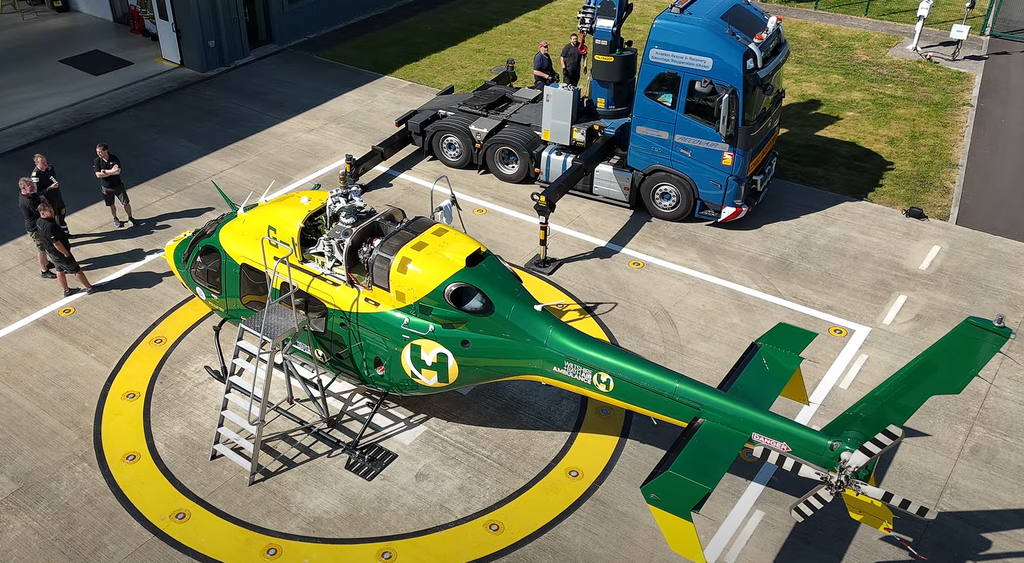
The relevant rules are in the AMC M.A.606(h)(2):
2. Typical tasks that may be certified and/or carried out by the commander holding an ATPL or CPL are minor maintenance or simple checks included in the following list:
(a) Replacement of internal lights, filaments and flash tubes.
(b) Closing of cowlings and refitment of quick access inspection panels.
(c) Role changes, e.g., stretcher fit, dual controls, FLIR, doors, photographic equipment etc.
(d) Inspection for and removal of de-icing/anti-icing fluid residues, including removal/closure of panels, cowls or covers that are easily accessible but not requiring the use of special tools.
(e) Any check/replacement involving simple techniques consistent with this AMC and as agreed by the CAA.
3. The authorisation should have a finite life of twelve months subject to satisfactory recurrent training on the applicable aircraft type.
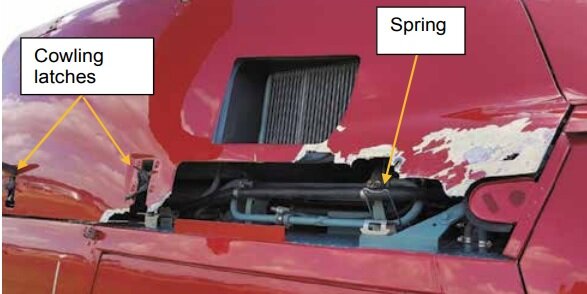
So actually there is again a little to think about there. Firstly, the closing of cowlings is a maintenance task! This is slightly confusing as closing a cowling is often a routine part of a pilot walk around in accordance with the Flight Manual. So where does a pilot stand? Can they open and close cowlings to do an inspection without approval?
Do they need approval for everything?
This is a very delicate balance between what approvals are needed. On helicopters, pilots often need to open cowling to do a proper pre-flight inspection. But they are just as prone to human error as anyone else. Should this task have an engineering approval? This is unclear from the regulation.
They are numerous incident reports where an open panel has led to damage or worse. As an example an EC120, G-SWNG had a cowling left open on departure which contacted the main rotor. The pilot was distracted and didn’t walk around the left side of the aircraft before getting in the right pilot seat.
What about other tasks?
Getting back to our “simple” maintenance tasks. What else was there aside from cowlings?
a) Replacement of internal lights, filaments and flash tubes.
(b) Closing of cowlings and refitment of quick access inspection panels.
(c) Role changes, e.g., stretcher fit, dual controls, FLIR, doors, photographic equipment etc.
(d) Inspection for and removal of de-icing/anti-icing fluid residues, including removal/closure of panels, cowls or covers that are easily accessible but not requiring the use of special tools.
(e) Any check/replacement involving simple techniques consistent with this AMC and as agreed by the CAA.
Replacement of internal lights and filaments. That is a task fraught with danger. In a famous example, a flight crew team got so distracted with replacing a light filament they ran out of fuel. See the excellent video by Mentour Pilot about the Eastern Airlines 401. But of course we are focused here on ground maintenance tasks. So this seems reasonable for a pilot to do.
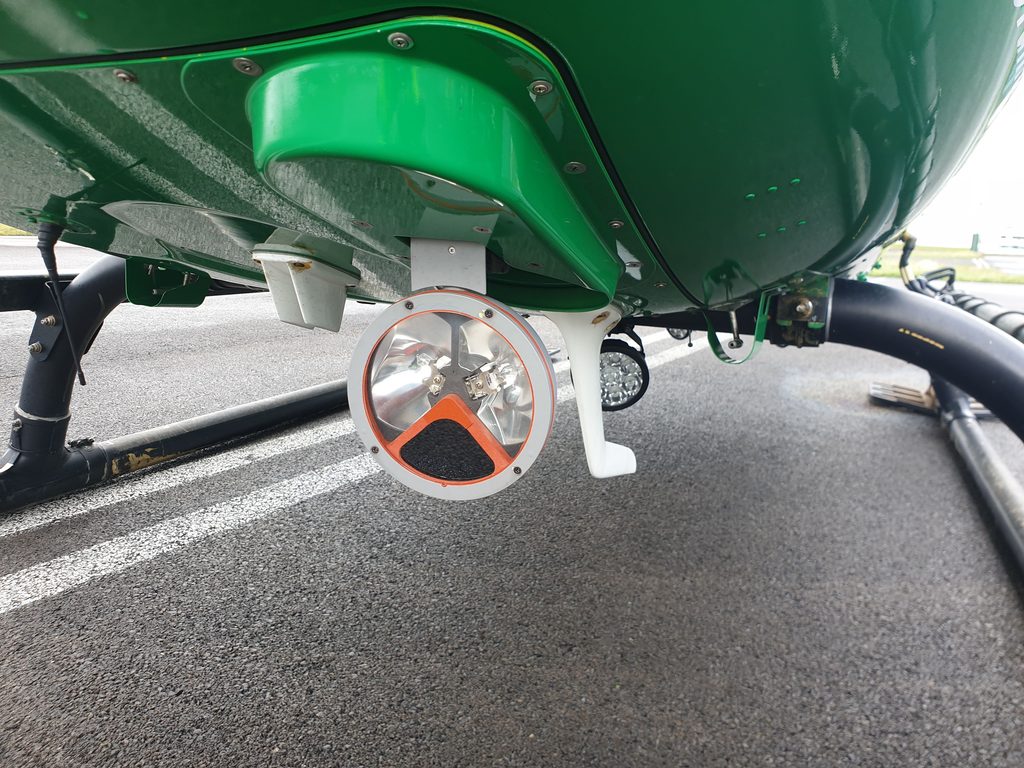
Similarly role changes are typically needed quickly and possibly away from base so that is again a reasonable task for a pilot. The last paragraph covers the pre-flight check – also called the “A Check” or “Check A”.
But the odd one out is the installation dual controls.
Independent inspections
Some maintenance tasks are critical to the airworthiness of the aircraft and AMC2 145.A.48(c)(2) lays out what are critical tasks. One of them is: “…tasks that may affect the control of the aircraft flight path and attitude, such as installation, rigging and adjustment of flight controls…” So installing dual controls is critical.
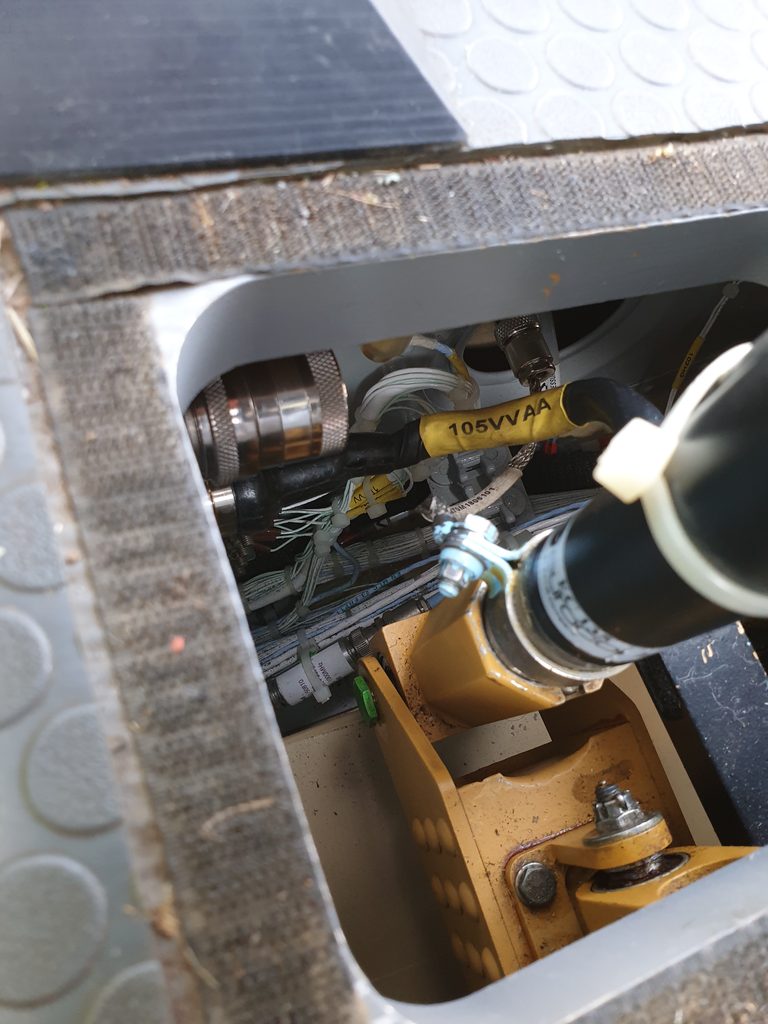
An “error capturing method” must be implemented after critical maintenance tasks in accordance with 145.A.48. The normal approved way of doing that is an independent inspection in accordance with AMC4 145.A.48(c)(2) possibly combined with a suitable functional check. A pilot with his nice shiny maintenance approval now needs to be supported by another individual approved for the task.
The regulation again specifies this could be a commander. But there is only one commander so normally a fully qualified engineer is needed. Given their skill set, typically the engineer installs or removes the controls and the commander does the independent inspection.
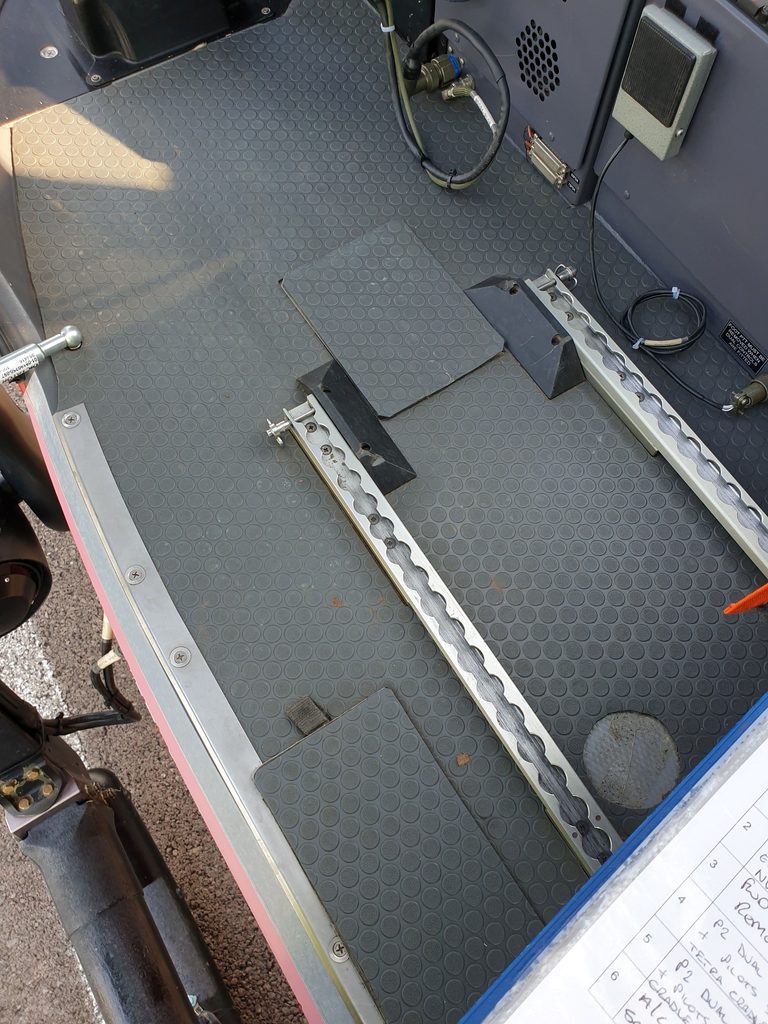
The need for independent inspection of critical components shows the maintenance regulations have a little more depth that warrants more investigation.
Same thing twice
When the regulations are reviewed more closely, another interesting aspect pops out. The threat and error management which flows through the maintenance regulations also highlights another issue – repetitive tasks.
In 145.A.48 it says:
(c) The organisation must ensure that:
(3) The risk of errors during maintenance and the risk of errors being repeated in identical maintenance tasks are minimised;
The applicable AMC1 145.A.48(c)(3) goes on to say:
the procedures should ensure that no person is required to perform a maintenance task involving removal/installation or assembly/disassembly of several components of the same type fitted to more than one system, a failure of which could have an impact on safety, on the same aircraft or component during a particular maintenance check.
So what for pilots with a maintenance approval. All they are doing is pre-flight inspection. Well hang on, what is included in the pre-flight inspection. Let’s look at AMC M.A.301(a):
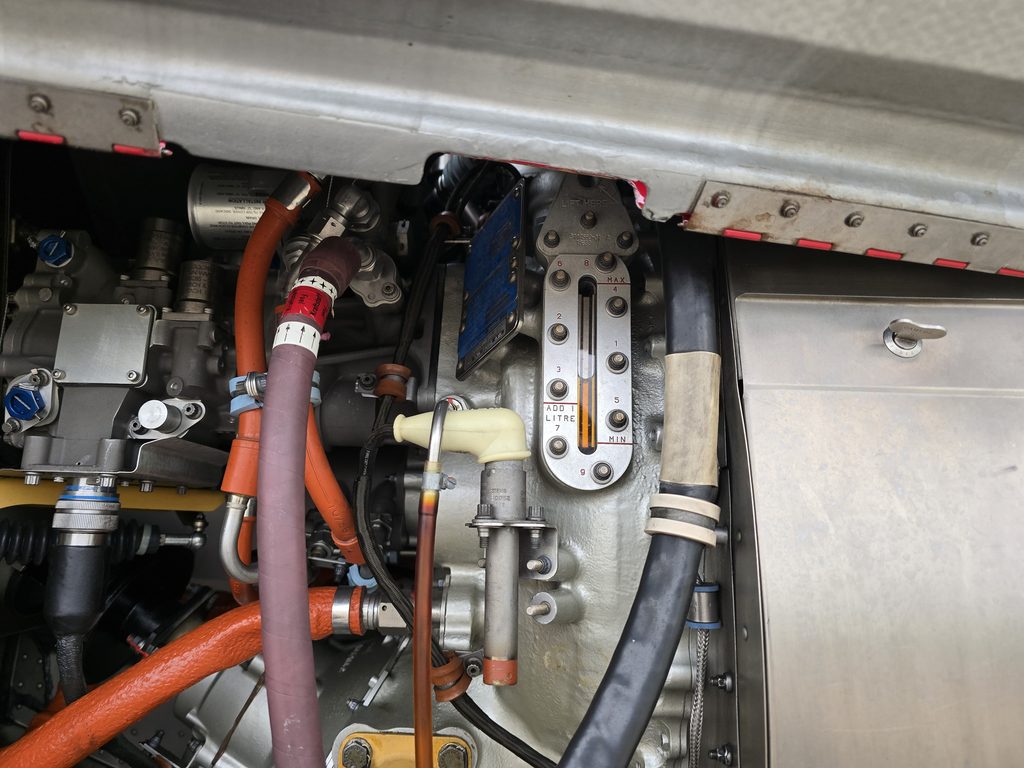
Tasks such as oil and hydraulic fluid uplift and tyre inflation may be considered as part of the pre-flight inspection.
So a pilot can uplift oil. But on a twin engine aircraft, the oil uplift on each engine is a repetitive task on multiple systems. A pilot should not be doing both engine oil top ups on their own during the same inspection! Are pilots doing this under their approvals and breaking the rules inadvertently?
Training the pilot
We have now looked at the approval of pilots for some maintenance tasks but as we identified earlier the pilots need training. An appropriate person needs to be identified in the maintenance organisations approvals to complete the initial and recurrent training of personnel. Typically the initial approval is held by a smaller group of people than for recurrent training (which is needed every 12 months).
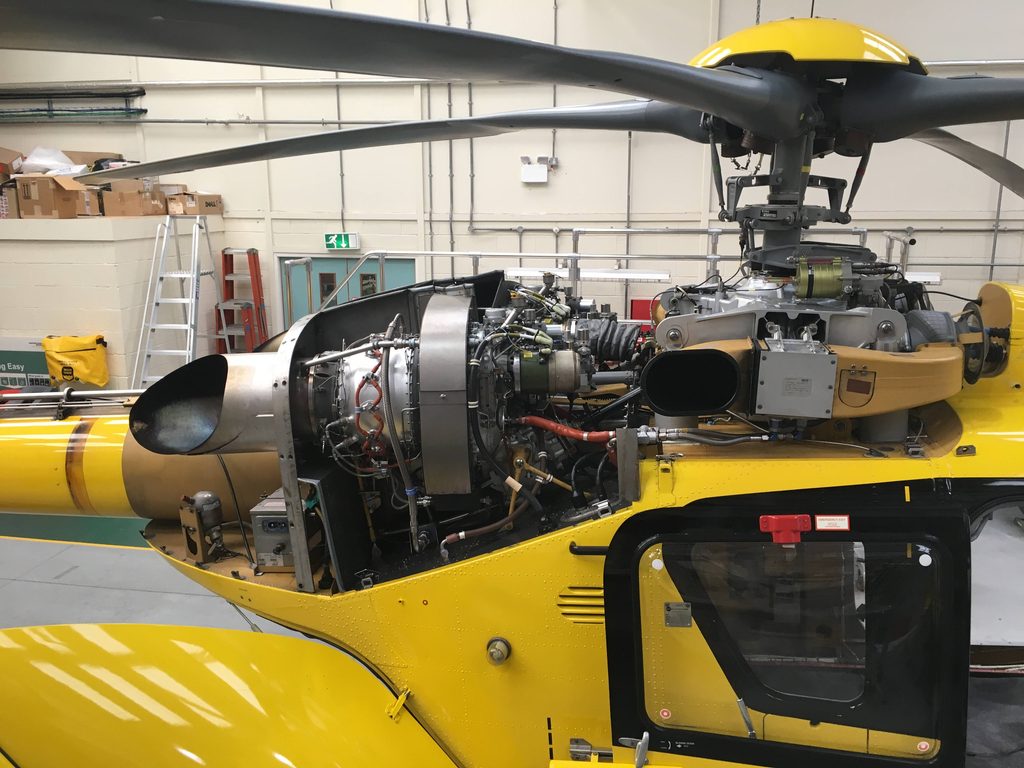
The training must be practical. This means a suitable airframe is needed. As the pilot will be inspecting a complete aircraft, typically the aircraft used needs to be complete and therefore will be a serviceable example that is actively undergoing maintenance.
This gives us a realism issue. A perfectly serviceable aircraft is ideal for showing what “normal” looks like during an inspection. But it is much more challenging for the trainer to show what “abnormal” looks like.
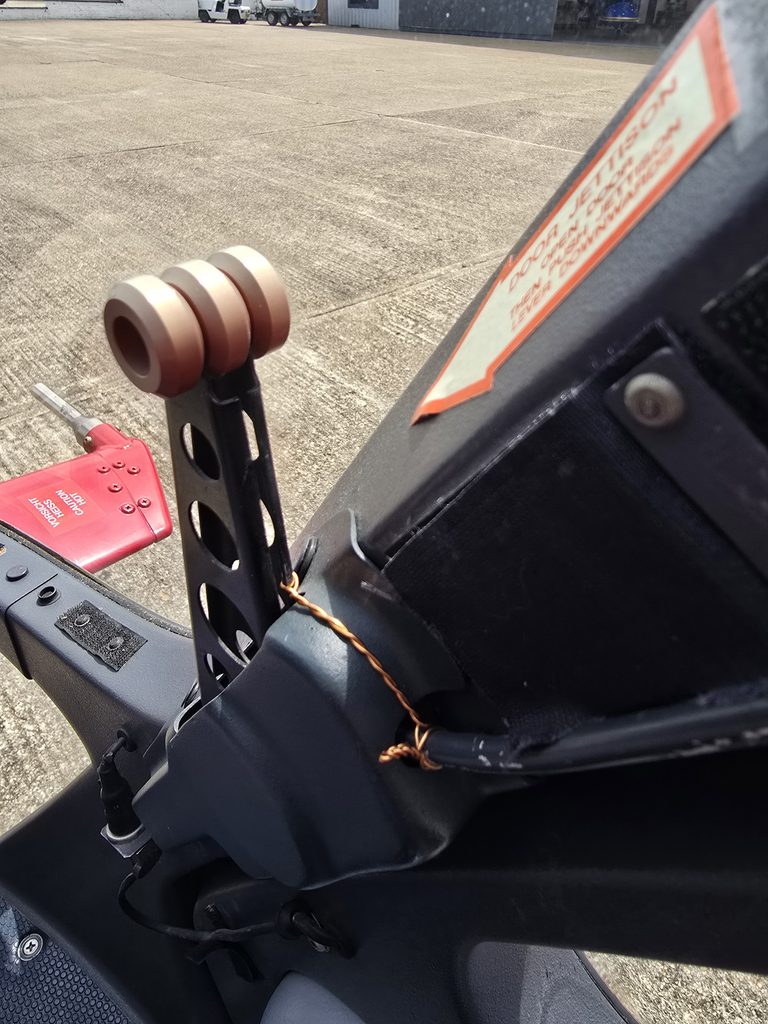
Typically, training involves a practical completion of the pre-flight or discrete task using the real aircraft and components. Unlike practical flight or simulator training, there is no obvious way to show what faults to look for except by describing them. Or is there?
A critical resource
As aviators, we learn a lot from accident and incident reports, but rarely do the last minute catches during pre-flights get so widely shared. The hazard has been contained – nothing to see here.
But that is huge loss of vital “corporate data” that needs to be preserved. Imagine if it were a lucky find by a pilot looking at something that is just slightly outside the normal pre-flight inspection routine. Perhaps leaning down slightly further than normal and catching a missing bolt head on a skid shoe? Or a snapped bolt under an engine intake?
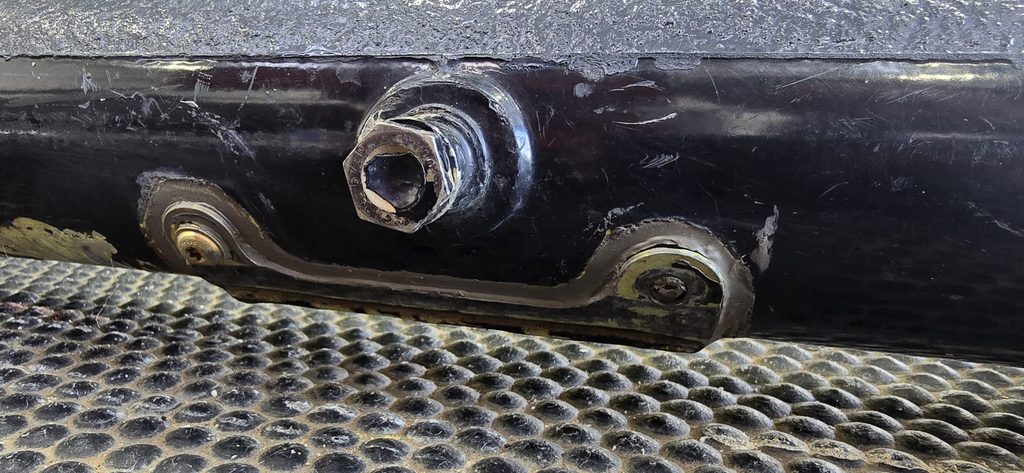
These events need to fed back into the safety reporting system so that procedures can be adapted to catch the same fault in the future. But that only helps that specific operator? How can the wider community learn?
The manufacturer also needs to be made aware so that appropriate amendments can be made to published inspection procedures. But is a requirement to look at a certain component enough. What am I even looking for?!
Central repository
This need to share has been recognised by the team at Found On Preflight. They have put together a website where the wider community can share and learn from other operators of similar aircraft types so that known types of faults can be identified.
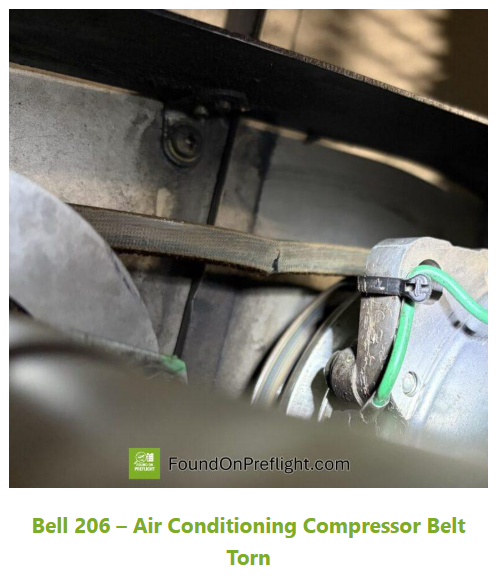
For example, there are some examples of torn drive belts, failing elastomerics and broken knobs. The more other operators contribute, the more useful it becomes.
Take a look at the site and add some pre-flight faults you have found.
Summary
We have a brief look at how pilots get roped into doing a little maintenance and some of the anomalies that exist that mean co-pilots are let off the task, that dual controls need independent inspections and that repetitive tasks should probably not be done by one person.
We have also shown how a little sharing can make all our aviation lives safer. Why not share some of your knowledge?
Now go take a look at our other articles.
- FSTD Capability Signatures (FCS) – A hidden threat for training?
- Preparing for complete loss of engine power in helicopters
- Lessons in how to manage a helicopter engine malfunction
- Light twin helicopter AFCS – Have Airbus won the race?
- Maintenance by pilots – can the training be improved by sharing?
- Flight simulation revolution – A new method for matching training need to simulator capability
- Helicopter Single Engine IFR – New horizons
- Making the grade – understanding climb gradients in the go around
- Unfair Skies: Restrictive helicopter instructor rules and how to fix them

- How to create an instrument rating instructor (IRI) – A helicopter anomaly
- The evolution of Category A Helipad procedures – A strong foundation for VTOL to learn from?
- Strips vs dials – Which is better?
- Under the weather – are UK HEMS weather rules broken?
- Mastery of the GTN 750 – Ten things you should know
- Checking anomalies – The weird requirements of helicopter proficiency checks
Leave a Reply