
Tag: helicopter
-
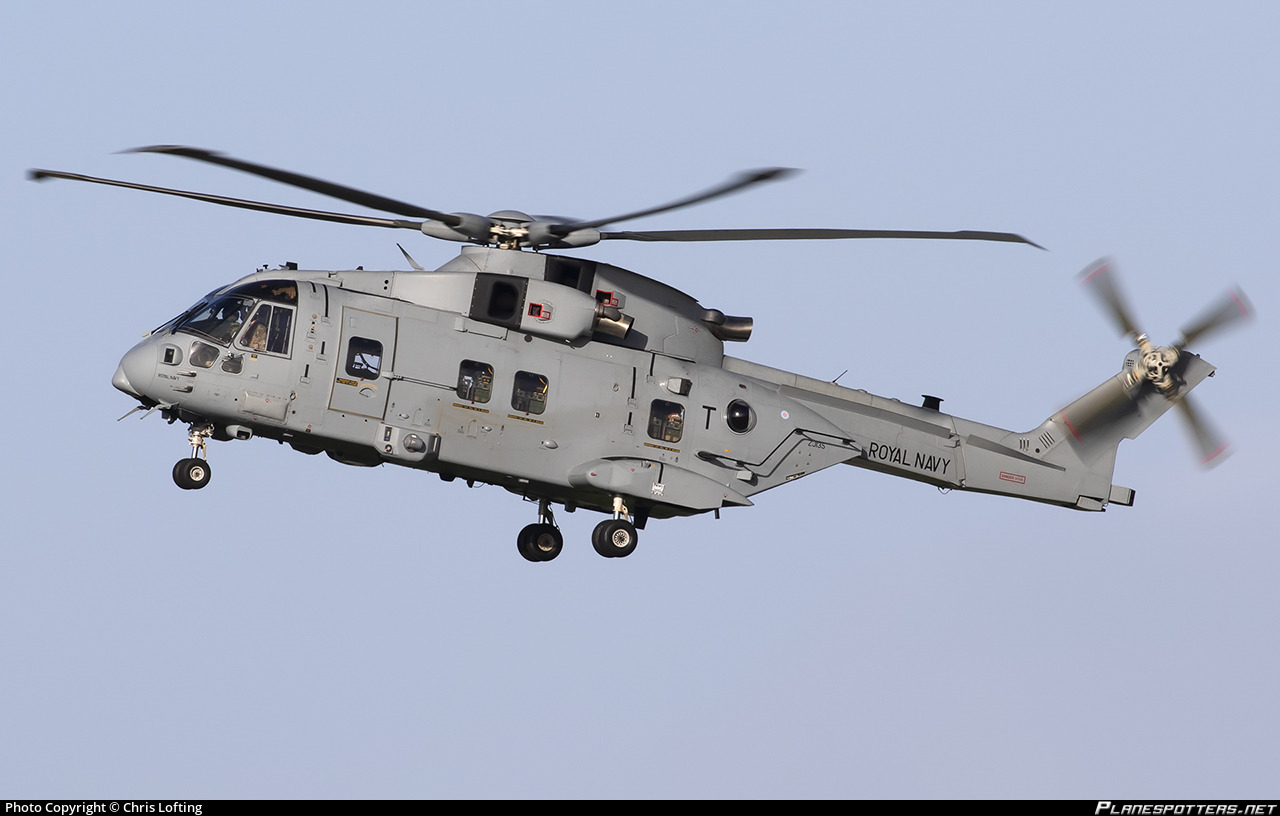
Recent accident reports have highlighted that understanding what has gone wrong is fundamental to safely managing emergencies in multi-engine helicopters. Whilst type specific training is essential, there are some general principles which can be applied to all multi-engine helicopter engine emergencies. In this article, we look at what can go wrong with helicopter engines and…
-
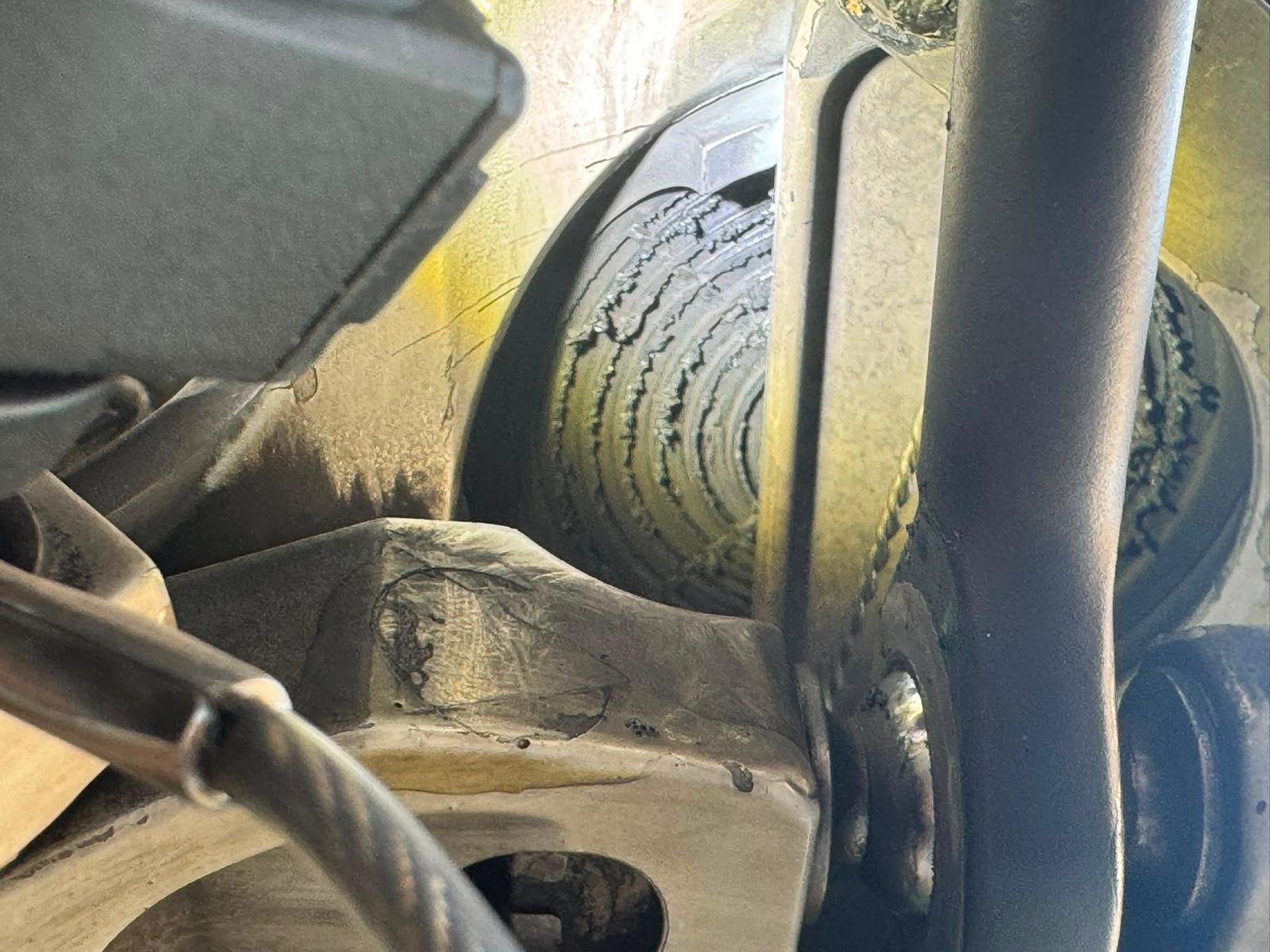
In an ideal world, a fully qualified engineer would handle every helicopter maintenance task, including daily inspections per the maintenance program. However, this isn’t realistic in many operations, especially those that are widely dispersed. Therefore, some pilots receive training and approval to perform simple tasks, optimising the use of manpower and expertise in maintenance and…
-
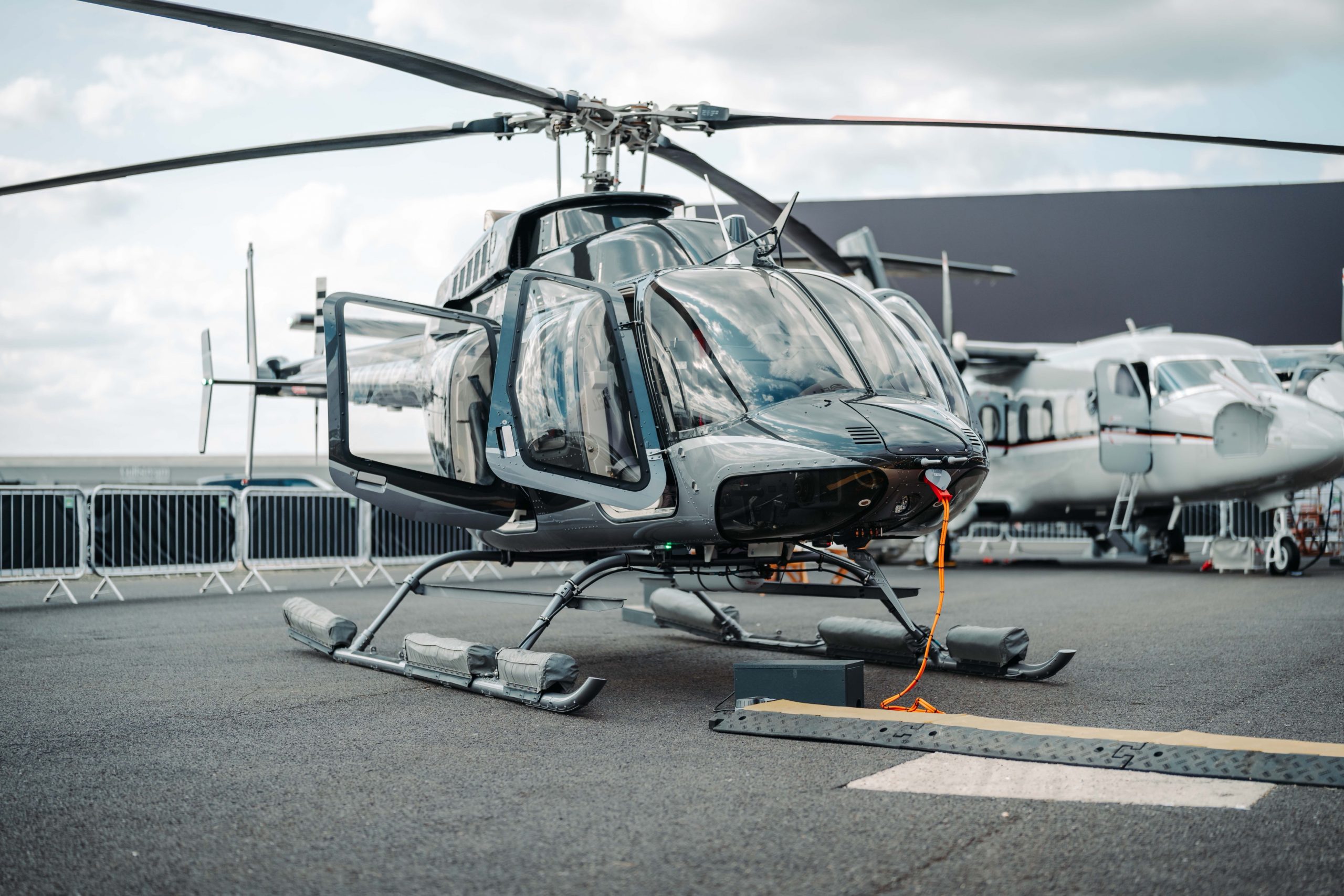
Bell Helicopters recently announced the sale of the first single engine IFR-configured Bell 407 GXi in the UK. This represents a significant step forward for UK helicopter IFR operations as there is currently only one other, much older, single-engine IFR certified helicopter in the entire UK civilian fleet. The availability of capable, single-engine IFR machines…
-
On some instrument approach charts there is a choice of approach minimum altitudes dependent on the climb gradient in the go around phase. In this article we look at why different gradients make a difference and how pilots can use the performance manual to select the right minimums for their approach. We focus on helicopters…
-
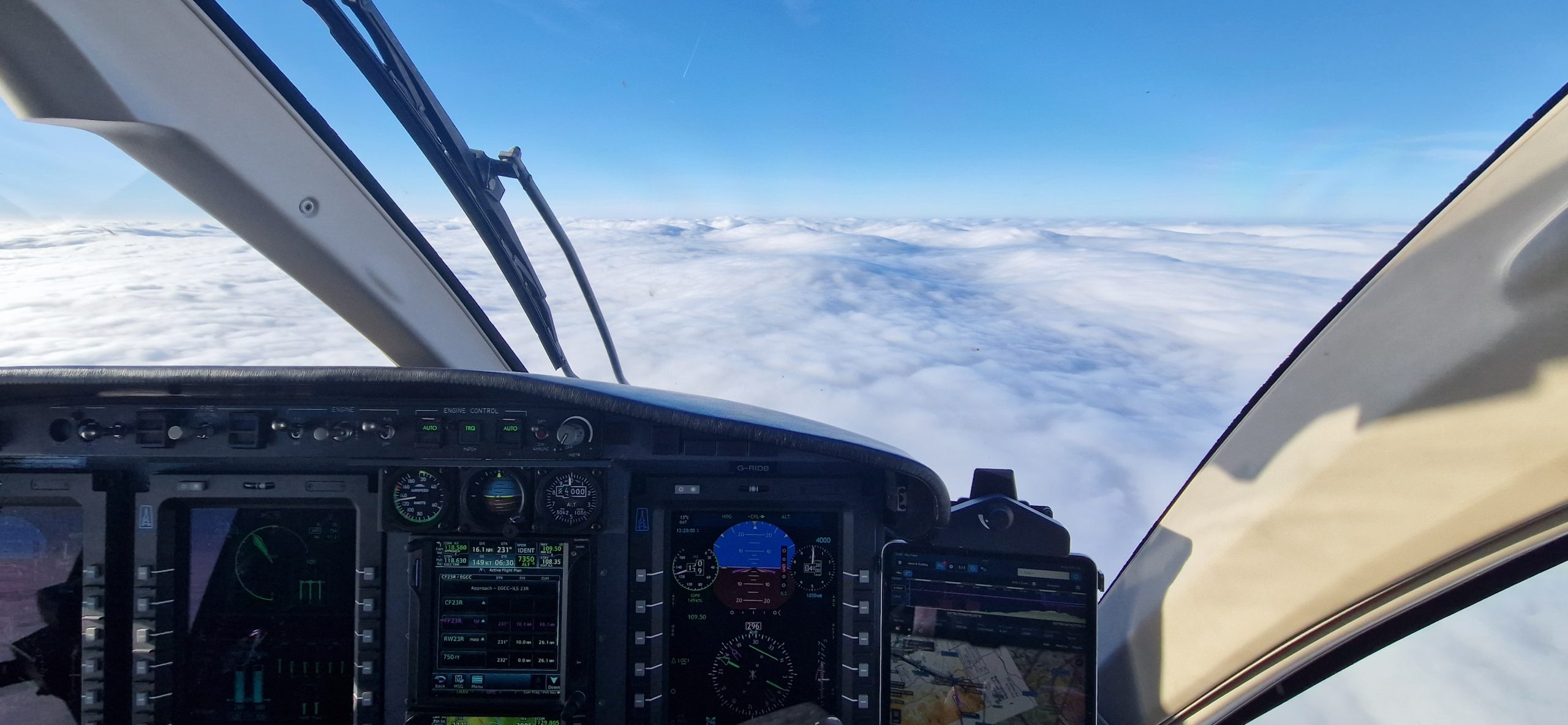
In both the fixed wing and rotary wing worlds, a particular qualification is required to deliver training towards issue of an initial Instrument Rating (IR) – The Instrument Rating Instructor (IRI). However, due to a quirk with the aircraft used in training for an instrument rating, creating and sustaining IRI is much more difficult in…
-
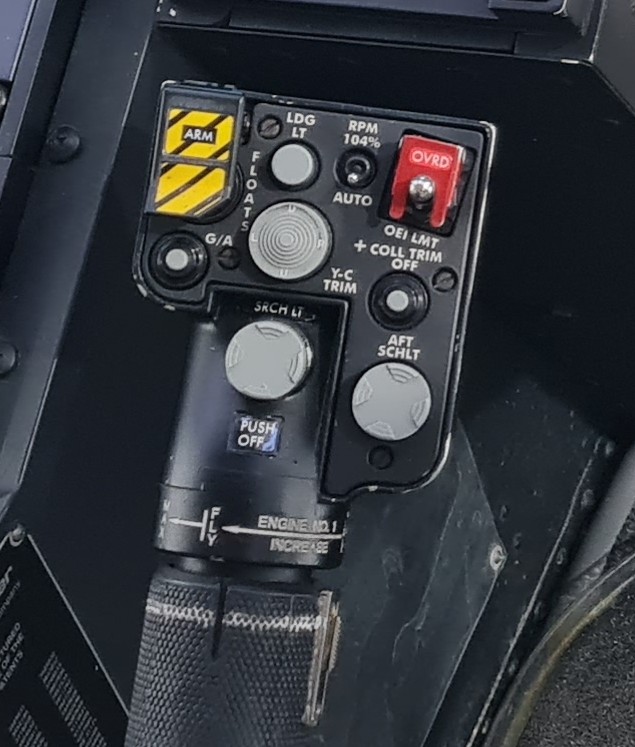
There are many switches, levers and controls in a helicopter cockpit. Each has a purpose and each needs to be carefully designed to fulfil its purpose and be easy to use. However, designer also needs to consider the human factor to ensure the right control is used at the right time but is protected from…
-
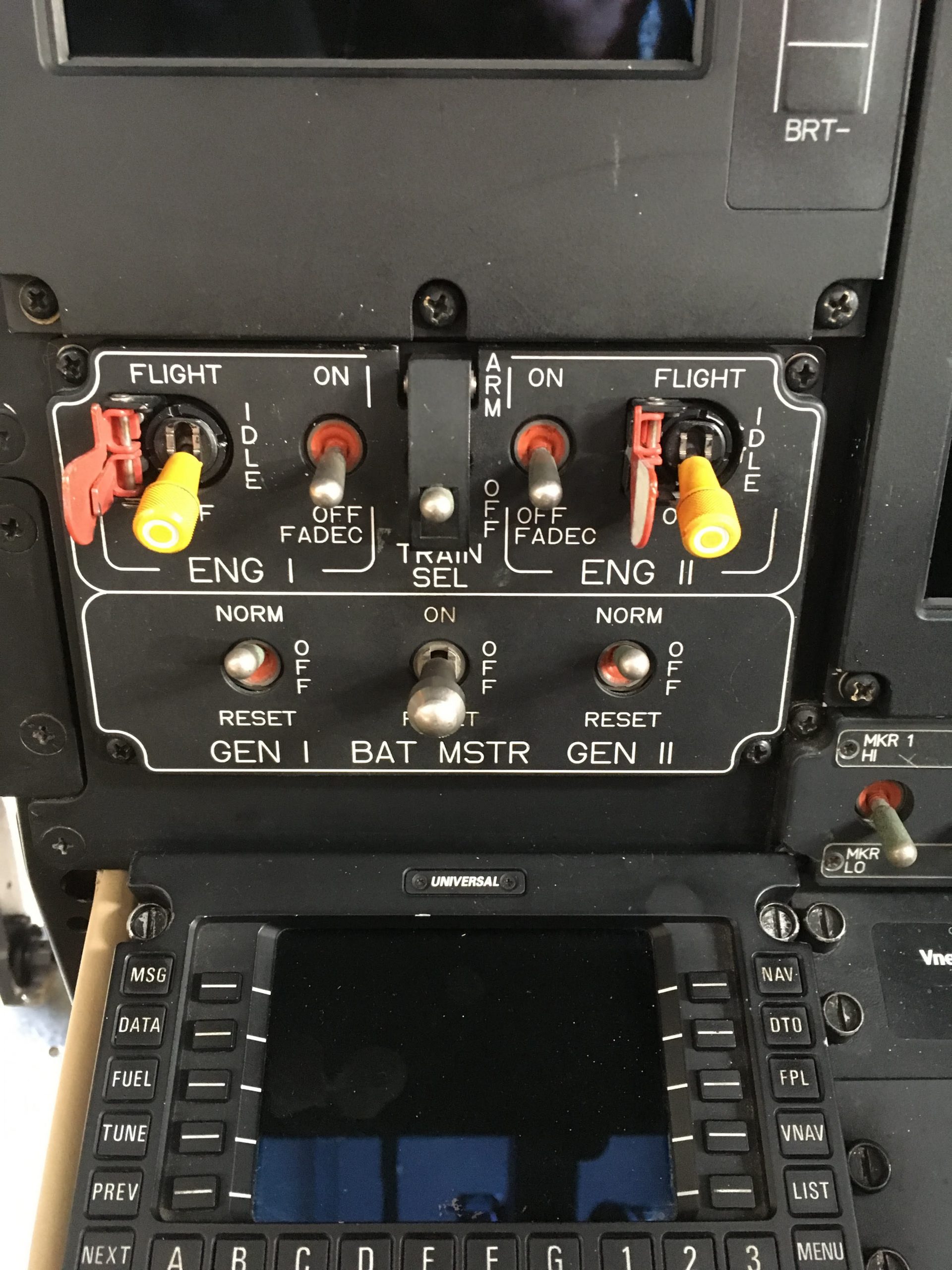
On many modern light twin helicopters, there is a built in training tool allows the in flight simulation of an engine failure to allow realistic but safe training. This “Training Mode” provides realistic visual and physical cues that allow pilots to experience an engine failure without the danger. Whilst they are a superb training tool,…
-
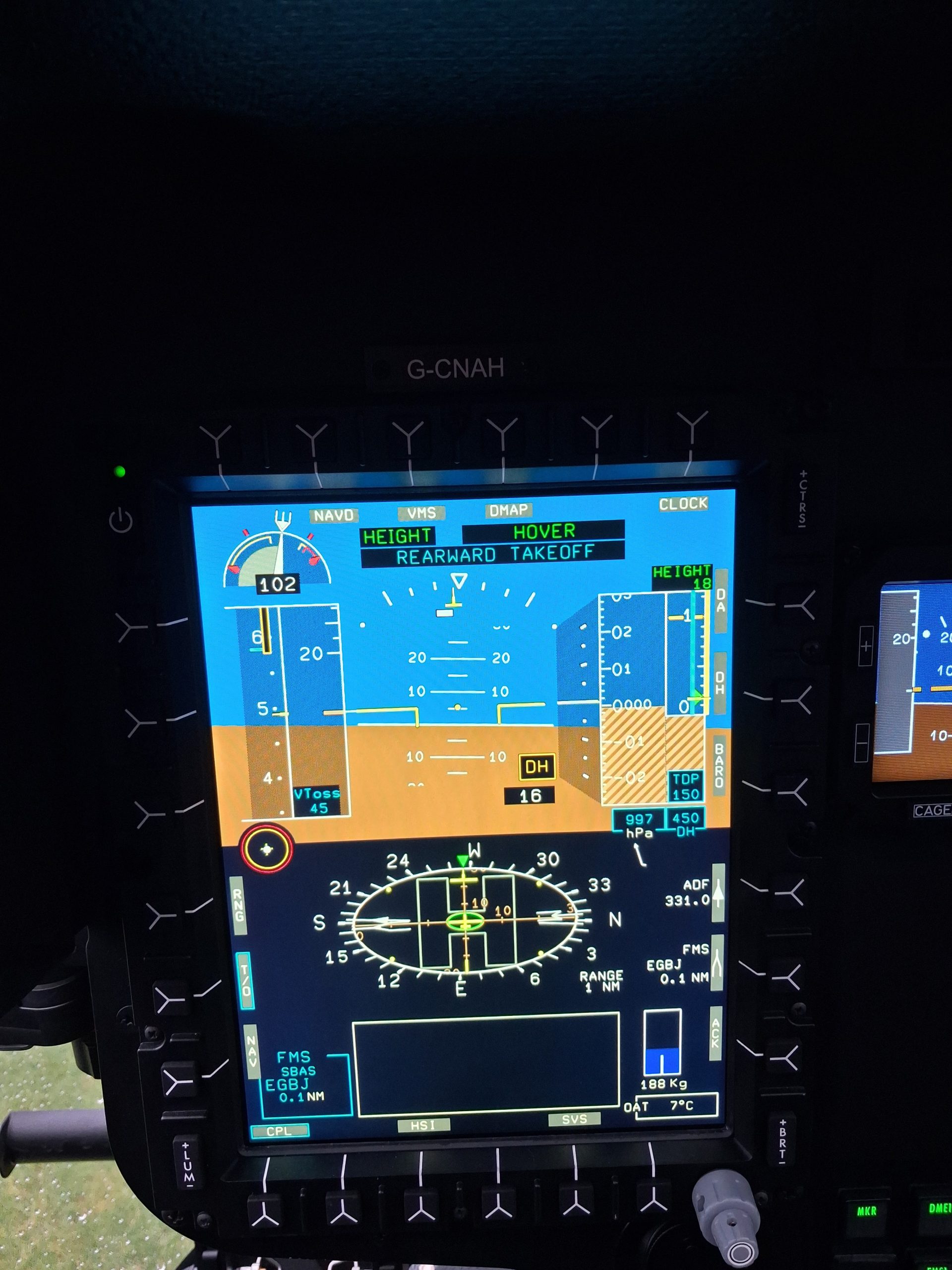
Automated take offs are now a reality on commercially available helicopters including the H145, H160 and H175 with the latest Helionix software. Given pilots have successfully been taking off without such automation for years are these new systems unnecessary complexity or should they be standard fit for future helicopters? In this article we look at…
-
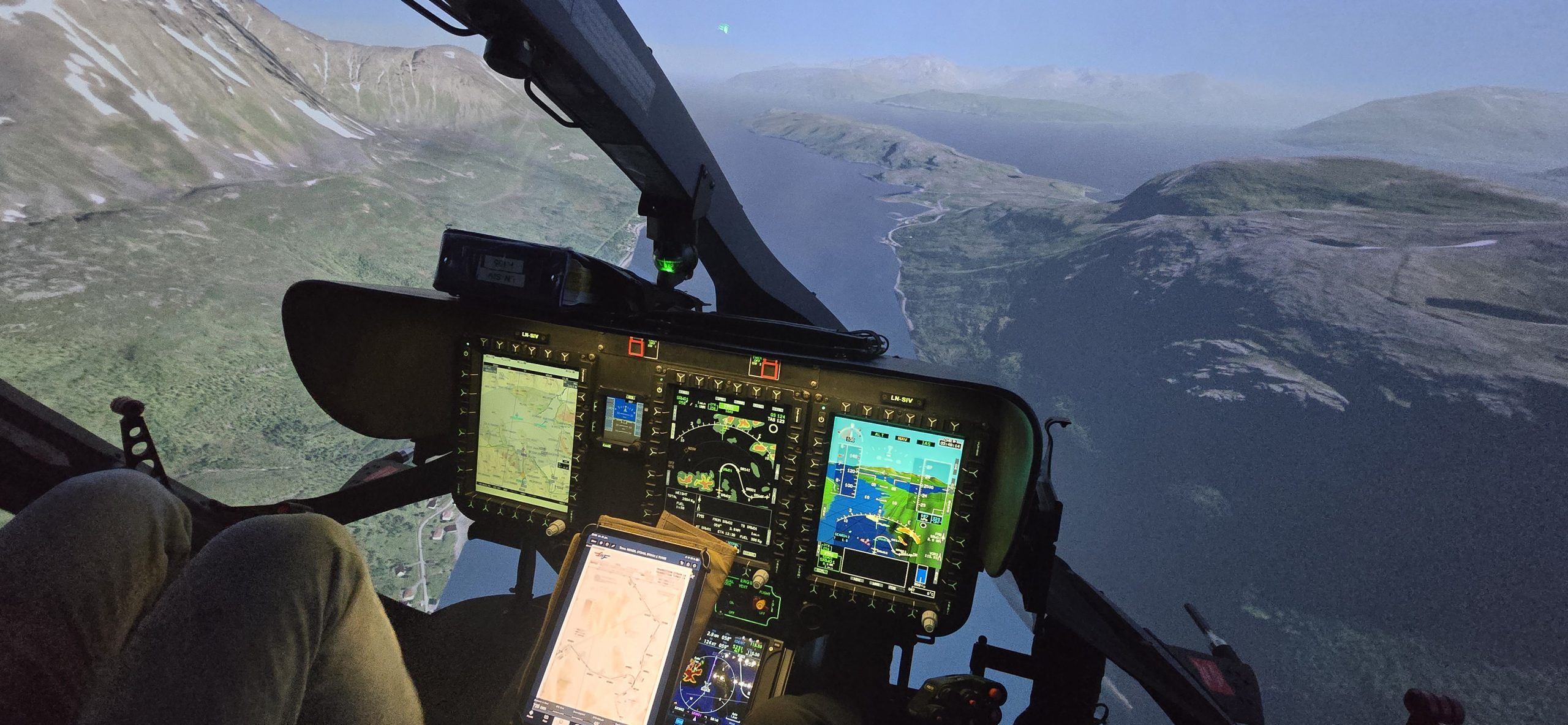
The Norwegian Air Ambulance lead the way in Europe for expanding the scope of what helicopters can do in emergency aviation. Through the application of technology, a deep understanding of their aircraft and a full grasp of the regulations, they have developed a system the outshines UK HEMS1. In this article, we look at six…
-
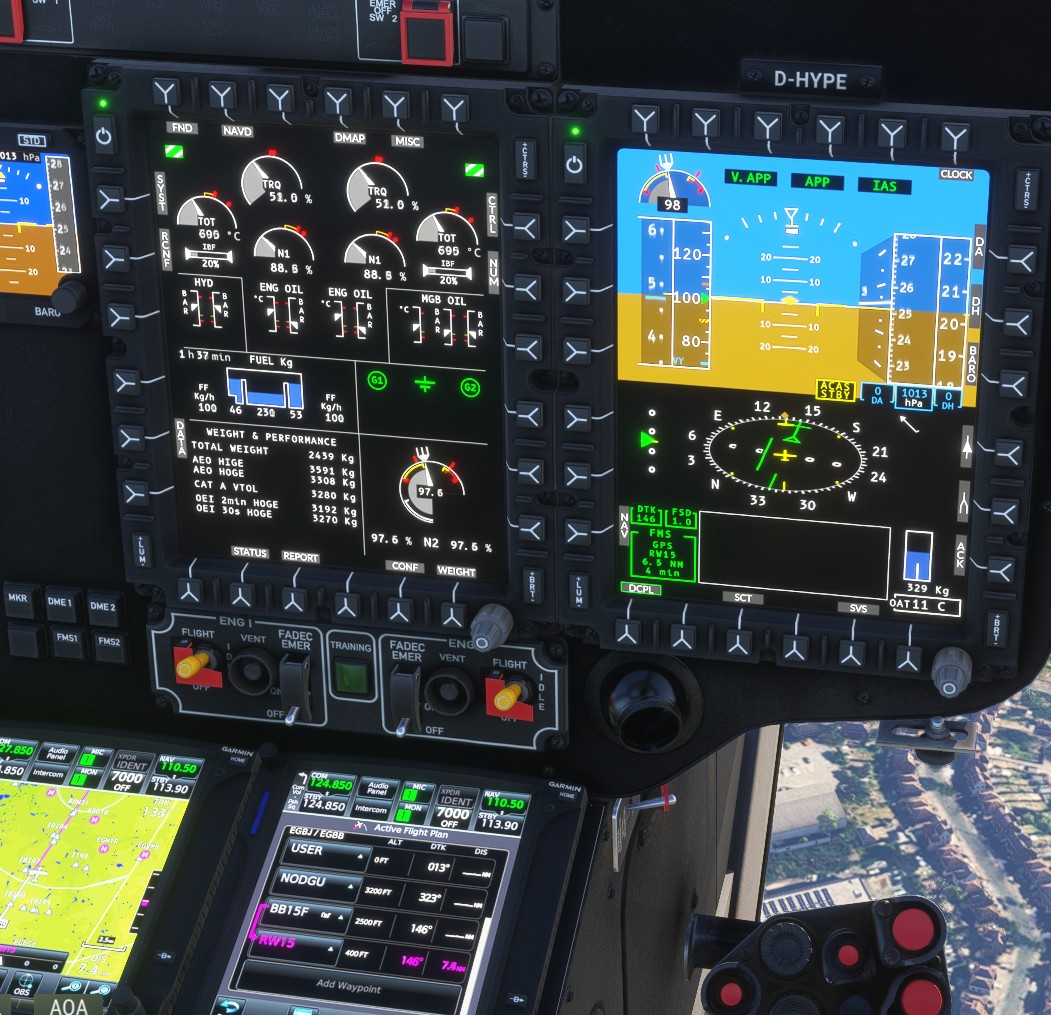
When the UK left the EGNOS programme on 25 June 2021, the most obvious and painful result was the withdrawal of LPV approaches in the UK. However, LPV are not the only GNSS approaches available in the PBN specification. Did leaving EGNOS lead to the removal of LNAV and LNAV/VNAV approaches too? Well no, but…