
Tag: helicopters
-
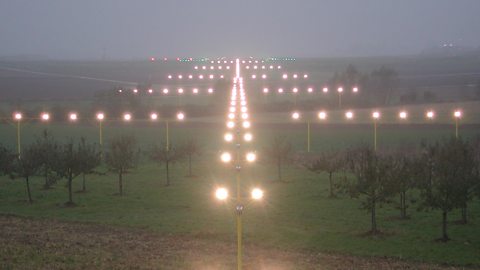
Helicopter pilots have several options for how to fly a 2D approach operation such as an LNAV, VOR or NDB. The fixed wing world have standardised on using Continuous Descent Final Approach (CDFA) as their method of choice. Is it time for the helicopter world to follow suit? Recent changes in how the approach can…
-

First Limit Indicators (FLI) or Power Situation Indicators (PSI) are displays in glass-cockpit helicopters which bring together all the engine power parameters into one simple display. These displays can dramatically lower the workload of a pilot, giving a single visual indication of the power state of the aircraft relative to its limits. FLI and PSI…
-
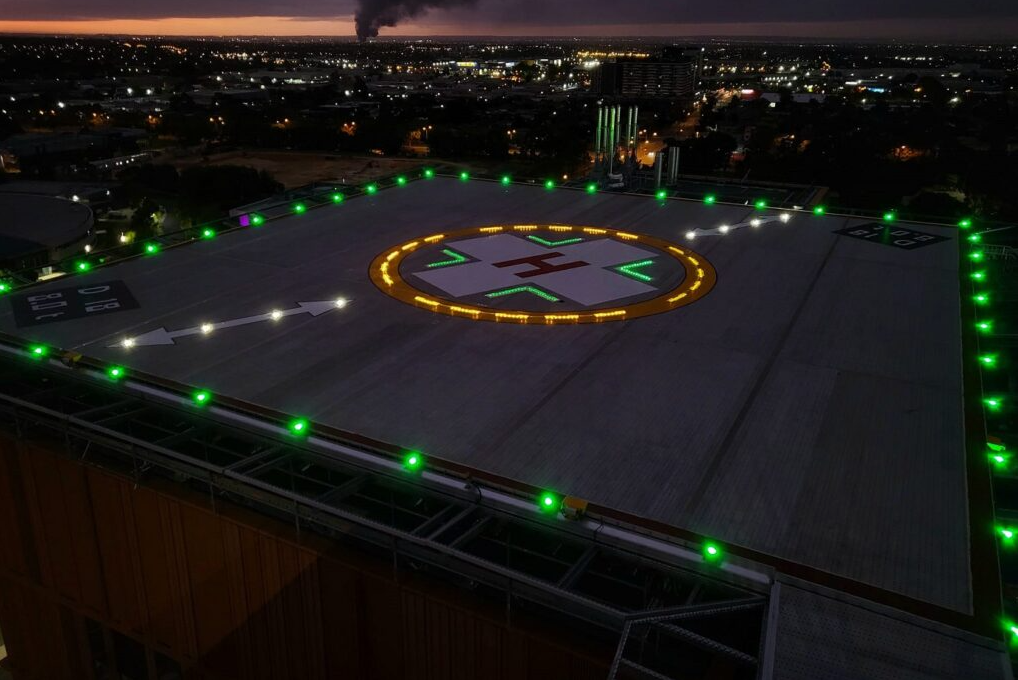
The UK CAA have developed a lighting scheme for hospital helipads in CAP 1264 which is based on the standard for offshore helicopter landing site marking. This offshore scheme is published in CAP 437 and is based on hard won lessons in safely operating helicopters to offshore helidecks (see here) and the principles outlined in…
-
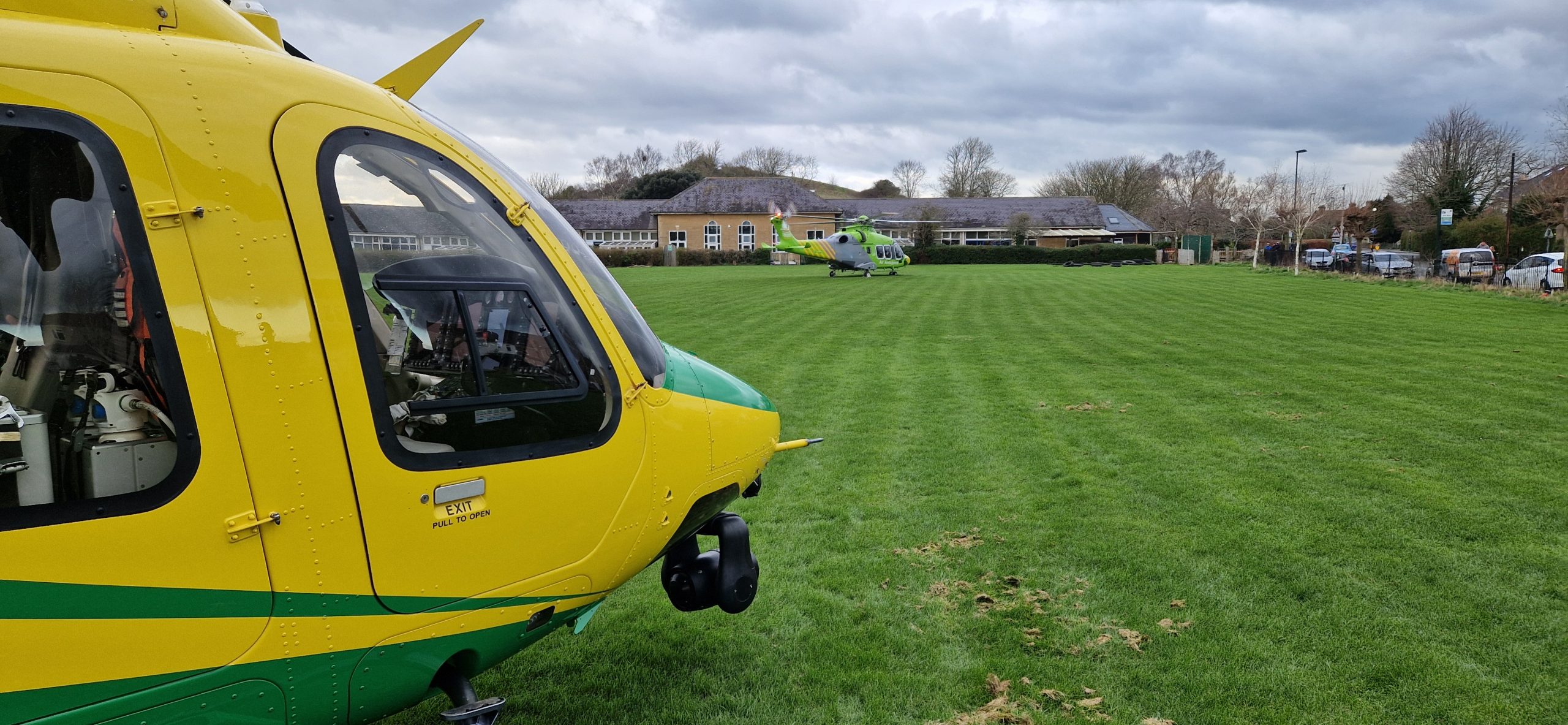
Contents The need for separation Typically, a helicopter used in the Helicopter Emergency Medical Service (HEMS) has a crew that can manage one critically ill patient at a time. Where an incident has multiple casualties needing a critical care response, multiple helicopters can be tasked to the same incident. In addition, other types of emergency…
-

This is one for the helicopter pilots and engineers in my network. I thought I knew why the tail rotor blades pitched when they flapped and what delta 3 hinges were all about on helicopters. Right up to the point I stopped to look carefully at the tail rotor on the Bell 429 I currently…
-

Designing hospital helipads so they are safe and efficient is a fine art. A growing body of guidance is provided by the aviation authorities to help with delivering effective capability from day. However, some of the guidance is currently flawed; there is an assumption that bigger helicopters are the most restrictive when actually it’s what…