
Category: Helicopter Design
-

First Limit Indicators (FLI) or Power Situation Indicators (PSI) are displays in glass-cockpit helicopters which bring together all the engine power parameters into one simple display. These displays can dramatically lower the workload of a pilot, giving a single visual indication of the power state of the aircraft relative to its limits. FLI and PSI…
-
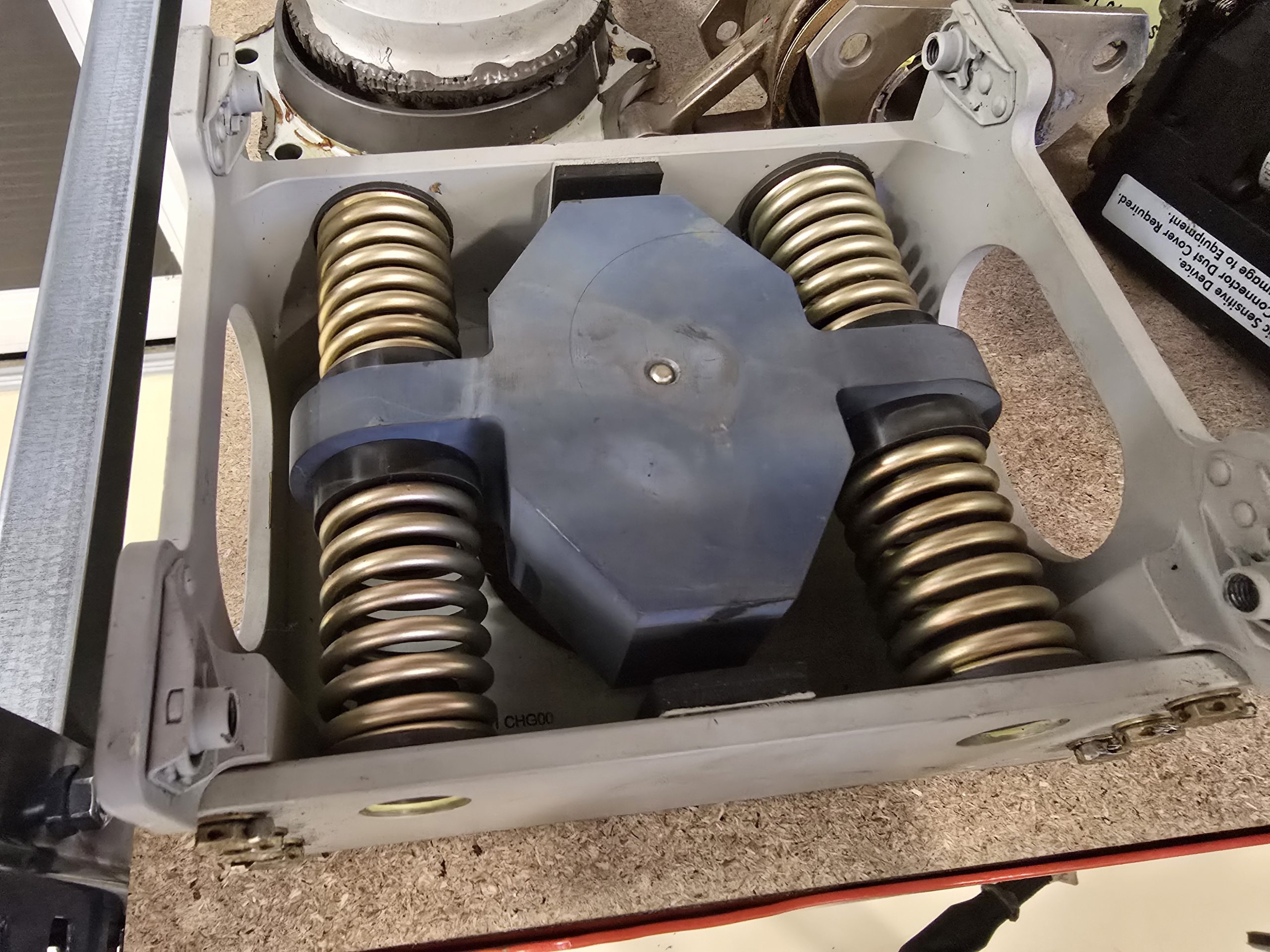
In the modern helicopter era, some helicopters have Flight Data Monitoring (FDM) and Helicopter Usage Monitoring Systems (HUMS). This means engineering teams have vast amounts of data to diagnose issues with helicopters. However, many helicopters do not have these systems. In other cases, a pilot’s experience of a fault can unlock the solution to a…
-
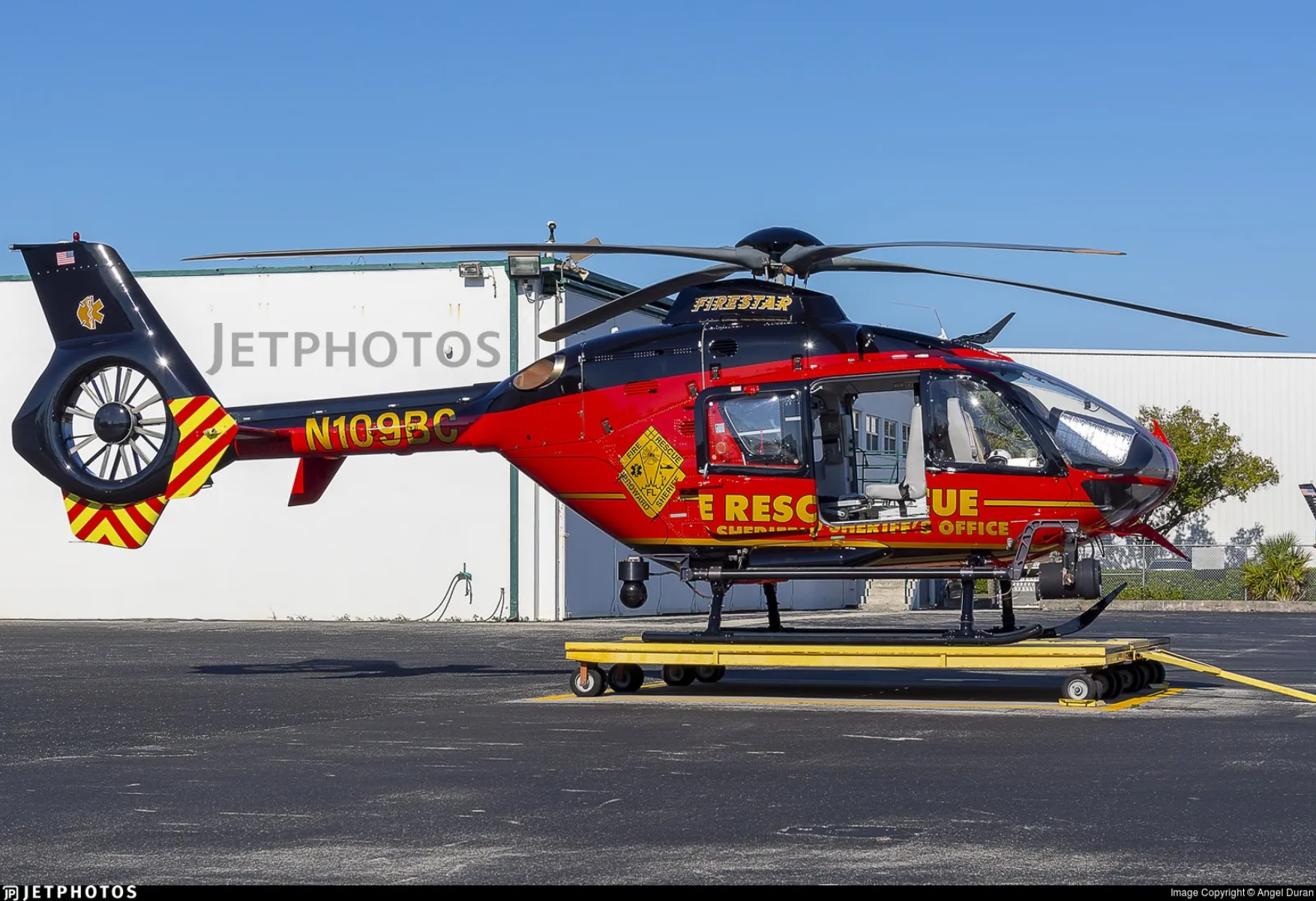
On 28 August 2023 at 0844, N109BC, an EC135 T1 helicopter, crashed in Pampano Beach, Florida killing Captain Terryson Jackson, a paramedic in the aircraft, and one person on the ground. The other paramedic and the pilot were injured and 2 other people on the ground were also injured. The accident report was released by…
-
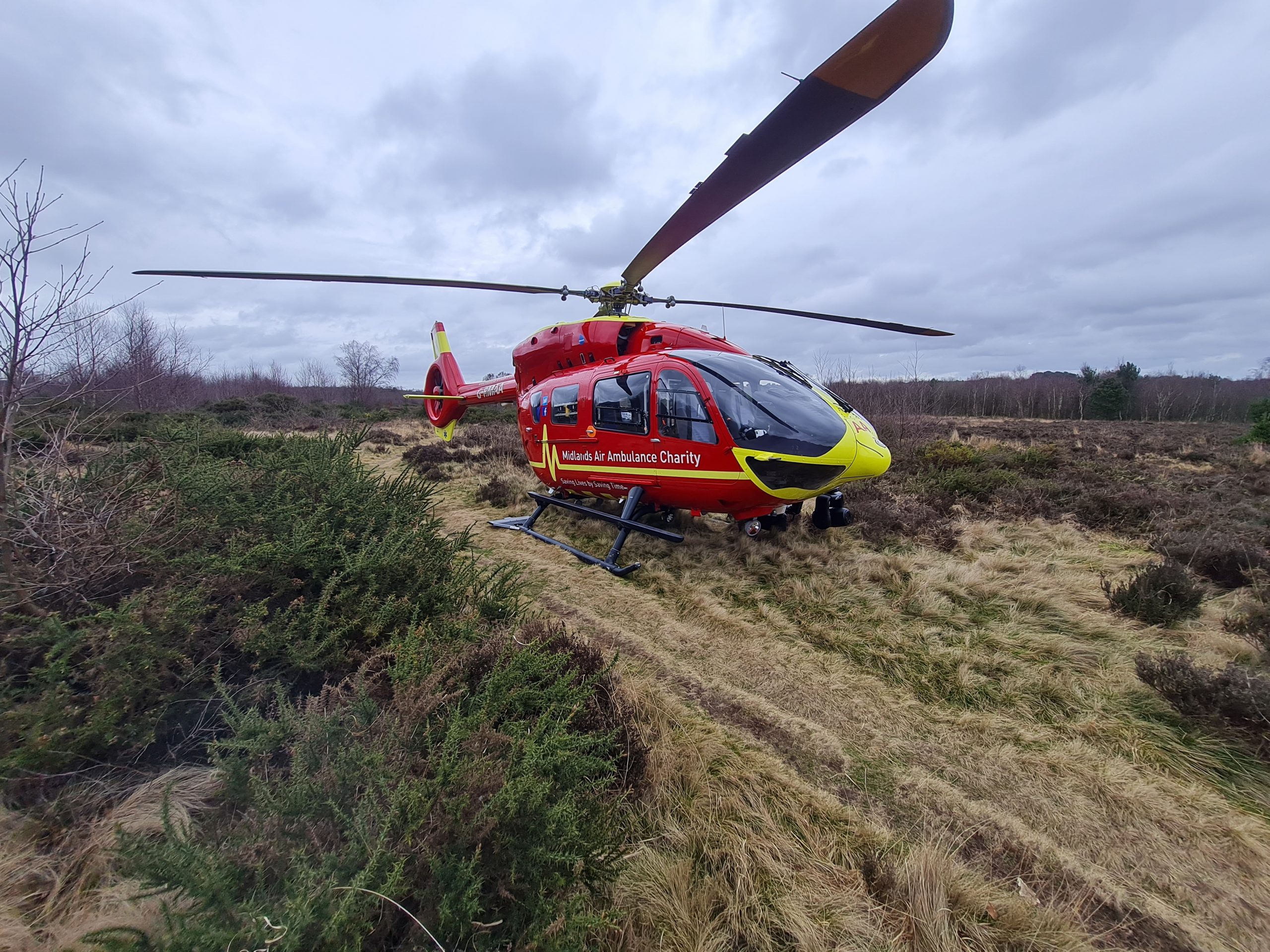
The choice of helicopter for HEMS (Helicopter Emergency Medical Service) operations is a difficult one. Whilst cost is a huge factor, there are many subtle elements which go into the selection of a helicopter. This article aims to explore those options and present what an ideal HEMS aircraft would be. In the near future, another…
-

Contents Introduction Some helicopters fly beautifully without any flight control automation or stabilisation systems. The Gazelle was one such aircraft and a reasonably competent pilot could achieve amazing accuracy in IMC with just basic instruments. However, in this modern age, automation has become the norm and in many operations, being coupled up to an autopilot…
-

This is one for the helicopter pilots and engineers in my network. I thought I knew why the tail rotor blades pitched when they flapped and what delta 3 hinges were all about on helicopters. Right up to the point I stopped to look carefully at the tail rotor on the Bell 429 I currently…
-

Introduction The EC135 SAS DCPL or SAS/AP CUT button is a red semi-guarded button on the head of the cyclic used to disengage all elements of the AFCS and stabilisation system simultaneously (both names for the button are used by Airbus in the Flight Manual and Pilot Check Lists (PCL)). The button is present on…