
Category: Aviation Technology
-
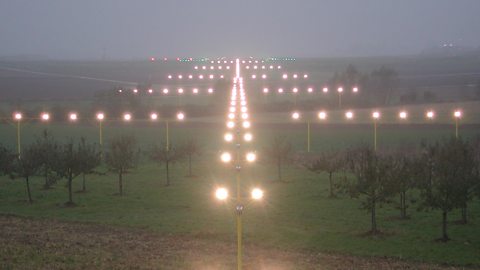
Helicopter pilots have several options for how to fly a 2D approach operation such as an LNAV, VOR or NDB. The fixed wing world have standardised on using Continuous Descent Final Approach (CDFA) as their method of choice. Is it time for the helicopter world to follow suit? Recent changes in how the approach can…
-
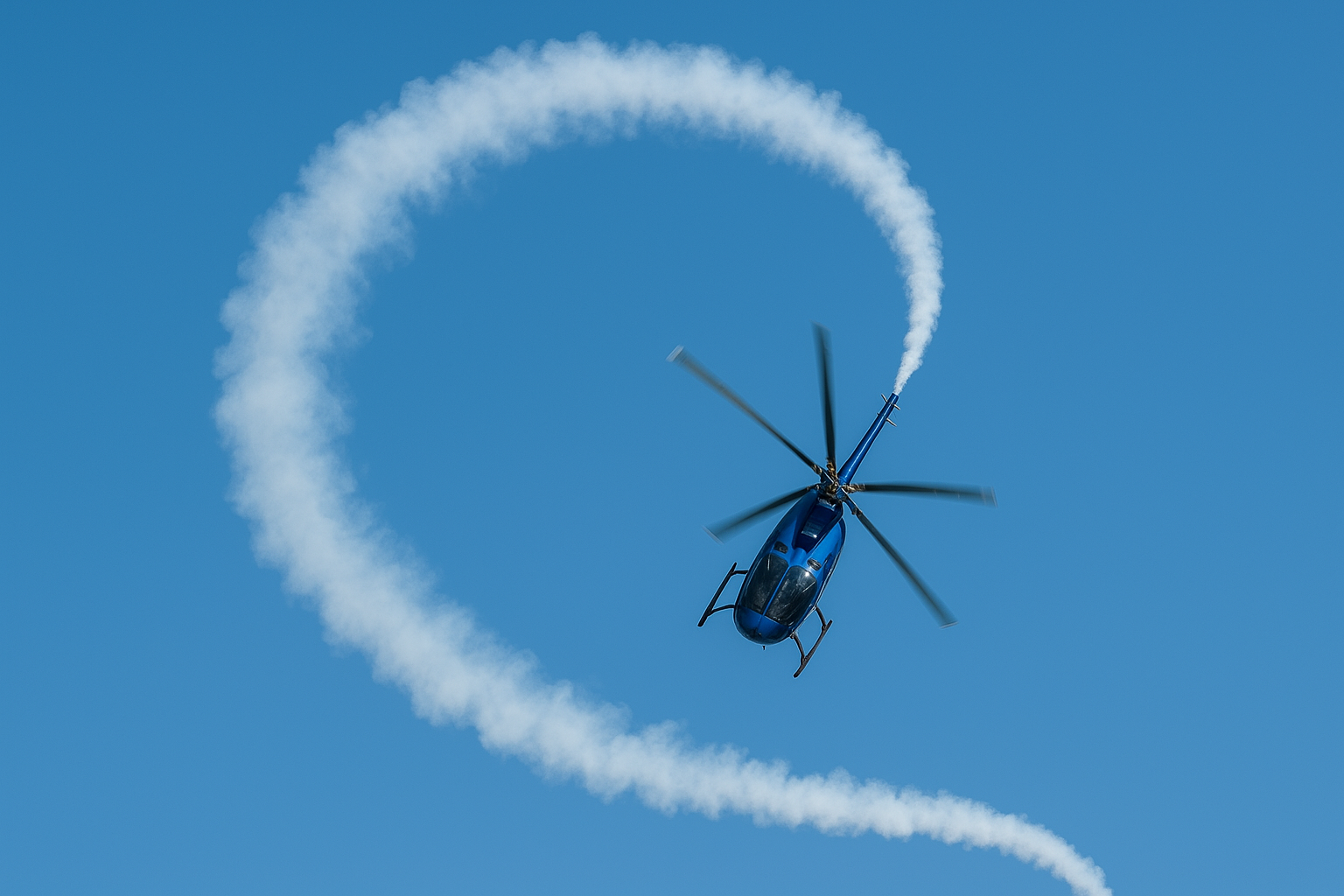
Loss of control of helicopters when in Instrument Meteorological Conditions (IMC) has sadly taken the lives of far too many helicopter crews. Whilst many of these incidents have been when non-instrument pilots inadvertently entered cloud, there are several accidents where instrument rated pilots have lost control. Training of instrument rated pilots in Unusual Attitude (UA)…
-
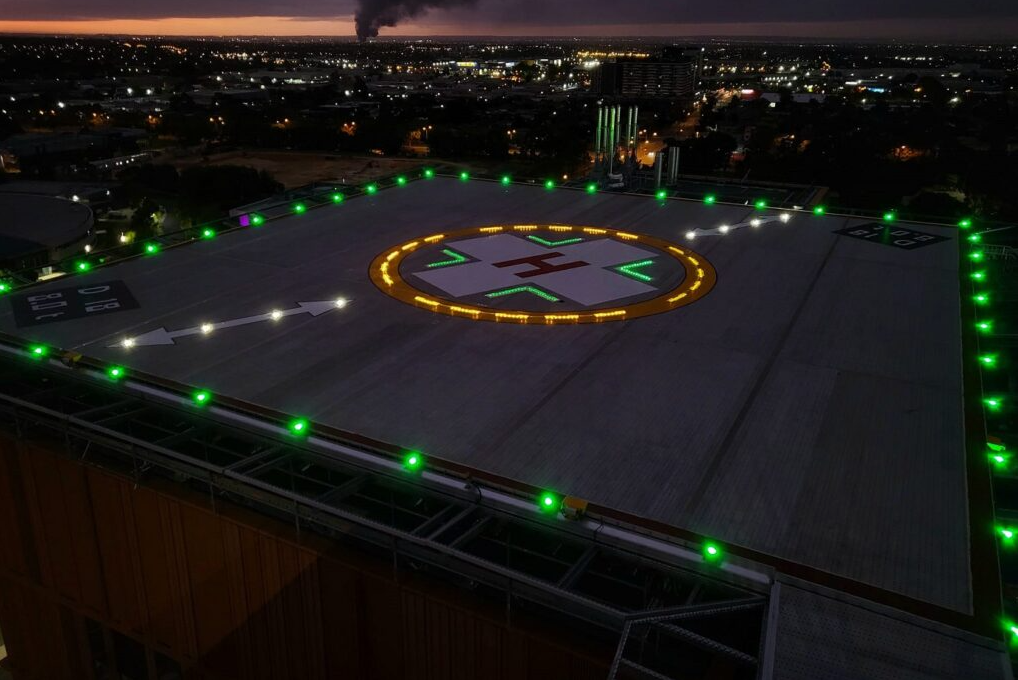
The UK CAA have developed a lighting scheme for hospital helipads in CAP 1264 which is based on the standard for offshore helicopter landing site marking. This offshore scheme is published in CAP 437 and is based on hard won lessons in safely operating helicopters to offshore helidecks (see here) and the principles outlined in…
-

Contents Introduction Some helicopters fly beautifully without any flight control automation or stabilisation systems. The Gazelle was one such aircraft and a reasonably competent pilot could achieve amazing accuracy in IMC with just basic instruments. However, in this modern age, automation has become the norm and in many operations, being coupled up to an autopilot…
-

This is one for the helicopter pilots and engineers in my network. I thought I knew why the tail rotor blades pitched when they flapped and what delta 3 hinges were all about on helicopters. Right up to the point I stopped to look carefully at the tail rotor on the Bell 429 I currently…
-

For all of my flying career I have been given a standard explanation about how an ILS works. In the military it was described in accordance with RAF Publication AP3456 and in civilian life it was described in the ATPL exams and associated training material. With some minor differences, it is described as a pair…